
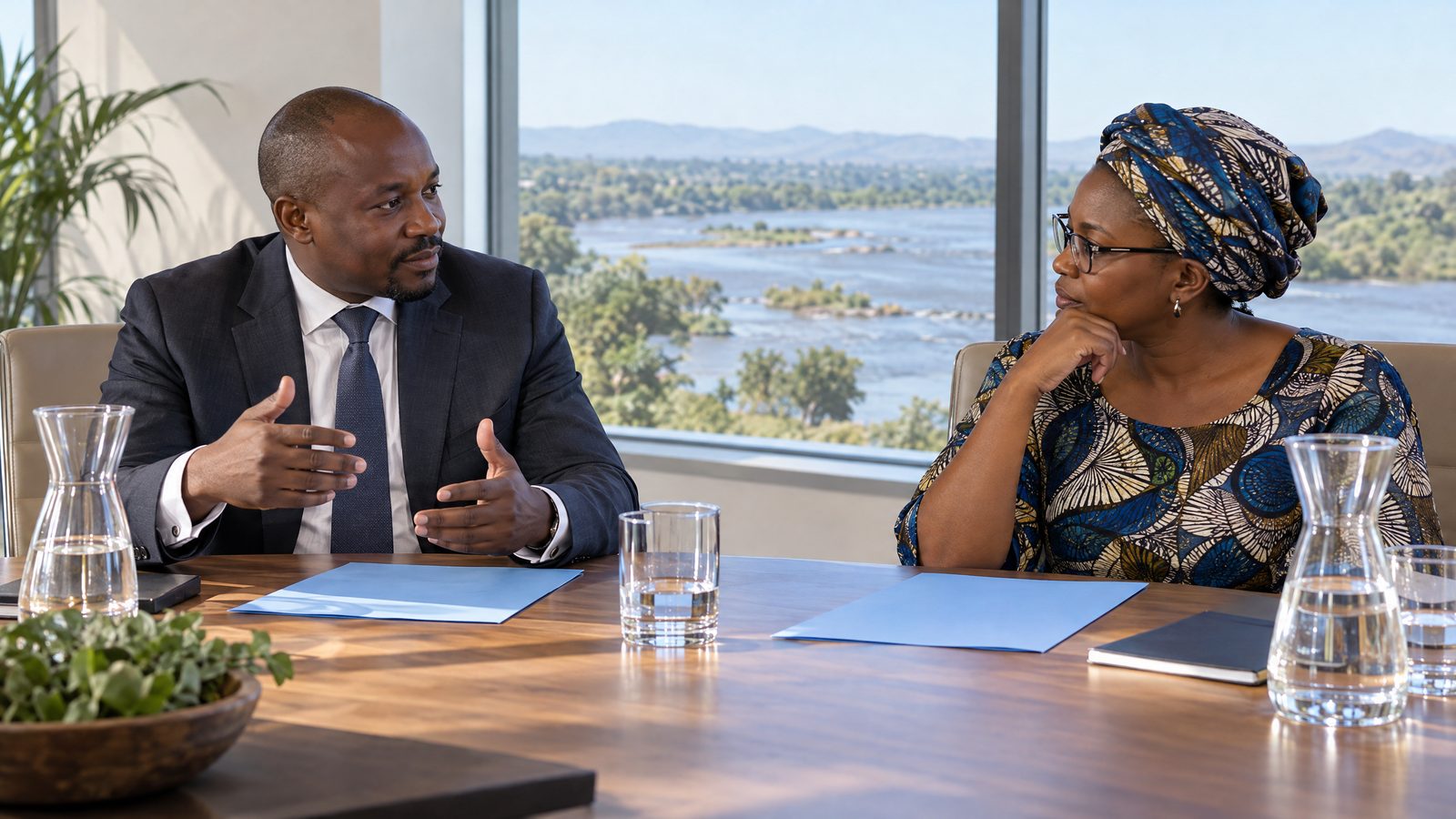

Egypt and Senegal have set out to build a shared African position on water ahead of the 2026 UN Water Conference, following talks between the two countries’ water ministers.
Hani Sewilam, Egypt’s minister of water resources and irrigation, met Cheikh Tidiane Dièye, Senegal’s minister of water and sanitation, to discuss coordination on the continent’s water priorities. The discussion centred on how African countries can carry a common set of priorities into the conference while keeping the Africa Water Vision 2063 at the heart of the approach.
The meeting was presented as a step in ongoing coordination rather than as the announcement of a new bilateral agreement. The ministers discussed supporting the vision’s implementation plan and maintaining consultation among African member states. Their aim is for that process to reflect the priorities and needs identified across the continent, while supporting water security and sustainable development.
Senegal is a co-host of the 2026 UN Water Conference and Dièye chairs the African Ministers’ Council on Water. Sewilam also leads the African Water Facility. Those roles placed the conversation within wider African preparations, rather than limiting it to the two countries’ relationship.
A central point was the prospect of a unified African position at the conference. The ministers discussed linking the conference’s outcomes to the Africa Water Vision 2063 and its implementation plan. The vision is the long-term continental framework referred to in the talks, and the discussion focused on translating it into coordinated action rather than treating it as a standalone statement of intent.
Sewilam highlighted Senegal’s presidency of the African Ministers’ Council on Water, which has helped secure consensus around the vision. He also stressed the importance of continued consultation among member states. The two ministers considered how that coordination could help African countries speak more consistently about the priorities they want reflected in international water discussions.
The talks also addressed the council’s technical role and its work with the African Union Commission and other regional institutions. Strengthening that coordination was discussed as a way to improve the delivery of water programmes and projects, and to make use of existing expertise. The ministers also considered following up the conference’s outcomes and building on them at later international gatherings.
That follow-up was part of the purpose of the exchange, alongside the immediate preparations for the conference. The ministers discussed how continued consultation could connect a common African position with the subsequent work around conference outcomes. In each case, they placed the Africa Water Vision 2063 and its implementation plan at the centre of the coordination.
The conversation took place in the context of the ninth Cairo Water Week, which runs from 25 to 29 October. The forum provides another setting for African countries to continue their exchanges before the UN conference. The ministers said that its discussions could support further coordination, alongside other international events that follow.
For Egypt and Senegal, the immediate task is to keep consultations moving and to connect the eventual conference outcomes with the continental framework already agreed by African governments. The meeting did not settle the position that African states will take. It set out an intention to continue the work needed to develop one, with implementation of the Africa Water Vision 2063 remaining the common foundation.







