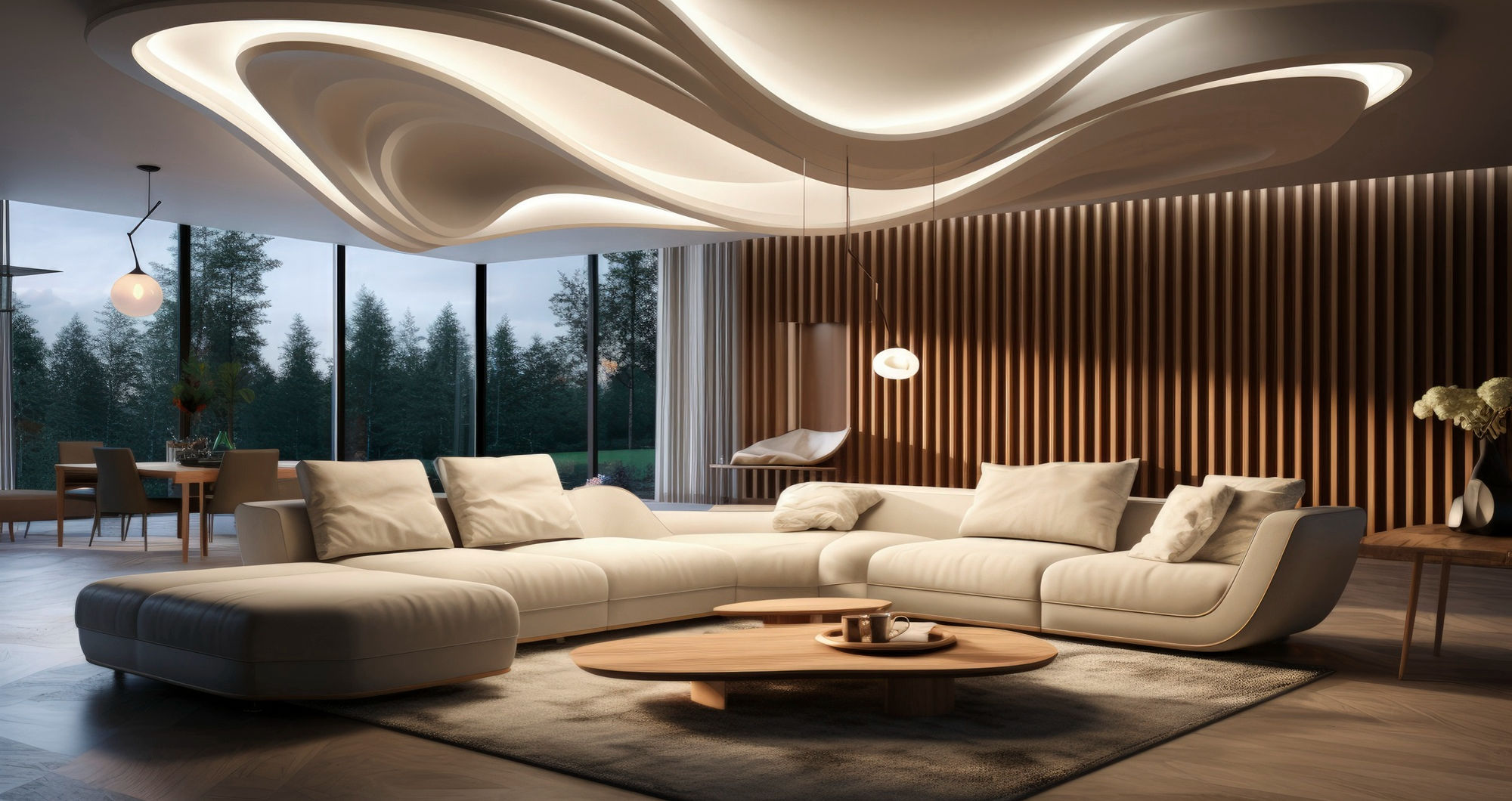

In the current era of interior design, the home has evolved into more than just a place of residence. It is now a sanctuary, a workspace, and a reflection of one’s personal philosophy regarding sustainability and quality. As we navigate 2026, the trend of “disposable decor” is rapidly losing its appeal. In its place, a more disciplined approach to home curation has emerged—one that prioritises material integrity, longevity, and the subtle elegance of rustic minimalism.
For those of us who spend our time evaluating furniture from both a structural and aesthetic perspective, the transition toward organic materials is not just a stylistic choice; it is an investment in the “forever home.” This article explores why timber remains the gold standard for creating a balanced living environment and how to identify pieces that will stand the test of time.
The Architecture of the Dining Space
The dining room often serves as the gravitational centre of a household. It is a multifunctional space where the tactile quality of the furniture directly influences the atmosphere of the room. When selecting solid wood dining chairs, the goal is to find a balance between ergonomic support and visual lightness.
A rustic-minimalist aesthetic—frequently influenced by the “Japandi” movement—favours clean lines and natural finishes. By opting for timber over synthetic alternatives, you introduce a warmth that softens the harder edges of modern architecture. High-quality chairs utilise the natural grain of the wood to provide visual texture, removing the need for excessive ornamentation. The result is a dining area that feels intentional and uncluttered, yet remains deeply inviting for long-form social interaction or focused work.
Structural Integrity vs. Surface Aesthetics
In the furniture industry, there is a significant distinction between pieces designed for visual appeal and those designed for longevity. Many mass-market options utilise veneers and composite materials to mimic the look of timber. However, from a DIY and reviewer’s standpoint, these materials lack the reparability of solid wood furniture.
Solid timber is a “living” material. It possesses a structural density that allows it to withstand the rigours of daily use, from heavy-duty workloads to the unpredictable nature of family life. Furthermore, solid wood is uniquely renewable; minor damage such as scratches or watermarks can be sanded and refinished, effectively resetting the lifespan of the piece. This durability makes it the most sustainable choice for a modern home, reducing the cycle of consumption and waste.
The Minimalist Aesthetic: Less, but Better
Minimalism in 2026 is less about starkness and more about the curation of high-value objects. A well-designed room does not require a multitude of decorative items if the furniture itself possesses sculptural value. Wooden chairs, particularly those featuring curved backrests or intricate joinery, serve as functional art.
When curating a minimalist space, the focus should be on the “visual weight” of each piece. Timber furniture in lighter shades—such as ash, white oak, or cherry—reflects natural light and helps a room feel more expansive. Conversely, darker walnuts and ebonised woods provide a grounded, sophisticated anchor for larger rooms. By choosing a singular, high-quality solid wood furniture piece as a focal point, you create a sense of harmony that is often lost in more cluttered environments.
Identifying Craftsmanship: A Professional Checklist
When evaluating furniture for potential investment, there are several indicators of quality that distinguish professional craftsmanship from factory-line production:
- The Joinery: Look for traditional woodworking techniques such as mortise-and-tenon joints. These are far more durable than mechanical fasteners or basic adhesives.
- The Finish: A professional-grade finish should enhance the natural wood grain rather than mask it. Tactile feedback is key; the wood should feel smooth and warm, not like a plastic-coated surface.
- The Grain Orientation: In premium solid wood dining chairs, the maker will often match the wood grain across different sections of the chair to ensure aesthetic continuity.
Integrating Nature into Modern Living
The move toward solid wood furniture is ultimately a move toward wellness. Biophilic design—the practice of connecting people with nature through the built environment—has been shown to reduce cortisol levels and improve cognitive function. By surrounding oneself with natural materials, the home becomes a place of restoration.
Whether you are starting with a single pair of wooden chairs to accent a quiet corner or redesigning an entire dining suite, the transition toward solid timber is a statement of intent. It is a decision to value quality over convenience and longevity over trends.
As we continue to refine our living spaces, the importance of material choice cannot be overstated. A home furnished with solid wood dining chairs and tables is a home built to age gracefully. It is a space that respects the past through craftsmanship while embracing the future through sustainable, minimalist design. In the end, the most beautiful homes are not those filled with things, but those filled with pieces that matter.
Feature Image by freepik