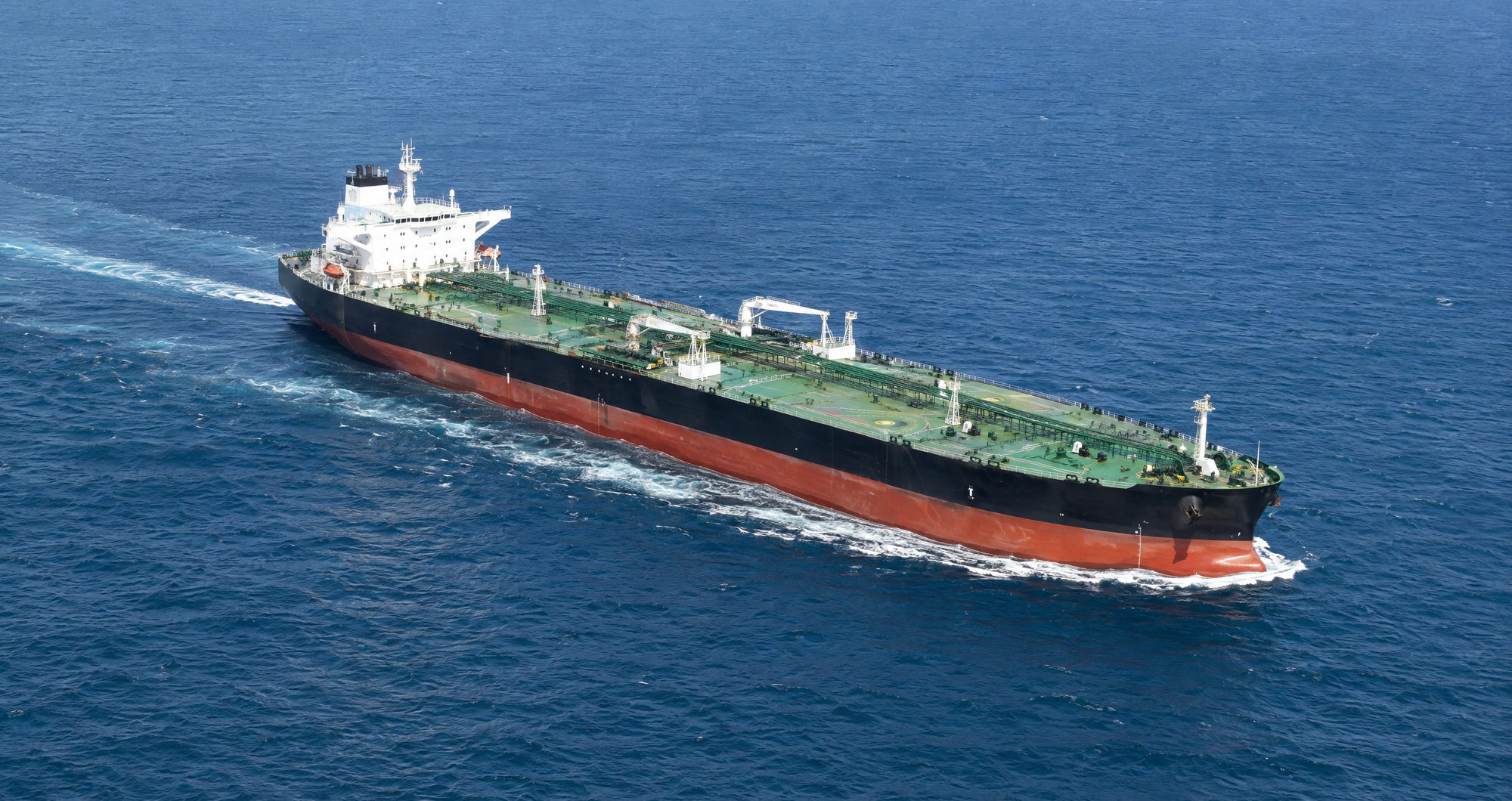

European Union naval personnel boarded a tanker in the Mediterranean on 13 November after it was suspected of being part of Russia’s so-called shadow fleet, the EU’s foreign policy chief Kaja Kallas has said.
Kallas said members of Operation Irini boarded the MV Midag and that the inspection confirmed the vessel was sailing under a false flag. She announced the boarding on 15 November and said it had been conducted under Article 110 of the United Nations Convention on the Law of the Sea.
Kallas described the vessel’s alleged connection to the shadow fleet as a suspicion. Kallas’s statement did not identify the flag the ship was said to have displayed, explain the evidence behind the flag finding or say that a court had reached a decision. It did not say whether the ship was detained or seized.
Her account also did not specify the tanker’s cargo, destination or the precise location of the boarding. An inspection and a claim about a flag are not, by themselves, proof that a particular cargo breached sanctions.
Why the flag matters
A ship’s flag indicates the state under whose registration it sails. Questions about the right to fly a flag can affect which authorities have responsibility for a vessel and how its documentation can be checked at sea.
Article 110 addresses a warship’s right of visit when it encounters a foreign ship on the high seas. It lists specific grounds for suspicion, including that the ship is without nationality. It allows a check of the vessel’s right to fly its flag and, if suspicion remains after documents are examined, a further examination on board.
The provision is not a general permission to board any vessel simply because it is suspected of carrying Russian oil. It also provides for compensation in certain circumstances if suspicions prove unfounded. Kallas cited the article for the Midag boarding, but her public account did not set out the precise grounds relied upon or enough location detail to assess independently how the legal conditions applied in this case.
The EU describes the shadow fleet as a network used to move Russian oil while evading restrictions. European officials have also raised concerns about the safety and environmental risks posed by some vessels and about complex ownership and flag arrangements. Those wider concerns do not establish that every tanker under scrutiny has the same characteristics.
Russia has disputed the EU’s approach. In June, foreign ministry spokeswoman Maria Zakharova called the term shadow fleet a political fabrication and said EU inspections or seizures of vessels carrying oil products would violate international law. Her remarks concerned the wider policy; they were not a response to the Midag boarding.
A wider Mediterranean mission
Operation Irini began in 2020 with a focus on helping to implement the UN arms embargo on Libya. Its work has also included gathering information on illicit oil exports from Libya, monitoring human-smuggling networks and supporting maritime training.
In October, EU governments extended the mission until 31 March 2029 and broadened its responsibilities. These include contributing to efforts to constrain Russia’s shadow fleet, improving maritime awareness and supporting the protection of critical maritime infrastructure.
The mission says the Mediterranean is an important transit and transfer area for Russian oil exports. It says flag-verification boardings may contribute to its work where applicable and in accordance with the law of the sea.
Irini personnel have carried out other flag checks involving different vessels. On 20 July, they boarded the oil tanker South Star for verification after it was suspected of flying a false flag. In August, the mission inspected another tanker, the Toa Payoh, near the Sicilian island of Pantelleria. Neither earlier operation should be confused with the Midag boarding.
Sanctions
The EU has also used sanctions to restrict vessels it says support Russia’s oil trade. In July it added 41 vessels to a list that already contained 632, as part of a wider package addressing energy and financial networks.
Measures affecting listed shadow-fleet vessels include restrictions on access to EU ports and maritime transport services. Listing a vessel and boarding one to verify its flag are different actions, governed by different rules. Kallas’s statement did not say that the Midag had been added to an EU sanctions list.