

The government has introduced the European Partnership Bill in the House of Commons, seeking powers to implement agreements intended to ease food trade with the European Union and link the two sides’ carbon markets.
The legislation was introduced on Thursday 26 November and is sponsored by the Cabinet Office, with Minister for European Relations Hamish Falconer leading the measures. It marks a parliamentary step towards implementing agreements reached at this month’s UK-EU summit.
The bill would provide the legal framework for a Sanitary and Phytosanitary agreement, covering food, animal and plant health rules, and an Emissions Trading System linking agreement. The two arrangements are intended to take effect in 2028, rather than bringing immediate changes for businesses.
Proposed changes for food traders
The government says a common UK-EU food safety area would remove administrative barriers affecting trade between Great Britain and the EU, while also easing movements between Great Britain and Northern Ireland.
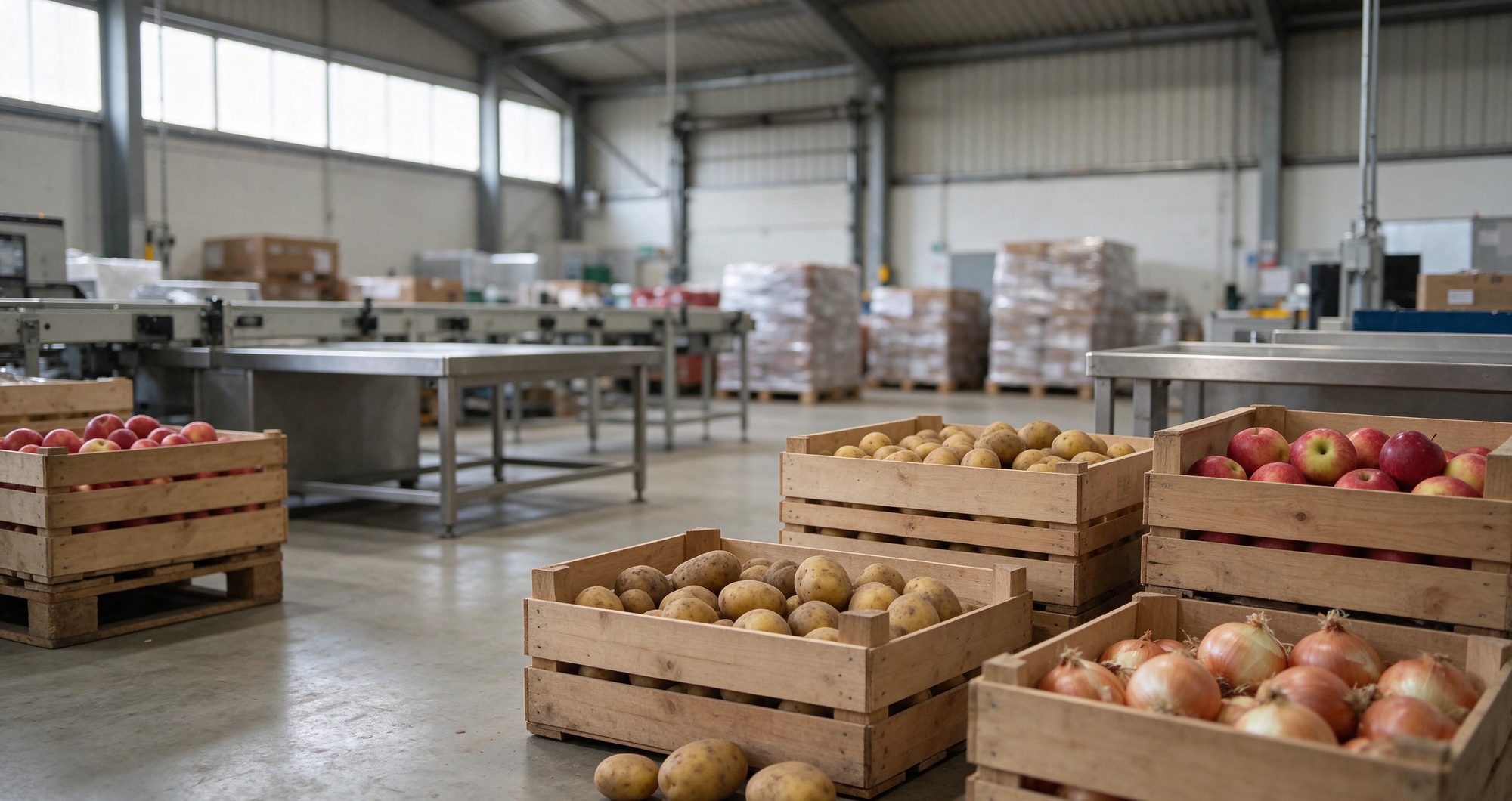
Among the proposed changes are the removal of export health certificates costing up to £200 each and the elimination of “Not for EU” retail labels on the vast majority of products. Ministers also say European markets would reopen to products including fresh sausages and seed potatoes.
Europe buys 58% of British food and drink exports, according to the government. Its impact assessment estimates that the food agreement could increase the volume of exports of major primary agricultural commodities to the EU by around 16%.
That figure is a forecast, not an increase already achieved. The assessment describes its estimates as preliminary and says the legislation’s effects would materialise through subsequent measures implementing the agreements.
Falconer said the bill would enable the government to reduce paperwork for food traders and protect British exports from carbon charges. Ministers argue that lower trading costs could also help ease upward pressure on food prices, although this is not a promise of an immediate reduction in household bills.
Carbon markets and rule alignment
The emissions agreement would link the UK and EU trading systems. The government says this would create conditions for exemptions from their respective carbon border charging mechanisms, covering approximately £6.5 billion of British exports, including steel and aluminium.
The £6.5 billion figure represents the value of exports potentially covered by an exemption, not the amount businesses would save in tax. The government also expects a larger linked carbon market to support investment and reduce costs over the longer term.
Both agreements involve targeted alignment with EU rules. The Cabinet Office’s explainer describes this as applying and interpreting the same rules at the same time on an ongoing basis in the sectors covered.
The government says Britain has secured early consultation and decision-shaping rights over relevant new rules, including participation by UK experts. Those arrangements do not give the UK a final vote on EU legislation.
The impact assessment also acknowledges that food and farming businesses may face costs in adapting. These could include learning new requirements, one-off transition expenses and potentially higher ongoing costs where aligned rules impose a greater regulatory burden.
A framework for further agreements
The bill is designed to do more than implement the two current agreements. It would allow further arrangements to be designated as partnership treaties following parliamentary scrutiny, providing powers to implement them through secondary legislation.
According to the official explainer, the framework excludes free movement of people and rejoining the single market or customs union. The separate Youth Experience Scheme would be implemented using existing legal powers, rather than powers in this bill.
The legislation would also give devolved governments powers to make implementing measures within their responsibilities. The Cabinet Office says it has worked with the devolved administrations on the bill and will continue engagement during implementation.







