

Humanitarian officials have reported seven children killed and at least 33 seriously injured in Gaza during the two weeks to 16 October, as families approach a fourth winter in damaged shelters and displacement sites. The figures cover reported deaths and serious injuries in air strikes, drone strikes and gunfire; they are not presented as a complete accounting of all harm.
A briefing delivered in Geneva on 16 October described the gap between the ceasefire and daily life for children. More than 340 children have been reported killed and hundreds injured in the period since the ceasefire was announced a little over a year ago. Two boys also died during the latest two-week period from injuries sustained earlier.
The update brought together fresh casualty figures with a wider account of displacement, education, water and sanitation needs. It described an estimated 800,000 children as still displaced, most living in tents or unsafe buildings damaged by bombardment. An estimated 60,000 children have lost one or both parents during the war or since the ceasefire. Nearly every child is assessed as needing some form of mental-health support to recover.
Winter pressures and damaged sanitation
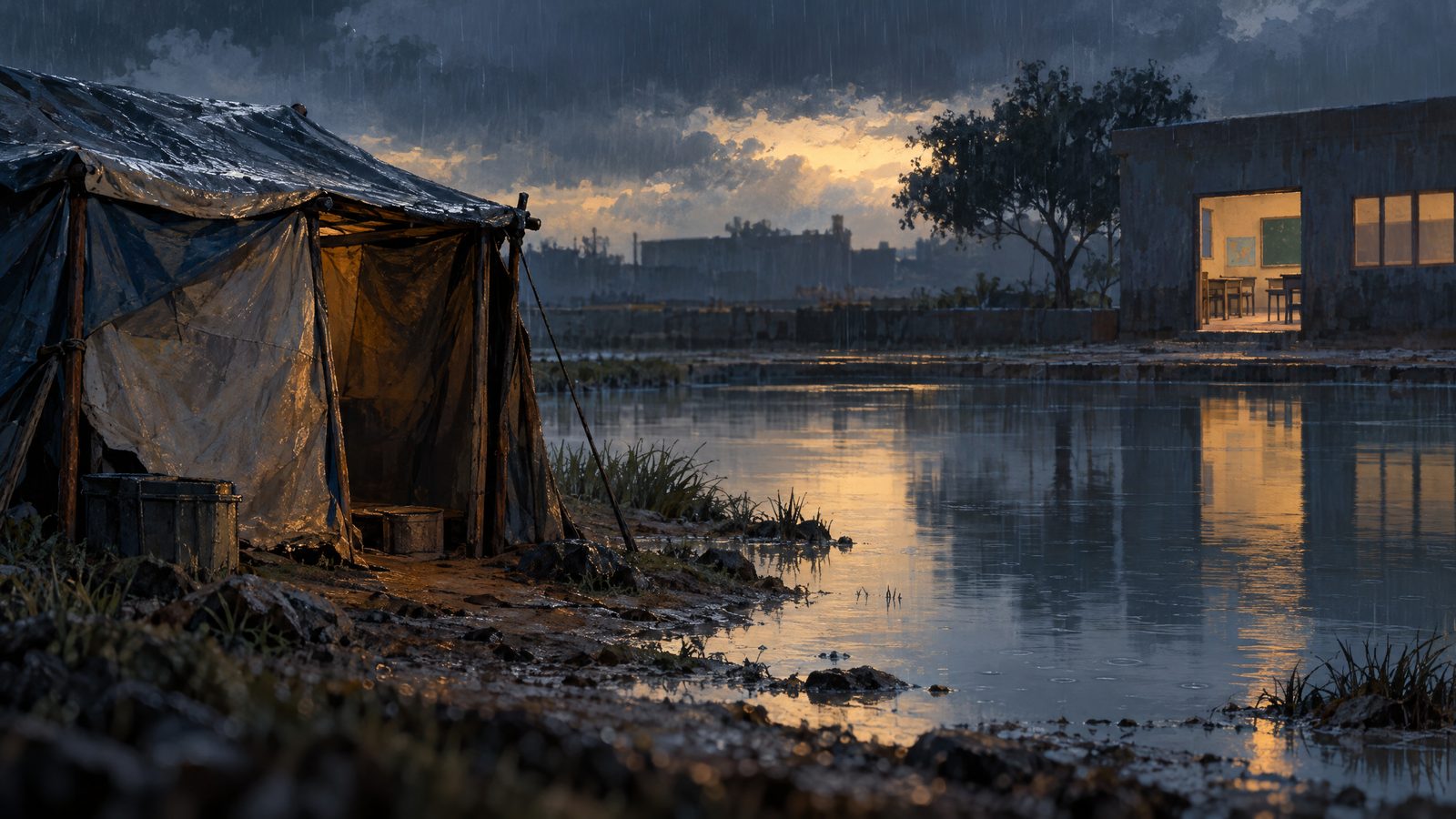
As colder and wetter weather approaches, damaged tents, poor sanitation and overcrowded sites are adding to families’ concerns. Six wastewater treatment plants remain out of service. Raw sewage is being pumped into the sea, while pools of wastewater remain in residential areas.
One particular concern is the Sheikh Radwan stormwater basin, which was described as half full. If winter rain raises the water level before it can be drained, contaminated water could overflow into nearby residential areas. The warning is conditional, but the potential consequences for children and families were described as life-threatening. Children have drowned in sewage-contaminated water in the past.
The basin could be drained within two weeks, but the equipment needed for the work had not yet been allowed into Gaza as of the briefing. More broadly, spare parts, generators and engine oil are needed to keep services that are still operating from failing. These are reported access constraints, not confirmation that the basin will overflow or that every service will stop.
Food security has improved and more humanitarian assistance and commercial supplies have entered since the ceasefire, but that has not restored ordinary living conditions. The briefing described the effects of war as extending into where children sleep, what they eat, whether they can learn and whether they feel safe enough to play.
Learning and essential support
More than 560,000 children have returned to learning since the ceasefire, including at more than 200 supported learning centres. Digital cash assistance has reached over 380,000 people, and safe water is being supplied to 1.2 million. These reported service figures show work under way, but they do not mean that schools, water systems or other public services have returned to normal.
The update also described the heavy responsibilities placed on children in households affected by death and disability. One 16-year-old was caring for her one-year-old sister after their mother died the day after giving birth; the girl’s father lives with a disability. Her three other siblings attend a learning centre, and she helps them study after class. The account illustrates a specific family’s circumstances and should not be taken as representative of every household.
The latest figures are reported counts and estimates, and they do not establish responsibility for individual deaths or injuries. The briefing called for the ceasefire’s terms to be upheld and for essential materials and equipment to enter so infrastructure and services can be repaired. It also emphasised the need for predictable, sustained funding. For children, recovery was framed not only as survival, but as being able to return to school, receive healthcare, live in decent shelter and play safely.







