
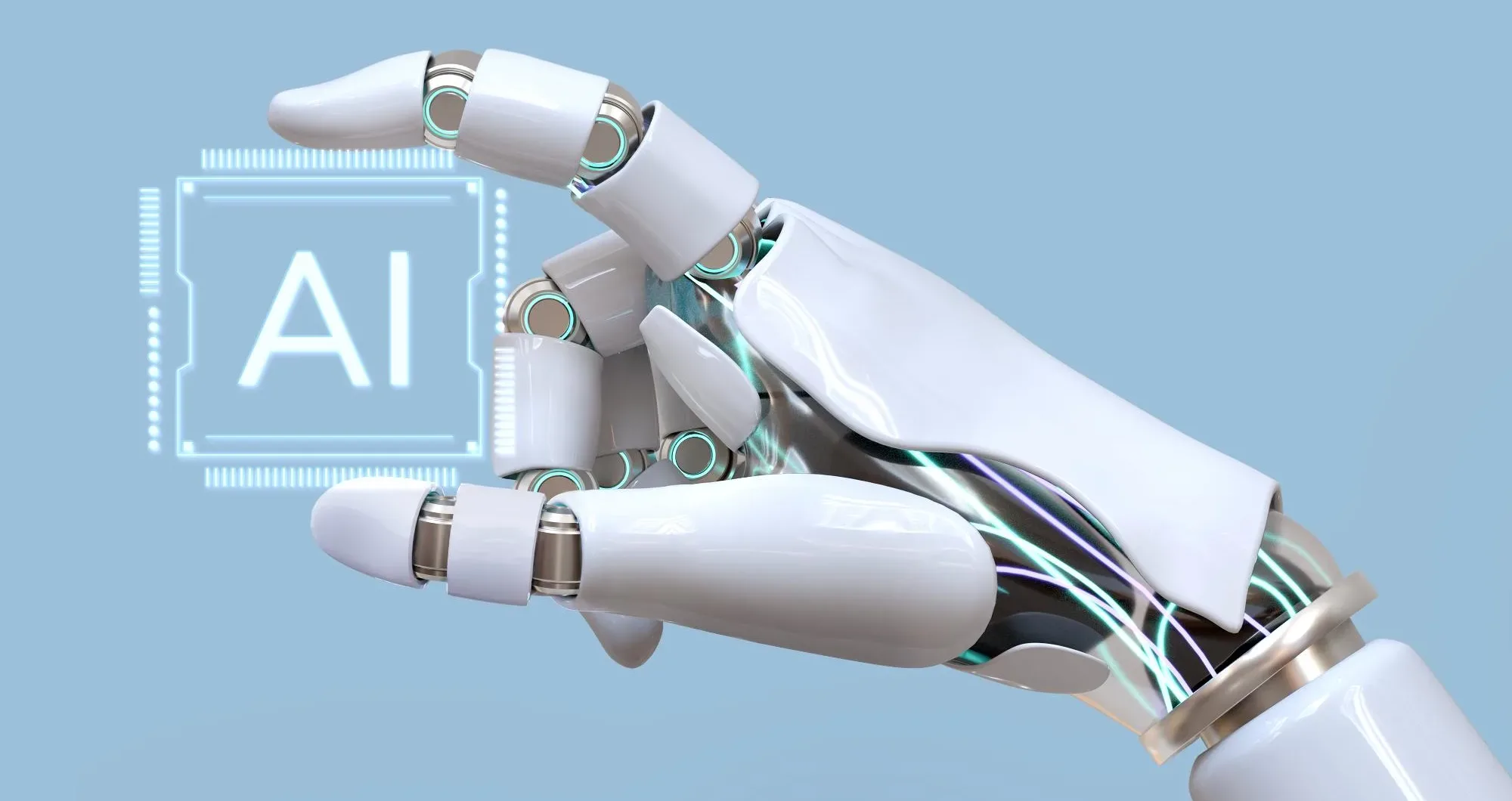

In 2025, Generative AI is transforming the business landscape. Generative AI algorithms don’t just analyse data but create new content or predictions based on it. Whether it’s generating text, designing images, or making forecasts, businesses are increasingly adopting Generative AI Integration Services to embed these advanced capabilities into their operations.
This integration is driving efficiency, fostering innovation, and enabling highly personalised customer experiences across industries.
What is Generative AI Integration?
Generative AI Integration Services help businesses incorporate Generative AI technologies into their existing processes, applications, and platforms. This integration allows companies to unlock the full potential of AI, driving innovation and competitive advantage.
Key Benefits of Generative AI Integration for Businesses
1. Enhanced Decision-Making with Data-Driven Insights
One of the most powerful features of Generative AI is its ability to extract actionable insights from large datasets. These insights enable businesses to make data-driven decisions across various areas:
- Marketing campaigns
- Sales forecasting
- Product development strategies
By leveraging Generative AI, businesses can make decisions based on predictions about future trends, customer behaviour, and market shifts, helping them stay ahead of competitors.
2. Streamlined Operations through Automation
Automation powered by Generative AI is transforming business operations. Tasks that traditionally required significant human input can now be automated, such as:
- Document generation (contracts, reports, etc.)
- Customer service (using AI-powered chatbots)
- Data analysis and reporting
These improvements lead to cost reduction and increase productivity, enabling employees to focus on more strategic initiatives.
3. Personalized Customer Experiences at Scale
In a crowded market, personalisation is key to gaining customer loyalty. Generative AI enables businesses to deliver personalised experiences by analysing vast amounts of customer data. Benefits include:
- Dynamic product recommendations
- Tailored marketing content
- Custom email campaigns based on individual preferences
By offering highly personalised interactions, businesses can increase engagement and conversion rates.
4. Accelerated Product Development and Innovation
AI-driven innovations are transforming industries by accelerating product development. Generative AI helps businesses rapidly prototype, design new solutions, and identify emerging market trends. Through the analysis of vast amounts of data, businesses can innovate faster than ever before.
Example Use Cases:
- Designing new product features based on customer feedback
- Predicting trends and unmet market needs
- Reducing time-to-market for new productsTop Use Cases of Generative AI Integration
1. AI-Powered Content Generation for Marketing
Businesses can use Generative AI to create high-quality, SEO-optimised content. AI tools like GPT-3 can generate blog posts, social media content, and even ad copy tailored to specific audiences. This not only saves time but ensures consistency and efficiency in content production.
2. Predictive Analytics for Data-Driven Insights
Generative AI is excellent for predictive analytics. By analysing data from a wide variety of sources, AI can forecast customer behaviour, market conditions, and potential business risks. For example:
- Predicting customer churn
- Identifying cross-sell opportunities
- Forecasting sales growth
This empowers businesses to make informed decisions that drive growth and reduce risks.
3. Enhancing Customer Support through AI Chatbots
AI-driven chatbots can handle customer queries in real-time, providing accurate responses and learning from each interaction. This reduces response time, enhances customer satisfaction, and frees up human agents to tackle more complex issues.
4. AI in Healthcare for Optimised Treatment Plans
Generative AI is becoming a valuable tool in healthcare, helping doctors create personalised treatment plans for patients. By analysing historical patient data, Generative AI can recommend the best course of treatment, ensuring patients receive the most effective care possible.
Challenges in Integrating Generative AI
1. Data Privacy and Compliance Risks
Generative AI relies heavily on large datasets, including personal and sensitive information. Compliance with data privacy regulations such as GDPR, HIPAA, and CCPA is crucial when implementing AI systems. Companies need to ensure that they handle data responsibly, protecting consumer privacy.
2. Legacy Systems and Integration Complexity
Many businesses still rely on legacy systems that may not support AI integration. Overcoming these technical barriers requires careful planning and may involve significant upgrades to existing infrastructure. However, the benefits of integrating Generative AI far outweigh these challenges, especially when done with the right strategy.
3. Ethical Considerations and Bias in AI
As businesses integrate AI, it’s essential to address the ethical implications of its use. Generative AI models can unintentionally perpetuate biases present in training data, leading to unfair outcomes. Businesses must take steps to ensure transparency, fairness, and ethical AI practices.
Best Practices for Successful Generative AI Integration
1. Develop a Clear AI Strategy
For a successful AI integration, companies need a clear strategy. This includes setting measurable goals, defining KPIs, and aligning AI integration with the broader business objectives. A well-planned approach ensures that Generative AI will deliver maximum value.
2. Partner with Experienced AI Service Providers
Working with a specialised Generative AI development company can help businesses navigate the complexities of AI integration. These partners have the necessary expertise to develop custom solutions and integrate them seamlessly with existing systems.
3. Focus on Ethical and Transparent AI Use
As AI becomes more ingrained in business processes, ensuring ethical use is paramount. Businesses should implement frameworks to monitor AI systems for fairness, transparency, and accountability.
Generative AI Integration Trends in 2025
1. Autonomous AI Systems
In 2025, we will see more autonomous AI systems that require minimal human oversight. These systems will continuously adapt to new data and make real-time decisions based on evolving conditions. This will lead to faster decision-making and a more agile business environment.
2. Human-AI Collaboration
Rather than replacing human workers, Generative AI will augment human capabilities. The future of AI lies in human-AI collaboration, where AI handles repetitive tasks, and humans focus on more complex, creative, and high-level decision-making.
3. Edge AI for Real-Time Data Processing
With the rise of edge computing, Generative AI will move closer to the data source. This will enable real-time decision-making without the latency associated with cloud-based processing. Applications in industries like manufacturing, retail, and healthcare will benefit greatly from edge AI solutions.
Conclusion: Embracing the Future of Business with Generative AI
As we move further into 2025, Generative AI Integration Services will continue to drive transformation across industries. From improving decision-making and automation to delivering personalised customer experiences, AI integration is the key to staying competitive in an increasingly digital world. However, successful integration requires careful planning, an understanding of potential challenges, and a commitment to ethical AI practices.
Businesses that embrace Generative AI today will position themselves for long-term success, leveraging the power of data and AI to innovate and grow in the future.
FAQs
1. How can businesses benefit from Generative AI?
Businesses benefit by gaining deeper insights from data, automating repetitive tasks, personalising customer experiences, and accelerating product development. AI-driven processes improve efficiency, cut costs, and enhance innovation.
2. Is Generative AI expensive to integrate?
While initial costs can be high due to system upgrades and AI development, the long-term benefits such as reduced operational costs, increased productivity, and enhanced customer satisfaction make it a worthwhile investment.
3. How does Generative AI improve customer support?
Generative AI enables businesses to deploy advanced chatbots that provide instant, accurate responses to customer inquiries, improving response time and customer satisfaction. This also frees up human agents to focus on more complex issues.
4. What industries are most impacted by Generative AI?
Industries like healthcare, finance, retail, marketing, and manufacturing are heavily influenced by Generative AI due to its ability to optimise operations, improve customer engagement, and streamline decision-making.
5. How do businesses ensure ethical AI practices?
Businesses can ensure ethical AI practices by establishing frameworks to monitor AI systems, conducting regular audits, and addressing potential biases in AI algorithms. Transparency and fairness must be prioritised during AI integration.







