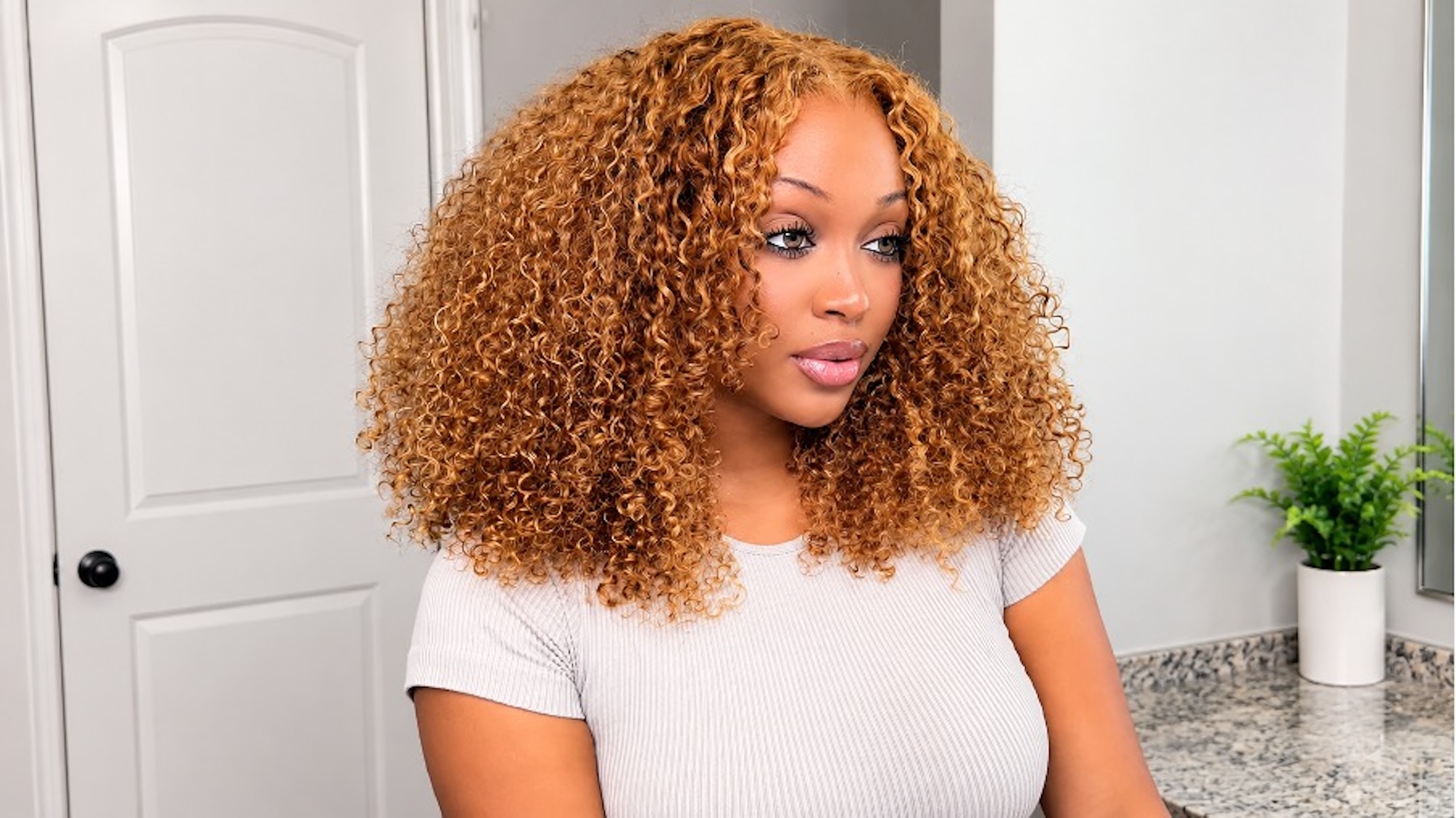

A hairstyle can influence how people express their personality and approach their everyday appearance. However, maintaining a particular look every day can require considerable time and effort. For those who enjoy experimenting with different hairstyles, wigs offer a convenient way to change their appearance without making permanent alterations to their natural hair.
Glueless wigs have become an increasingly popular option because they are designed to stay in place without requiring traditional wig adhesives. They are available in various textures, lengths, and cap constructions, making them suitable for different styling preferences and levels of experience.
Understanding how glueless wigs work, what to consider before purchasing one, and how to maintain them can help you make a more informed decision.
What Are Glueless Wigs and How Do They Work?
Traditional wig installation often involves adhesive products, careful application, and preparation around the hairline. The glueless wigs provide an alternative by incorporating adjustable features that help secure the wig without conventional glue.
Depending on the construction, these wigs may include:
- Adjustable elastic bands: Help customise the fit and keep the wig securely positioned.
- Internal combs: Provide additional support by attaching to the wearer’s natural hair.
- Adjustable straps: Allow the cap to accommodate different head sizes.
- Lace front construction: Creates the appearance of a more natural hairline when positioned and styled correctly.
These features can make glueless wigs particularly convenient for beginners and people who prefer a simpler installation routine.
However, a glueless design does not guarantee a perfect fit for everyone. Measuring your head correctly and adjusting the internal components are important steps in achieving comfort and stability.
Understanding Different Wig Textures
One of the most important considerations when selecting a wig is its texture. Different patterns create different appearances and may require different levels of maintenance.
Kinky Curly Hair
Kinky curly textures feature tight, defined curls that create noticeable volume and dimension. They can provide a natural-looking appearance for individuals who enjoy fuller hairstyles.
Regular detangling and appropriate moisturising products help maintain curl definition and reduce tangling.
Water Wave Hair
Water wave textures feature loose, flowing waves that create a relaxed appearance. They can be suitable for everyday styling as well as casual occasions.
Using a lightweight leave-in product can help maintain the wave pattern without making the hair feel heavy.
Kinky Straight Hair
Kinky straight wigs combine a straight appearance with subtle texture. Unlike extremely sleek styles, they offer a slightly fuller finish that can complement different personal preferences.
They are worth considering for people who prefer relatively simple hairstyles with natural-looking volume.
Deep Wave Hair
Deep wave wigs feature more defined and structured waves. Their pattern creates movement while maintaining a consistent appearance.
Gentle handling and suitable conditioning products can help preserve the wave pattern between washes.
Body Wave Hair
Body wave textures feature softer curves and subtle movement. They offer a versatile appearance that can be worn with different partings and styling accessories.
Before choosing a texture, consider your preferred level of volume, the amount of time you can dedicate to maintenance, and whether you want a style for everyday use or occasional wear.
Half Wigs: An Alternative to Full Coverage
Not everyone wants a hairstyle that completely covers their natural hair. A half wig provides another option by covering only a section of the head while leaving some natural hair visible.
The additional hair can blend with the wearer’s own strands to create more length or volume without concealing the entire hairstyle.
For example, someone with naturally textured hair may use a compatible half wig to achieve a fuller appearance while allowing their natural hairline or front section to remain visible.
Depending on the construction, half wigs can also be arranged into different hairstyles, including half-up looks and headband-inspired styles.
When selecting one, pay particular attention to two factors:
- Texture compatibility: The wig’s texture should blend naturally with your existing hair.
- Color matching: Differences in shade can make the transition between natural and added hair more noticeable.
Half wigs serve a different purpose from full glueless wigs. The right choice depends on how much natural hair you want to leave exposed and the overall appearance you want to achieve.
How to Style Glueless Wigs for Different Occasions
A wig does not need to look the same every time you wear it. Simple adjustments to the parting, accessories, and overall volume can create different appearances.
Here are a few practical styling ideas:
- Everyday appearance: Soft waves or natural-looking curls can complement casual clothing without requiring elaborate styling.
- Professional settings: Straight textures or neatly arranged waves can create a more understated appearance.
- Special occasions: Defined curls and additional volume can make a hairstyle more noticeable.
- Relaxed weekends: Headbands, decorative clips, and simple accessories can add variety without extensive styling.
When using heat styling tools, always check whether the wig is suitable for heat. Follow the manufacturer’s temperature recommendations and use a heat protectant when appropriate.
For curly and wavy wigs, finger styling or a wide-tooth comb may help preserve the original pattern better than frequent brushing.
A Step-by-Step Guide to Wearing a Glueless Wig
Proper preparation can make a significant difference in how a wig looks and feels.
- Prepare Your Natural Hair
Gently detangle your hair and arrange it as flat as comfortably possible. Braids or other protective arrangements can help create a smoother foundation beneath the wig cap.
- Check the Cap Construction
Before wearing the wig, examine its internal straps, combs, and adjustable bands. Understanding these features makes installation easier.
- Position the Wig Carefully
Place the wig on your head and adjust its position gradually. Avoid pulling it excessively or tightening the straps beyond what feels comfortable.
- Check the Hairline
If the wig includes lace, position it carefully around your natural hairline. Follow the manufacturer’s instructions, particularly if the lace has already been trimmed.
- Adjust and Style
Once the wig feels secure, arrange the hair using your fingers or suitable styling tools. Make small adjustments to the parting and volume until you achieve your preferred appearance.
A properly fitted wig should feel stable without creating unnecessary pressure or discomfort.
How to Maintain and Care for Your Wig
Consistent maintenance helps preserve a wig’s appearance and can extend its useful life. However, the correct care routine depends on its material, texture, and construction.
Detangling
Always handle the hair gently to reduce breakage and shedding. For curly and wavy textures, work through tangles gradually, starting at the ends and moving toward the roots.
Straight wigs can be brushed with an appropriate wig brush or wide-tooth comb, depending on their construction.
Washing
Avoid washing a wig more frequently than necessary. Follow the manufacturer’s cleaning recommendations and use products suitable for the hair type.
When washing, use gentle movements rather than rubbing or twisting the strands. Remove excess water carefully with a towel and allow the wig to dry completely.
Moisturising and Conditioning
Curly and textured wigs may benefit from suitable moisturising products to maintain softness and reduce dryness.
Use lightweight products where appropriate, as excessive product buildup can affect the hair’s appearance and movement.
Heat Protection
Frequent exposure to high temperatures can damage hair fibers. Check whether your wig is heat-resistant before using straighteners, curling irons, or other heated tools.
Even when heat styling is permitted, moderate temperatures and protective products are preferable.
Proper Storage
After use, remove tangles and allow the wig to dry fully before storing it. A wig stand can help maintain its shape, while a clean storage bag can protect it from dust and friction.
For half wigs, remember that your natural hair also requires regular cleansing, conditioning, and protection.
What to Consider Before Buying a Glueless Wig
Choosing a suitable wig involves more than selecting a style from a photograph. Several practical factors should influence your decision.
Cap Size and Fit: Measure your head according to the seller’s instructions and compare the measurements with the available cap sizes. A poorly fitted wig may move around or create uncomfortable pressure.
Hair Material: Human hair and synthetic hair have different characteristics, styling requirements, and price ranges. Human hair generally allows more styling flexibility, depending on its treatment, while synthetic options may require less daily restyling.
Hair Density: Density affects how full a wig looks. A higher density creates more volume but may also feel heavier.
Length and Texture: Consider whether the chosen length and texture suit your daily routine and styling preferences.
Construction and Adjustability: Examine the internal cap design, available straps, combs, and other securing features. These details can influence comfort and ease of installation.
Maintenance Requirements: Some textures require more frequent detangling and careful styling than others. Choose an option that fits the amount of time you can realistically dedicate to hair care.
If you are comparing different brands and styles, reviewing product specifications and customer feedback can provide additional information. For instance, CurlyMe Hair is one of the brands offering different wig styles and textures that shoppers can explore when comparing available options.
Conclusion
Glueless wigs provide an alternative to traditional adhesive-based installation, offering different textures, cap constructions, and styling possibilities. However, choosing the right option requires more than considering its appearance.
Factors such as cap size, hair material, density, texture, and maintenance requirements all influence the overall wearing experience.
Whether you prefer defined curls, flowing waves, straight textures, or the partial coverage of a half wig, taking time to understand these differences can help you make a more suitable choice.
With proper fitting, gentle styling, and consistent maintenance, a glueless wig can become a practical addition to your hairstyle options.