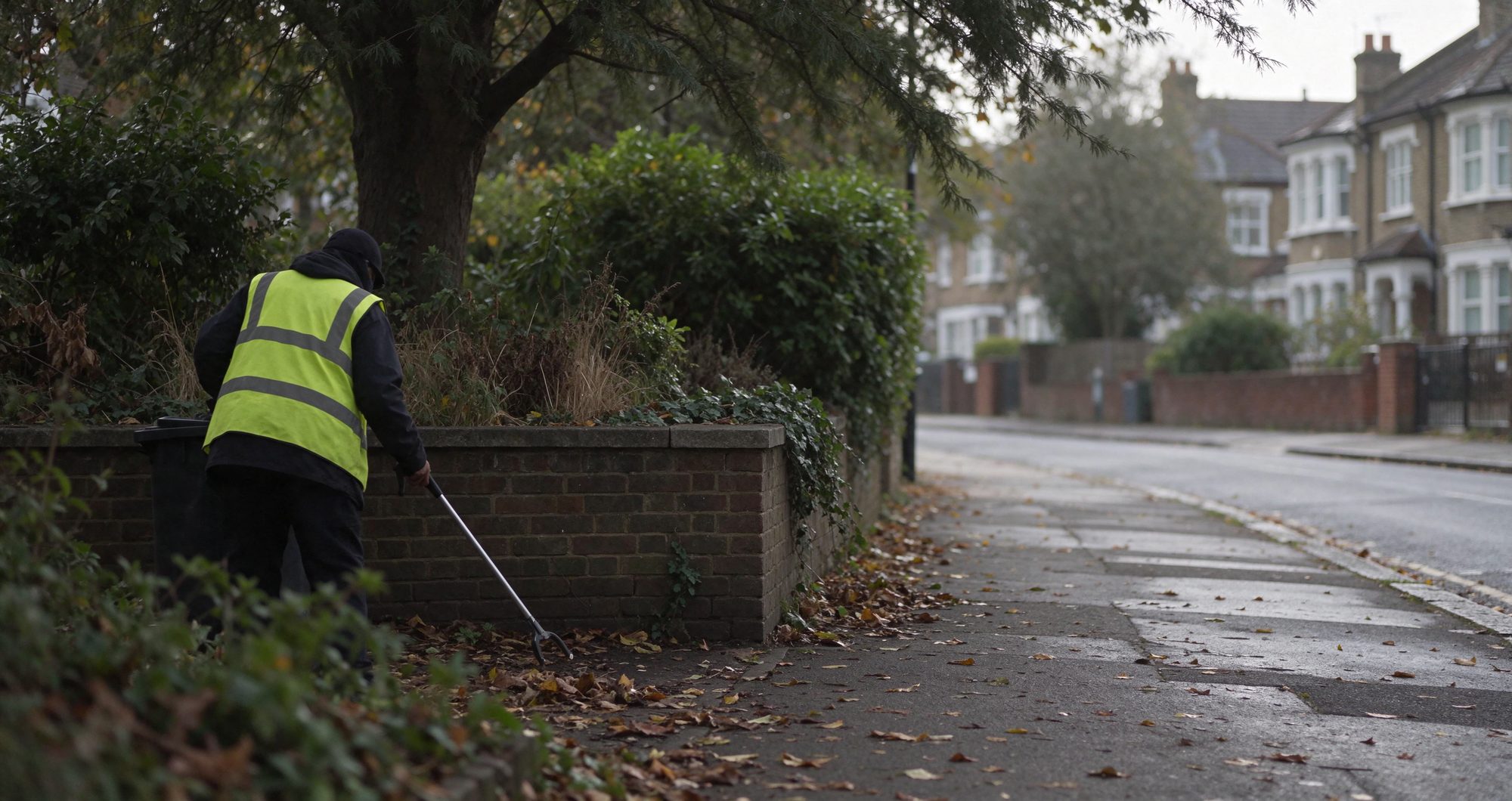

Harrow Council has approved higher penalties for littering, breaches of Public Spaces Protection Orders and aggravated fly-tipping, including a £750 littering penalty. The package introduces a two-tier approach to illegal waste dumping, reserving a £5,000 fixed penalty for cases where the seriousness of the offence justifies it.
The changes were approved by the borough’s cabinet on 19 November. They will apply only to offences committed on or after a separately published implementation date and will not be used retrospectively. Approval does not mean that every new penalty is already being issued.
Higher penalties and early-payment discounts
The standard littering fixed penalty will rise from £500 to £750. The discounted amount for early payment will increase from £250 to £300, preserving a lower-cost route for someone who accepts the penalty and pays promptly.
For breaches of Public Spaces Protection Orders, the fixed penalty will increase from £100 to £500. An early-payment amount of £150 will be introduced; the existing £100 penalty does not have an early-payment discount.
The standard fly-tipping penalty will remain £1,000, with a discounted early-payment amount of £500. Aggravated cases will have a separate £5,000 penalty, reduced to £1,000 for early payment. The higher figure is therefore not a blanket penalty for all illegally dumped waste.
The revised amounts follow increases in the statutory limits available to councils during 2026. Harrow’s package uses the higher limits for littering and public-space-order breaches while retaining a distinction between ordinary and more serious fly-tipping cases.
When the higher fly-tipping penalty can apply
Aggravating factors include multiple bags linked by evidence to one perpetrator, hazardous material such as asbestos, and repeat offending. The effect on young children, older people or disabled people can also be relevant when deciding whether an offence merits the higher tier.
Other factors include significant obstruction, environmental harm, effects on wildlife and pollution of a watercourse. Commercial dumping for financial gain, organised activity and waste deposited by someone purporting to provide a lawful collection or disposal service are also covered.
The presence of an aggravating factor will not automatically trigger a £5,000 penalty. The seriousness of the offence, the harm caused or risked and the offender’s culpability must justify the amount. The higher tier is intended for circumstances where a factor materially increases harm or culpability.
An appropriately authorised senior officer must approve a decision to issue the £5,000 penalty. The supporting evidence, aggravating and mitigating factors, and reasons for considering the amount proportionate must be recorded. Serious, repeated or organised offending should ordinarily be referred for consideration of prosecution.
Implementation and enforcement safeguards
A fixed penalty notice is an alternative to prosecution, rather than a court sentence. Payment discharges liability for the specified offence. There is no obligation to offer a notice in every case, and prosecution remains available where it is the more appropriate response. Non-payment may lead to consideration of prosecution for the underlying offence.
The cabinet approval is subject to the council’s call-in procedure. The decision can take effect from 28 November if it has not been called in, but the start date for applying the revised penalties must be determined separately. That responsibility rests with the Strategic Director of Culture, Environment and Economy, following consultation with the cabinet member responsible for cleaner streets and public safety.
Material changes to the approved amounts or substantive aggravating criteria must return to cabinet. Implementation also includes mitigation and monitoring of potential disproportionate financial effects on people with lower incomes, accessible information and reasonable adjustments for disabled people. The council’s policy is not to issue these fixed penalty notices to anyone under 18; alternative intervention must reflect safeguarding responsibilities and individual circumstances.