
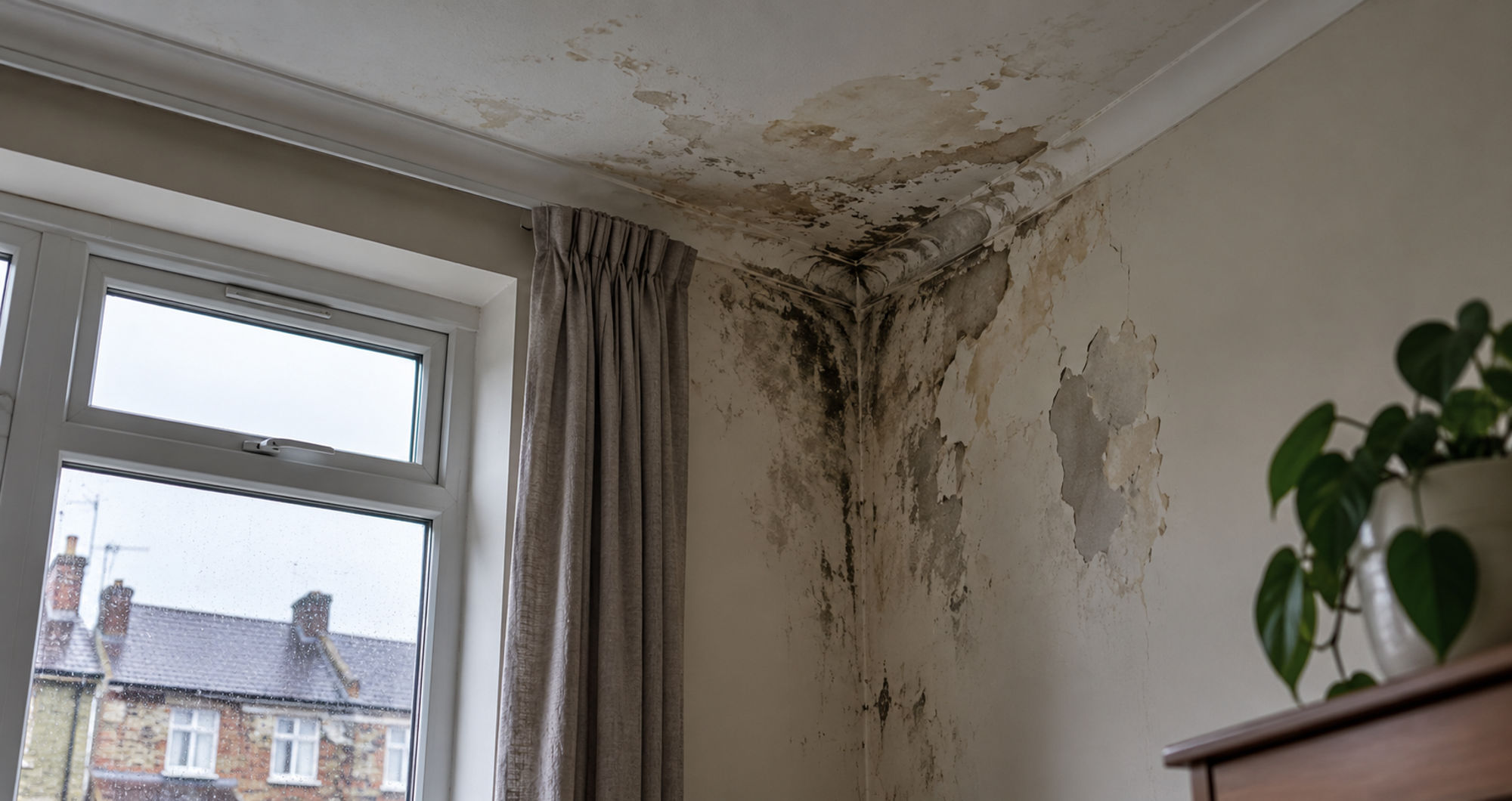

For tenants across London, unresolved housing repairs can have a significant impact on everyday life. Leaking roofs, damaged ceilings, structural problems and a lack of heating can make a property difficult to live in, particularly when reported issues remain unresolved for weeks or months.
With thousands of people living in council and housing association properties across the capital, understanding landlord responsibilities and knowing what steps to take when repairs are ignored is important.
If you are experiencing housing disrepair in London, there are several practical steps you can take to document problems, report them and understand your options.
What Is Housing Disrepair?
Housing disrepair refers to problems with a rented property that a landlord may be legally responsible for repairing or maintaining. The exact responsibilities depend on the tenancy, the nature of the defect and the circumstances involved.
Common examples include:
- Roof leaks and water ingress: Water entering through damaged roofs, windows or external walls can damage ceilings, flooring and personal belongings.
- Subsidence and structural damage: Cracks, movement and other signs of structural problems may require professional investigation.
- No heating or hot water: Faulty heating systems and a lack of hot water can affect the comfort and usability of a home, particularly during colder weather.
- Plumbing and drainage problems: Leaking pipes and persistent water leaks can cause further damage if left unresolved.
- Damaged walls, ceilings and flooring: Deteriorating internal structures can create hazards and may indicate underlying maintenance issues.
- Faulty windows and doors: Defects that allow water to enter a property or affect its security may require attention.
Not every repair issue automatically gives rise to a legal claim. Whether a landlord is responsible will depend on the relevant legal obligations and the facts of the individual case.
What Are Landlords Responsible For?
In England, landlords generally have legal responsibilities to keep the structure and exterior of a property in repair, including roofs, walls, windows and drains. They are also responsible for maintaining installations for water, gas, electricity, sanitation, heating and hot water, subject to the relevant legal requirements.
These responsibilities generally apply to council and housing association landlords as well as private landlords.
Tenants should be aware that landlords usually need to be informed of a problem before they can be expected to take action, unless they already have knowledge of the defect.
Once notified, landlords should take appropriate steps to investigate and arrange necessary repairs within a reasonable timeframe. The urgency will depend on the nature and severity of the problem.
Housing Disrepair in London: What Can Tenants Do?
If you are experiencing unresolved Housing Disrepair in London, taking a few practical steps can help establish what has happened and what action may be appropriate.
1. Report the problem to your landlord
Contact your council or housing association as soon as possible. Explain what is wrong, when the problem started and how it affects your home.
Where possible, report the issue in writing and keep copies of emails, reference numbers and responses. This can help establish when your landlord was informed of the problem.
For urgent issues, use your landlord’s emergency repairs contact details.
2. Keep a record of the damage
Photographs and videos can help document the condition of your property. Keep a record of when repairs were requested, any appointments that were missed and any changes in the condition of your home.
If the problem affects your everyday life, record the practical impact and retain any relevant correspondence or receipts.
3. Follow up on outstanding repairs
If the issue remains unresolved, contact your landlord again and ask what action is being taken and when the work is expected to be completed.
You may also wish to use your landlord’s formal complaints procedure if you are unhappy with the response.
Keep copies of all correspondence and make a note of any conversations, including dates and the names of people you speak to.
4. Understand your options if the problem continues
Where a landlord has not adequately addressed a repair issue, tenants may have several options.
Depending on the circumstances, these could include escalating a complaint, contacting the Housing Ombudsman or obtaining independent legal advice about whether a housing disrepair claim may be appropriate.
It is important to understand that making a complaint and pursuing a legal claim are separate processes. Tenants should also continue reporting urgent problems rather than assuming that starting a complaint or exploring a claim will automatically result in repairs being completed.
Can Council and Housing Association Tenants in London Make a Housing Disrepair Claim?
Some tenants may have grounds to pursue a claim where their landlord has failed to meet its legal repair obligations. However, eligibility depends on the circumstances and the evidence available.
Relevant factors may include the type and severity of the defect, how long it has existed, whether the landlord was notified, what action was taken and whether the tenant suffered a loss or other consequences.
A claim is not guaranteed simply because a repair is outstanding. Each situation needs to be assessed individually.
Tenants who are unsure about their position can seek independent legal advice before deciding whether to pursue a claim.
What Is the Housing Ombudsman and How Can It Help?
The Housing Ombudsman Service provides an independent and free complaints service for eligible social housing residents in England.
If a council or housing association has failed to deal with a repair complaint appropriately, the Housing Ombudsman may be able to investigate how the landlord handled the situation.
The process generally involves first raising a formal complaint with the landlord and allowing it the opportunity to respond. If the complaint remains unresolved, tenants may be able to escalate it to the Ombudsman.
Depending on the circumstances, the Ombudsman can make findings about whether a landlord has acted appropriately and recommend or require steps to put things right.
More information about eligibility and the complaints process is available directly from the Housing Ombudsman Service.
This service is free to eligible residents and does not require the use of a claims management company.
Where Can Tenants Find Further Information?
Understanding your rights, keeping clear records and reporting problems promptly can help tenants make informed decisions when repairs remain outstanding.
For those who want to explore making a claim for housing disrepair available to council and housing association tenants, Housing Repair Help is a trading name of Reclaim Experts Ltd, an FCA-authorised claims management company (FRN 1030701).
You do not have to use a claims management company to pursue a complaint or explore your legal options. You can report repair problems directly to your landlord. If you have an unresolved housing complaint, eligible tenants can also use the Housing Ombudsman Service free of charge: https://www.housing-ombudsman.org.uk/residents/.
This article provides general information and is not legal advice. Individual circumstances vary, and neither eligibility for a claim nor compensation is guaranteed.







