
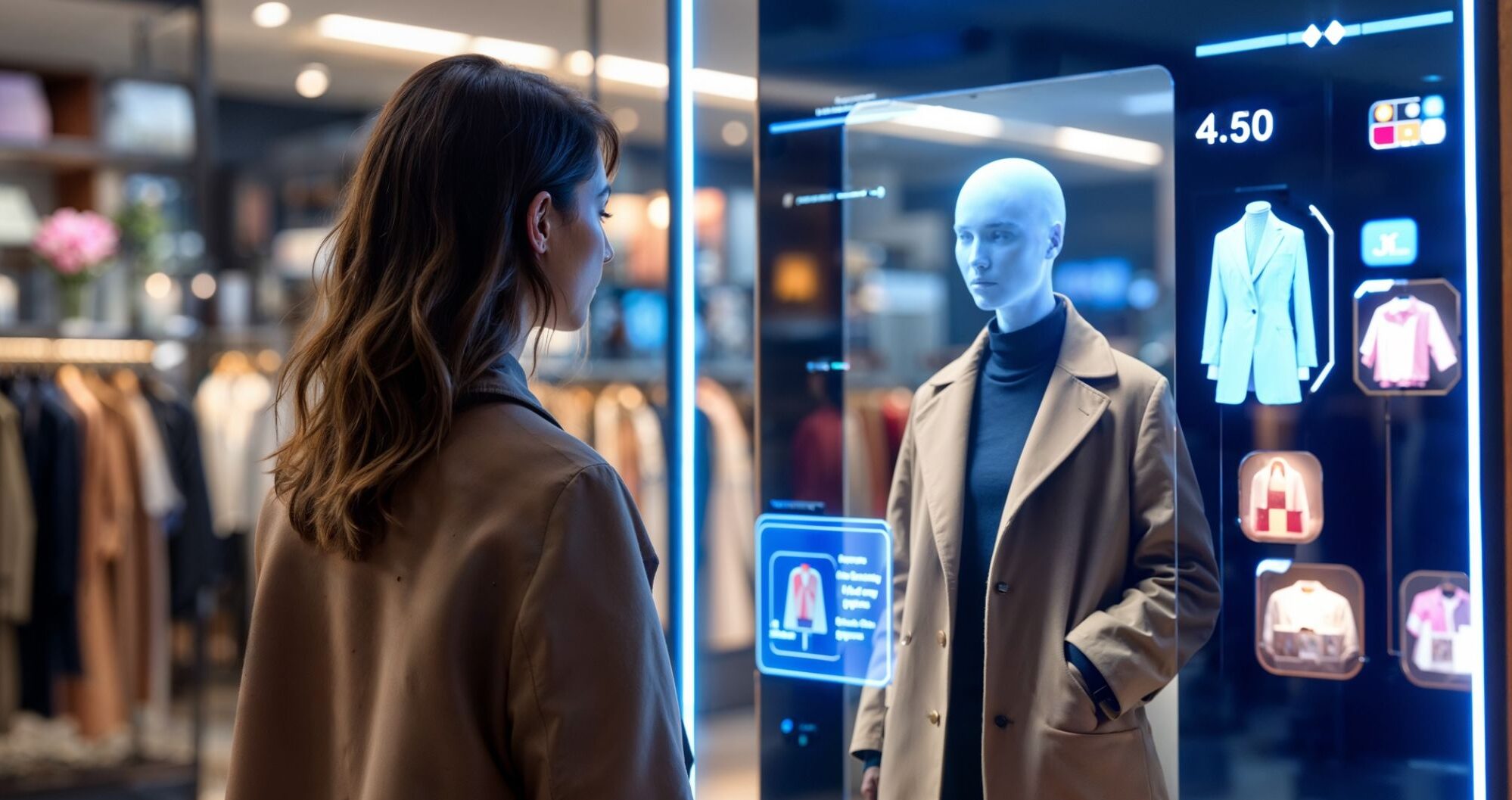

The world of e‑commerce has evolved dramatically over the last decade. From static websites to fully integrated online stores, businesses have constantly sought ways to improve efficiency, reach, and customer experience. In this digital age, the introduction of AI-powered tools has revolutionised how retailers approach online business. Among these innovations, the AI store builder stands out as a transformative solution, allowing businesses to create, manage, and optimise online stores with unprecedented speed and precision.
Unlike traditional website development, which often requires significant technical knowledge, long timelines, and high costs, AI-driven platforms streamline the entire process. Entrepreneurs, small business owners, and even large enterprises can now set up professional online stores with minimal effort. By leveraging artificial intelligence, these tools provide automation, personalisation, and optimisation that were previously difficult to achieve without dedicated IT teams.
The Digital Transformation of Retail
E-commerce has shifted consumer expectations drastically. Modern shoppers demand convenience, personalised experiences, and fast delivery, all while interacting with digital platforms seamlessly. For businesses, meeting these expectations requires sophisticated websites, efficient logistics, and continuous optimisation of user experiences.
Traditional methods of building an online store involve coding, manual design, and trial-and-error testing. These approaches often create bottlenecks, making it challenging for small or emerging businesses to compete effectively. This is where AI store builders make a significant difference. They use machine learning algorithms to simplify design, automate content creation, and optimise layout and navigation for maximum engagement.
Key Features of an AI Store Builder
An AI store builder is more than a website creation tool, it is an intelligent platform that combines multiple functionalities to enhance e-commerce operations. Key features typically include:
- Automated Store Design: AI algorithms generate professional designs tailored to brand identity and target audience preferences.
- Product Management: Bulk uploading, categorisation, and dynamic pricing become simpler, saving time and reducing errors.
- AI-Driven Recommendations: Personalised product suggestions improve user experience and increase conversion rates.
- SEO Optimization: AI automatically generates metadata, tags, and descriptions to enhance search engine visibility.
- Analytics and Insights: Integrated dashboards provide real-time insights into customer behaviour, sales performance, and marketing effectiveness.
These features enable businesses to focus on growth strategies rather than technical hurdles, making AI store builders a practical solution for modern entrepreneurs.
Accelerating Launch Times
One of the most significant advantages of an AI store builder is speed. Traditional online store development can take weeks or months, requiring collaboration among designers, developers, and content creators. In contrast, AI-powered platforms can generate a fully functional online store within hours.
Automation streamlines tasks such as template selection, image optimization, and product catalog integration. For businesses, this rapid deployment means faster time-to-market, which is particularly valuable in highly competitive sectors. Entrepreneurs can quickly test new concepts, respond to market trends, and scale operations without the delays typically associated with conventional development.
Enhancing User Experience with AI
Consumer experience is a critical factor in e-commerce success. Modern shoppers expect intuitive navigation, fast-loading pages, and relevant product suggestions. AI store builders leverage machine learning to continuously analyse user behaviour and adjust site layouts, product recommendations, and content to optimise engagement.
For instance, AI can detect which products are frequently viewed together and automatically create bundles or upsell opportunities. Chatbots powered by AI can provide instant customer support, answer queries, and even guide users through the purchasing process. These enhancements not only improve customer satisfaction but also increase sales and encourage repeat visits.
Making E-Commerce Accessible to Everyone
One of the most significant barriers to entering the e-commerce space has traditionally been technical expertise. Many small business owners or startups lack coding skills, design knowledge, or experience with online marketing. AI store builders lower these barriers by providing user-friendly interfaces, drag-and-drop functionality, and intelligent suggestions.
This democratisation of e-commerce empowers individuals and small businesses to compete on a more level playing field with established brands. Entrepreneurs can focus on strategy, branding, and customer engagement while relying on AI to handle the technical intricacies of store creation and optimization.
Driving Personalised Shopping Experiences
Personalisation has become a cornerstone of modern e-commerce. Customers expect product recommendations, marketing messages, and browsing experiences tailored to their preferences. AI store builders enable personalised interactions by analysing user behaviour, purchase history, and engagement patterns.
For example, the platform can suggest complementary products based on previous purchases or browsing habits. Personalised emails, push notifications, and offers can be automatically generated to encourage conversions. This level of personalisation drives customer loyalty, increases average order value, and ultimately boosts revenue for online stores.
Integrating AI Across Marketing and Sales
A comprehensive AI store builder doesn’t just focus on the online storefront, it integrates AI into marketing and sales workflows as well. AI algorithms can generate optimised ad campaigns, manage social media posts, and predict customer trends to inform inventory and promotions.
Businesses can leverage predictive analytics to anticipate demand, optimise pricing strategies, and plan marketing campaigns more effectively. This level of integration helps e-commerce businesses operate more efficiently and respond dynamically to market fluctuations, giving them a competitive edge in an ever-changing landscape.
Benefits for Small Businesses and Startups
AI store builders are particularly advantageous for small businesses and startups. These organisations often operate with limited budgets and resources, making traditional store development costly and time-consuming. With AI-powered platforms, they can:
- Launch professional stores quickly without hiring full development teams.
- Access intelligent tools for marketing, analytics, and customer engagement.
- Scale operations without the need for additional technical staff.
- Test multiple strategies and iterate based on real-time data.
By reducing costs and complexity, AI store builders make entrepreneurship more accessible, fostering innovation and growth within local and global markets.
Real-World Success Stories
Many businesses have already experienced tangible benefits from using AI store builders. For instance, retailers who traditionally relied on manual product uploads can now automate catalog management, saving hours of work each week. Startups can experiment with different layouts, designs, and product offerings in real-time, adjusting strategies based on analytics provided by the platform.
E-commerce companies have reported higher engagement, improved conversion rates, and increased revenue after adopting AI-powered tools. By enabling smarter decision-making and enhancing customer experience, AI store builders are proving to be a transformative technology for the digital economy.
Future Trends in AI-Powered E-Commerce
The capabilities of AI store builders are constantly expanding. Future trends include:
- Voice Commerce: Integrating voice-activated shopping to enhance convenience.
- Augmented Reality (AR): Allowing customers to visualise products in real-world settings.
- Predictive Inventory Management: Using AI to forecast demand and reduce stockouts.
- Enhanced Personalisation: Leveraging deeper learning algorithms for hyper-personalised shopping experiences.
- Global Market Expansion: Automatically adapting storefronts, languages, and currencies for international customers.
These innovations suggest that AI store builders will continue to evolve, offering more sophisticated tools to improve both operational efficiency and customer satisfaction.
Conclusion
The digital age demands agility, efficiency, and innovation in e-commerce. AI store builders are transforming the way businesses launch, manage, and optimize online stores. By automating complex tasks, providing intelligent insights, and enabling personalised experiences, these platforms empower entrepreneurs and established brands alike to thrive in a competitive market.
From accelerating launch times to enhancing customer engagement, the impact of AI-powered tools is clear. They not only make e-commerce accessible to a wider audience but also offer capabilities that traditional methods cannot match. As technology continues to evolve, the AI store builder will remain at the forefront of e-commerce innovation, shaping the future of how businesses sell and how customers shop.
For anyone looking to establish or improve an online store, leveraging an AI store builder is no longer optional, it’s becoming essential in a digital-first world.







