
When you’re shopping for a leather bag, you want to be sure you’re getting the real thing—not a synthetic imitation. Understanding how to distinguish genuine leather from faux options helps you make a smarter investment and appreciate the quality of your purchase. Below is a practical guide with clear cues you can check before you buy.
Inspect the Label and Material Description
One of the easiest first steps is to check what the manufacturer or retailer states about the material. Look for terms like “top-grain leather,” “full-grain leather,” or simply “genuine leather,” and compare them with mentions of synthetic alternatives such as “polyurethane (PU) leather,” “man-made material,” or “vegan leather.” This is especially helpful when evaluating premium items such as designer wash bags crafted by Maxwell Scott, which clearly outline their leather grade and craftsmanship standards.
Bear in mind that the term “genuine leather” does not always mean the highest quality. It can also refer to a lower-grade leather. Label checking is a useful first filter—but not the whole story.
Feel the Surface Texture
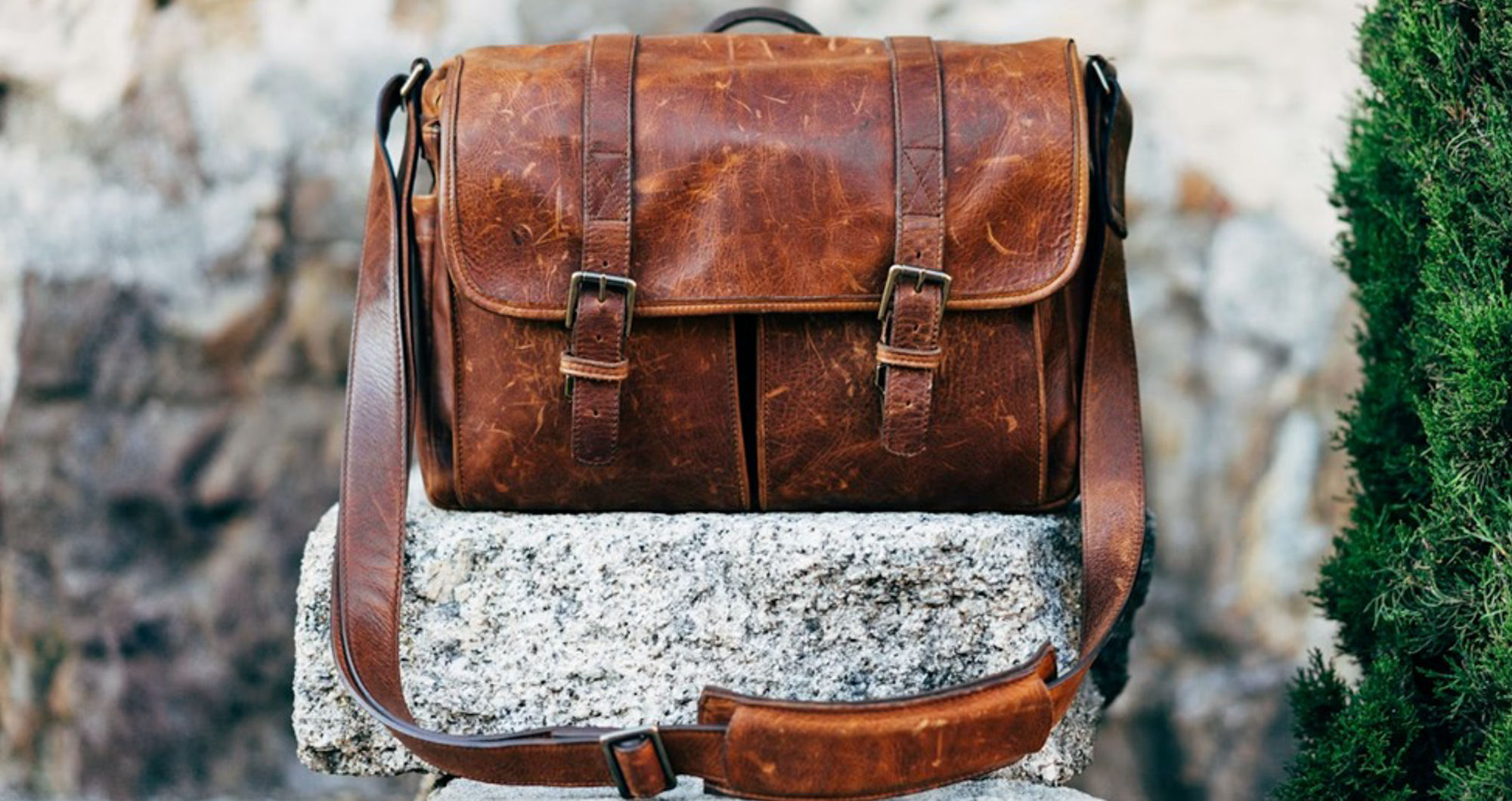
Genuine leather tends to have a natural, somewhat uneven grain. You may notice minor imperfections, small blemishes, or variation in texture—this reflects the natural origin of the hide. On the other hand, synthetic leather often has a uniform, overly perfect surface with repeated patterns.
When you press your finger into the surface of a real leather bag, it should slightly wrinkle or change shape—it has some give and responsiveness.
Fake leather tends to feel colder, stiffer, and less flexible, and won’t respond to pressure or bending as well.
Perform the Water Absorption Test
Because genuine leather is a natural material, it will absorb a small amount of moisture. You can lightly dab a tiny drop of water on a discreet part of the bag’s surface and see how it behaves. Real leather will absorb that tiny drop in a few seconds; synthetic alternatives will often leave the drop beading on the surface. This test is subtle and recommended only when you’re comfortable doing so—especially for higher-end bags—but it is effective at distinguishing real from faux.
Check the Edges and Inner Lining
Examine the edges of the leather panels—real leather hides tend to have rough, coarse, natural edges, whereas man-made materials often have perfectly cut, smooth edges.
Check the interior lining or backing. Some genuine bags expose the hide’s underside or split leather, while synthetics have artificial backing. Inspect stitching, grain, and how the material meets hardware—natural flaws can indicate authenticity.
Smell the Material
Leather has a distinct scent that is difficult to fake accurately. The smell is often described as earthy, woody, or “skin‐like” (in a positive sense). Fake leather, on the other hand, often smells synthetic or plasticky if you pick up the bag and get a strong chemical or plastic-type odour, which raises a flag.
Observe How the Material Ages (Patina)
One of the characteristics of genuine leather is that, over time, it will develop a patina—a change in appearance, slight darkening, or variation in tone — as it is exposed to sunlight, oils from your hands, and wear and tear. Fake leather generally lacks this natural aging process. The surface may remain more static and crack, peel, or look worn more quickly in an unnatural way. Being aware of how materials age helps you evaluate durability and authenticity before purchase.
Consider the Grade of the Leather
If the label confirms genuine animal hide leather, it’s valuable to understand what grade it is. For example:
- Full‐grain leather: The highest quality—untouched hide surface, strong, durable.
- Top‐grain leather: Still high quality, but the surface is sanded or buffed for smoothness.
- Split or “genuine” leather (as a grade term): Lower-grade hide, often thinner, may be less durable.
- Bonded leather or reconstituted leather: Shredded leather fibres bonded with synthetic backing—the lowest quality of “leather” materials.
- Knowing what the grade means helps you set expectations for durability, feel, and price.
Compare Hardware, Stitching, and Overall Construction
Authentic leather bags often feature high-quality hardware (zippers, buckles, clasps) and solid construction—reinforced stitching, well-finished edges, and well-aligned seams. While this doesn’t guarantee the leather is genuine, poor hardware and sloppy finishing are red flags.
Check that the stitching is even, edge finishing is clean (but naturally so), and attachments (handles, straps) feel solid. If the material appears to separate at edges, peel, or flake easily, it may not be the genuine article.
End Note
Knowing how to check a leather bag’s authenticity helps you make better purchases. Use label checks, texture, absorption, edge, and scent inspection, construction, grading, and price comparison as your toolkit each time you shop.