
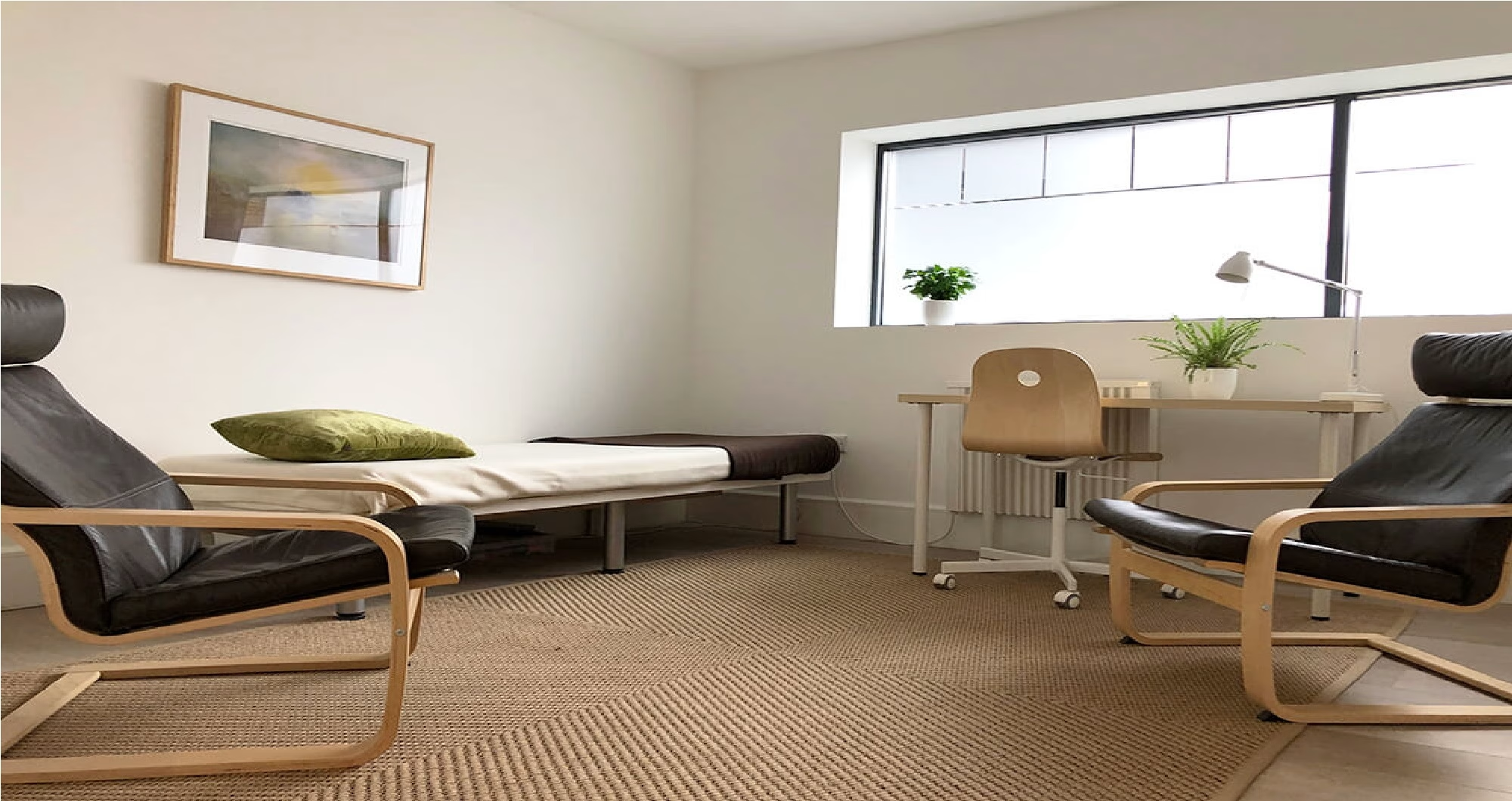

In the wake of the pandemic, Londoners are re-evaluating how mental healthcare is accessed and delivered. Demand has risen sharply, but so has the complexity of that demand. Long NHS waitlists, hybrid work patterns, and increased public awareness have driven more people to seek therapeutic support outside traditional clinical routes.
At the same time, the capital’s high streets are quietly shifting. As retail contracts expire and footfall patterns change, new tenants are taking their place: wellness providers, private therapists, and community-based health services. The result is a subtle but significant realignment in the city’s care infrastructure, one that brings therapy closer to where people already are. This shift isn’t just commercial. It reflects deeper pressures in the mental health system. Many NHS services remain under-resourced, particularly in urban centres, forcing private practice to absorb a growing share of clinical demand.
But private practice itself is changing. The model of a single-location, long-lease clinic is no longer suited to how most independent practitioners work today. Therapists increasingly operate across sectors, combining NHS hours, remote sessions, and in-person appointments in different boroughs. Their caseloads are varied, and so are their spatial needs. A fixed, centralised workspace can be limiting, both operationally and financially.
This has led to the rise of flexible therapy rooms: clinically appropriate, compliance-ready spaces available on a sessional basis. These environments allow therapists to deliver consistent care without committing to long-term property agreements. For clients, they offer greater continuity and access, appointments that are easier to attend, in locations that feel familiar. What’s emerging is a distributed model of care that better aligns with the realities of practice. The growth of sessional therapy rooms is not simply a market response, it’s part of a wider shift in how mental health services are structured and sustained in cities like London.
High Street as Health Hub
Across London, empty retail units are being reimagined, not as shops, but as spaces for care. From physiotherapy clinics to meditation studios, and increasingly, talking therapy, wellness providers are beginning to anchor the next phase of high street regeneration. This shift reflects deeper systemic forces. Mental health services are under growing pressure, while remote working, hybrid lifestyles, and localism have altered how people move through the city. Traditional centralised clinics no longer reflect the rhythms of daily life for many Londoners.
At the same time, footfall-dependent retail has collapsed, leaving a surplus of unused space. Many units are no longer viable as shops but work well for low-footprint, high-impact uses such as counselling or therapy. These units, often scattered across residential and commuter zones, have become ideal for independent practitioners seeking quiet, professional environments without the constraints of conventional leases.
Therapy rooms London professionals once sourced in clinical hubs are now appearing above cafés, behind shopfronts, or integrated into co-working buildings. Many are sessional or part-time in structure, allowing for more sustainable, flexible working models. This is especially important for early-stage private practices and professionals balancing NHS work with self-employed caseloads. In this changing landscape, flexible therapy rooms are becoming a viable operational model. Cura Rooms is a UK-based provider of flexible, CQC-compliant therapy rooms designed for self-employed mental health professionals.
By offering CQC-compliant spaces without the burden of long leases, they enable mental health professionals to work more adaptively, and closer to their communities. What’s emerging is not just a patchwork of therapy spaces, but a redefinition of how care is delivered: local, embedded, and better aligned with the everyday lives of Londoners.
Therapists’ Needs Are Changing
On Tuesdays, a CBT therapist clocks NHS hours in Camden until 2 p.m., then crosses the river for three private sessions in Richmond using a sessional room. The space is pre-set for trauma work: tissues, dimmable lamp, clock behind the client’s line of sight. Private practice therapy in the UK is no longer built around static rooms and rigid schedules. For a growing number of self-employed mental health professionals, flexibility isn’t a convenience, it’s an operational requirement.
Hybrid working, economic pressure, and evolving client preferences are reshaping how therapy is delivered and where it takes place. Many therapists now operate in portfolio-style careers, balancing NHS commitments, private clients, and remote sessions. For them, the traditional model of long-term clinic leases, often in centralised, high-cost areas, no longer aligns with how or where they practise.
Today’s practitioners are seeking sessional access to clinical-grade therapy rooms in locations that reflect real patterns of daily life: near homes, schools, transport hubs, or local high streets. This localised model improves client access and gives practitioners more control over their schedules. Burnout within the profession is also a key factor. Emotional fatigue and increased caseload complexity are leading some therapists to reduce hours, adjust their practice structures, or move away from rigid full-time models. Flexibility in work location is now as much about practitioner wellbeing as it is about logistics.
Infrastructure is beginning to reflect this shift. From integrated therapy rooms in co-working spaces to sessional-use facilities in suburban districts, the physical footprint of private practice is adapting to meet demand. As therapy rooms London professionals rely on become more decentralised, the sector itself is evolving. What’s emerging is a practice model grounded in sustainability, access, and responsiveness, one that mirrors the lives of both therapists and the communities they serve.
Clients Want Local, Flexible, and Calm Spaces
The way clients engage with therapy is also evolving. For many, convenience is no longer optional, it’s fundamental to accessing care in the first place. Long commutes to central clinics or rigid appointment slots often sit uneasily alongside the way people now manage time, stress, and work-life boundaries.
Today’s clients want therapy that fits into their routines, not the other way around. They are looking for sessions outside of traditional hours, in spaces that feel discreet, familiar, and embedded in their local areas. This shift is particularly visible in metropolitan regions like London, where proximity and familiarity are influencing choices more than postcode prestige.
Search data reflects this change. Terms such as “therapy rooms near me” and “counselling rooms to rent” are not just practical, they signal a broader cultural preference for therapeutic environments that integrate into everyday life. Research from Mind’s 2024 local mental health access review highlights the importance of place-based care in driving early engagement and sustained attendance.
The environment also plays a meaningful role. The physical setting can act as an unspoken frame for the work. A calm, professionally maintained room supports emotional safety, especially for clients navigating complex experiences such as trauma, anxiety, or grief. A former shoe shop in Walthamstow now runs 6–9 p.m. counselling. Frosted glass, acoustic door seals, a soft rug that absorbs footfall, and warm hallway lighting. Clients describe the room as “quiet without feeling clinical,” which helps first-timers settle within minutes.
In Southwark, a converted co-working suite now houses three counselling rooms operating outside of standard business hours. Local residents say the familiar high-street location makes it easier to attend sessions consistently, without the formality or distance of hospital-based clinics. For many, aesthetics, lighting, and atmosphere are not afterthoughts; they are part of the therapeutic holding space. Privacy, ease of access, and a sense of calm enable engagement and build trust from the moment a client arrives.
As therapy becomes more embedded in the rhythms of urban life, the room itself becomes an active part of the care process.
Flexible Therapy Rooms Meet That Demand
As therapy continues to decentralise, the infrastructure supporting it is becoming more agile. Flexible therapy rooms, available by the hour, day, or session, are not simply short-term rentals. They represent a shift in how mental health professionals access physical space. These are purpose-built, clinically appropriate environments designed to support modern patterns of practice.
For self-employed therapists, flexibility makes a measurable difference. It supports the ability to work across multiple boroughs, trial new areas, adjust caseloads, or avoid the risk of long-term leases, without compromising professionalism. This isn’t just about cost-efficiency. It’s about aligning physical workspace with therapeutic intent.
Clients, in turn, benefit from continuity and choice. Sessions can be held in neighbourhoods they already frequent, reducing the cognitive and logistical load of attending appointments. For many, the absence of institutional aesthetics adds to the sense of psychological safety. The broader infrastructure of healthcare is also adapting. As NHS England’s place-based care strategy outlines, decentralisation isn’t just a convenience, it’s a necessity for service integration. Therapy rooms that adapt to the fluid needs of both practitioners and clients are part of this ecosystem.
From acoustic integrity and compliant furnishings to digital booking tools and GDPR-ready protocols, today’s flexible spaces are built around real clinical requirements. They allow independent practitioners to deliver consistent, ethical care without being tied to a fixed site. What’s emerging is more than a business model. It’s a structural shift, one that integrates mental health into the rhythms of urban life while respecting the autonomy of the professionals delivering care.
Broader Systemic Shift
One client dropped a 45-minute commute to a central clinic and booked a local room off the high street instead. No train changes, no rushing. Attendance improved, cancellations fell, and they reported arriving “less braced” for sessions, especially after difficult workdays. The rise of these rooms is not an isolated phenomenon, it reflects a structural realignment in how mental health services are delivered across the UK. NHS waitlists for talking therapies continue to stretch, particularly in high-density urban areas.
In London, some patients are now waiting upwards of six months for an initial appointment. Private practice has, by necessity, become a critical pressure valve for this unmet need. Even with rising investment, mental health services continue to lag behind the needs of a growing and increasingly vulnerable population, especially younger adults and people in unstable work. Referrals for psychological therapies have surged in recent years, but many individuals still face long delays or disengage before completing their treatment.
The workforce is under comparable strain. Many therapists now operate outside traditional clinic frameworks, blending NHS roles, private practice, and teletherapy. For them, flexible therapy rooms are not just a preference, they are an operational necessity. According to the Care Quality Commission, despite a 35% increase in the mental health workforce since 2019, critical staffing shortages persist, affecting the stability and reach of services (CQC).
As clinicians move between NHS and private settings, and as patients do the same, the boundary between state-funded and fee-based care is blurring. In cities like London, private practice is increasingly integrated into public health delivery, a shift reinforced by NHS England’s place-based care strategy.
Why It Matters
The remapping of mental health infrastructure is no longer theoretical, it’s underway. Across London, therapy rooms, sessional-use clinics, and freelance clinical hubs are becoming fixtures on streets once anchored by banks, pharmacies, and post offices. Their emergence reflects a deeper restructuring of how psychological care is accessed and delivered in an urban context shaped by economic strain, demographic pressure, and policy inertia.
This transformation isn’t incidental. It stems from a structural mismatch between demand for care and the capacity of existing systems to meet it. With NHS mental health referrals at historic highs, but delivery pipelines bottlenecked by workforce attrition and limited estate flexibility, new models have had to emerge. These include decentralised, privately managed spaces that enable therapists to practise with autonomy, while still operating within compliant, CQC-aware environments.
Crucially, these rooms support more than just therapy, they support workforce continuity. Many clinicians now maintain portfolio careers that include private clients, NHS sessions, clinical supervision, and training. Sessional spaces enable this modularity. They allow professionals to scale their caseloads, relocate with need, and avoid the financial burden of long-term leases, without compromising standards. Looking ahead, mental health delivery in cities like London will depend less on centralisation and more on infrastructure that meets professionals where they are.
Policy may continue to evolve, but the need for accessible, regulation-ready therapy space is already urgent. These rooms are not just responding to the gaps in the system, they are helping redraw its boundaries. In a sector where unmet need carries material risk, the capacity to scale, flex, and decentralise safely may well define the next chapter of urban health.
In London, this model is setting a precedent for other UK cities where mental health infrastructure remains highly centralised. The growing network of therapy rooms London professionals are establishing across boroughs could serve as a template for decentralising care in places like Manchester, Birmingham, and Bristol.







