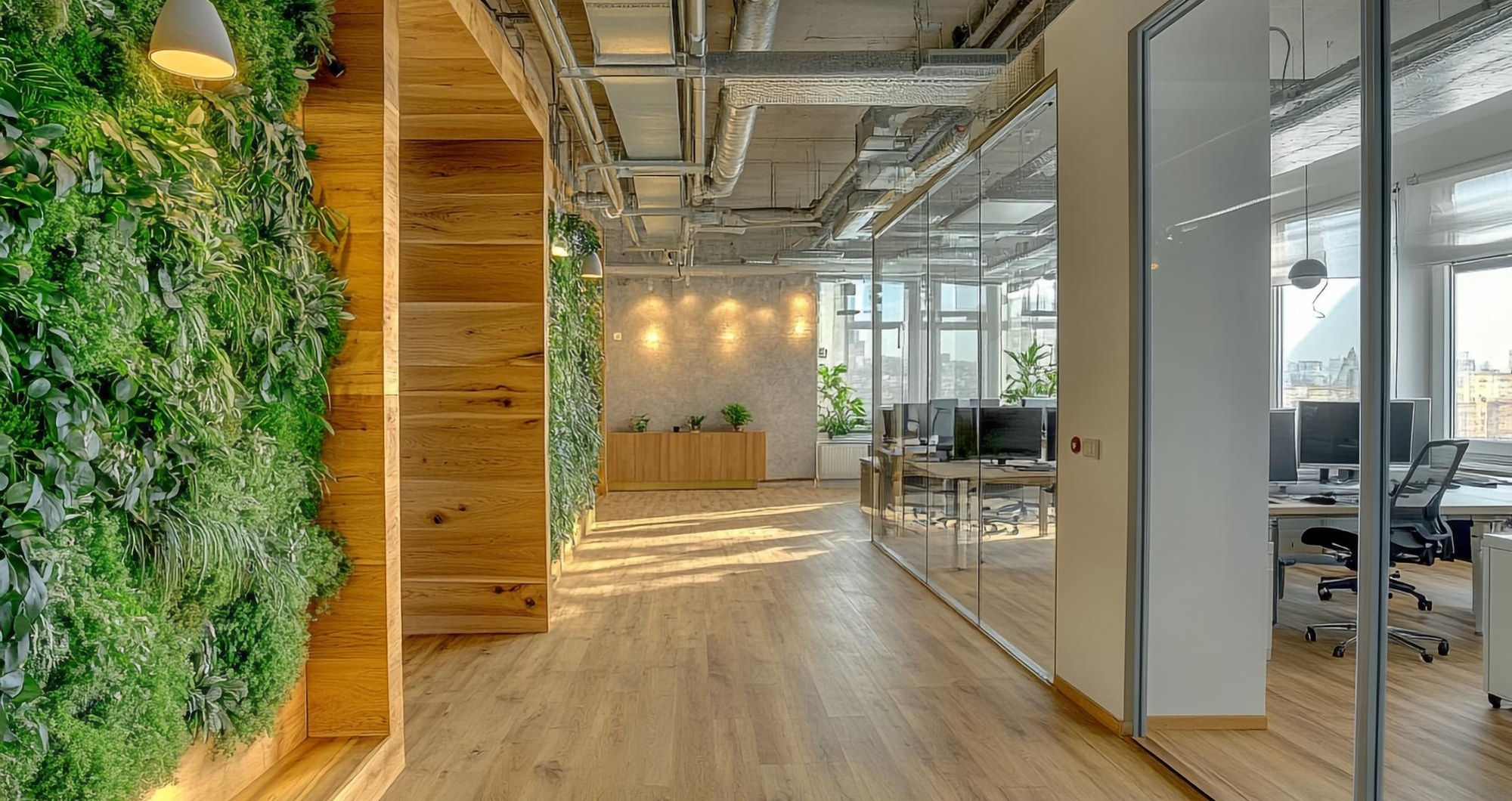

Modern industrial workplaces are undergoing a structural transformation, with floor design emerging as a critical factor in safety, efficiency and long-term sustainability. Across the UK, businesses operating in warehousing, manufacturing and logistics are reassessing how their physical environments influence risk management. Once treated as a purely functional surface, industrial flooring is now recognised as a central component of workplace design strategy, with direct implications for employee wellbeing and operational performance.
Addressing Persistent Workplace Hazards
Industry data continues to highlight the scale of workplace hazards linked to flooring. Slips, trips and falls remain among the most common causes of workplace injuries in the UK, prompting employers to look beyond traditional safety measures. In response, designers and engineers are integrating advanced flooring systems that not only meet regulatory requirements but also actively reduce risk through material science and layout planning. The shift reflects a broader movement towards preventative safety, where design decisions mitigate hazards before they arise.
Structural Design and Space Optimisation
Within this evolving landscape, structural solutions such as mezzanine flooring are also helping enhance safety outcomes. By creating additional levels within existing facilities, these systems help to separate workflows, reduce congestion and improve visibility across operations. This approach allows businesses to manage high volumes of goods and personnel more effectively, lowering the likelihood of accidents linked to overcrowded floor spaces.
Advanced Materials Improving Safety Standards
A key driver behind these changes is the adoption of high-performance materials engineered for industrial use. Epoxy and polyurethane coatings, for example, are increasingly specified for their durability and resistance to chemicals, abrasion and heavy loads. These materials also offer anti-slip properties, which are essential in environments exposed to liquids, oils or dust. By improving surface traction, modern flooring reduces the risk of falls without compromising on ease of cleaning or maintenance.
Smarter Layouts and Visual Guidance Systems
Beyond materials, the design of floor layouts is becoming more sophisticated. Warehouses and production facilities are now planned with clearly defined zones, using colour coding, markings and tactile surfaces to guide movement. These visual cues help workers navigate complex environments safely, particularly in areas where machinery and pedestrian traffic intersect. The result is a more intuitive workspace where safety is embedded into the physical structure rather than enforced solely through signage or training.
Technology Driving Predictive Safety Measures
Technology is further accelerating this transformation. Smart sensors embedded within flooring systems can monitor wear, detect hazards and provide real-time data on usage patterns. This information enables facility managers to identify high-risk areas and carry out targeted maintenance before issues escalate. Predictive maintenance, supported by such data, is reducing downtime while ensuring that flooring remains compliant with safety standards over time.
Regulatory Influence on Modern Floor Design
Regulatory frameworks in the UK are also shaping the direction of industrial floor design. Employers are required to meet strict health and safety obligations, including maintaining surfaces that are stable, even and free from obstruction. Modern flooring solutions are developed with these standards in mind, offering certified performance characteristics that support compliance. This alignment between design innovation and regulation is helping businesses adopt new technologies with greater confidence.
Sustainability and Environmental Considerations
Sustainability considerations are increasingly influencing flooring decisions as well. Many companies are seeking materials with lower environmental impact, including recycled content and reduced emissions during installation. Longer-lasting flooring systems contribute to sustainability by minimising the need for frequent replacement, thereby reducing waste. At the same time, energy-efficient surfaces that improve lighting reflectivity can lower overall energy consumption within large facilities.
Workforce Wellbeing and Productivity Gains
The human factor remains central to these developments. Safer flooring contributes not only to fewer accidents but also to improved morale and productivity. Workers operating in well-designed environments are less likely to experience fatigue or stress associated with unsafe conditions. Ergonomic considerations, such as cushioning in areas where employees stand for extended periods, are becoming standard in sectors where manual labour remains essential.
Adapting to Automation and Robotics
The growth of automation in industrial settings is also influencing floor design requirements. Autonomous vehicles, robotic systems and conveyor networks place specific demands on flooring, including precise flatness and load-bearing capacity. Modern designs must accommodate these technologies while ensuring safe interaction between machines and human workers. This dual requirement is driving innovation in both materials and structural engineering.
Upgrading Existing Industrial Facilities
Retrofitting existing facilities presents both challenges and opportunities. Many older warehouses were not designed with current safety expectations in mind, leading to uneven surfaces or inadequate load capacity. Upgrading these environments with modern flooring systems can significantly improve safety without the need for complete reconstruction. Businesses are increasingly investing in phased upgrades that allow operations to continue while improvements are implemented.
Balancing Costs with Long Term Value
Cost considerations remain a factor, but the long-term benefits of modern floor design are becoming more widely recognised. While initial investment may be higher, the reduction in workplace incidents, maintenance costs and operational disruptions often delivers a strong return over time. Insurers and regulators are also placing greater emphasis on preventative measures, further incentivising businesses to adopt safer flooring solutions.
The Importance of Integrated Design Approaches
Collaboration between architects, engineers and safety specialists is critical in delivering these outcomes. Integrated design approaches ensure that flooring systems are aligned with the overall layout and function of the facility. This coordination helps to avoid common pitfalls, such as mismatched materials or poorly planned traffic flows, which can undermine safety efforts.