
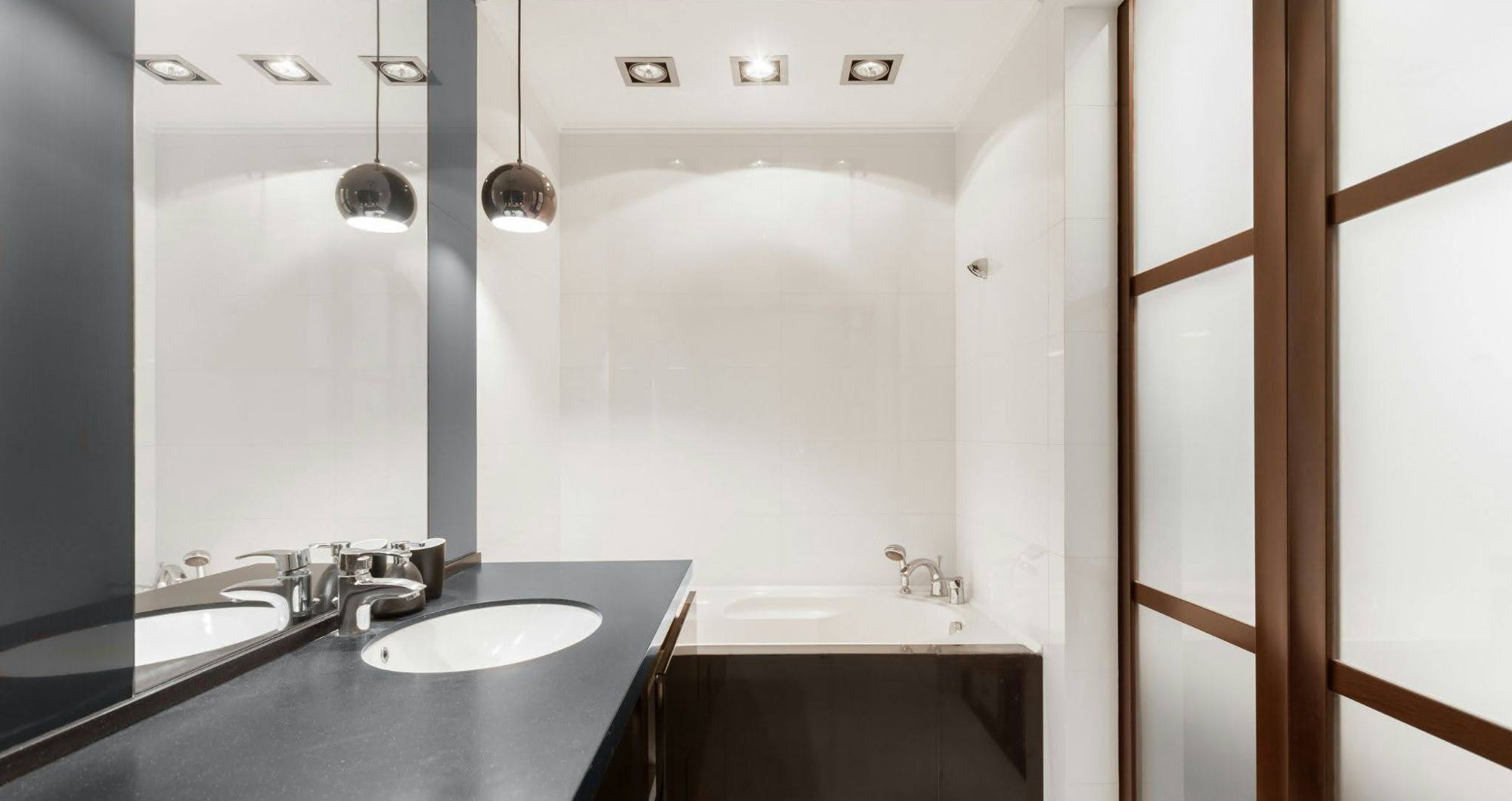

Pocket doors slide into a wall cavity instead of swinging into a room, which makes them a practical choice wherever floor space is limited. Suppliers such as Direct Doors supply pocket door ranges designed to fit standard openings without the clearance a hinged door requires. Understanding how a pocket door works, where it suits a home best, and what installation involves helps homeowners decide whether this space-saving option fits a renovation or new build project.
How a Pocket Door Mechanism Works
A pocket door runs along a track fixed above the opening and disappears fully into a cavity built within the adjoining wall when opened, rather than swinging outward into the room. The mechanism relies on rollers or a soft-close track system that keeps the door moving smoothly and prevents it from slamming shut. Because the door slides flat against the inside of the wall, it leaves no swing radius to plan around, which is the main reason homeowners choose this style over a standard hinged door. Getting the track and cavity dimensions right at the planning stage avoids problems once the wall is finished and plastered.
Rooms Where Pocket Doors Make the Most Sense
Small bathrooms, ensuites, and narrow hallways are the rooms where a pocket door tends to deliver the biggest practical benefit, since a hinged door in these spaces often blocks a fixture or forces awkward furniture placement. Home offices and utility rooms also suit pocket doors well, particularly where a door needs to stay open for ventilation or light without permanently occupying floor space. Open plan layouts benefit too, since a pocket door can separate a kitchen from a living area when needed while disappearing completely when it is not required.
Structural Considerations Before Installing a Pocket Door
Because a pocket door slides into a cavity within the wall, that section of wall generally cannot carry the same electrical wiring, plumbing, or structural load as a solid wall, so this needs checking before committing to the layout. Stud walls are usually straightforward to adapt, but a load-bearing wall requires additional structural work that should be planned with a builder rather than discovered partway through a project. Confirming there is enough depth within the wall cavity to accommodate the full width of the door is also an early and essential step in any project.
Comparing Pocket Doors With Standard Hinged Doors
A hinged door is generally simpler and cheaper to install since it does not require modifying the wall structure, but it always needs clear floor space to swing through. A pocket door costs more to fit correctly because of the cavity work involved, though many homeowners find the space it returns to a small room worth that additional cost. Soundproofing is another point of difference, since a pocket door typically does not seal as tightly against the frame as a hinged door, which is worth factoring in for rooms where privacy or noise control genuinely matters.
Choosing the Right Style and Finish
Pocket doors are available in a similar range of finishes to standard internal doors, including painted, veneered, and glazed options, so matching the rest of a home interior is rarely a limiting factor. Glazed pocket doors work particularly well in spaces that need to feel open and connected, such as a home office off a living room, while solid panel versions suit bathrooms and bedrooms where privacy takes priority. Ironmongery choices such as flush pulls are typically used instead of protruding handles, since the door needs to sit flat within the wall cavity when fully open.
Working With an Experienced Supplier
Fitting a pocket door correctly involves more coordination than hanging a standard door, since the cavity, track, and door itself all need to align precisely for smooth long-term operation. Suppliers provide pocket door systems designed to work together as a complete kit, which reduces the risk of mismatched components causing problems after installation. Working with a supplier that can advise on sizing and cavity requirements before ordering helps avoid costly changes once building work is already well underway.
Deciding Whether a Pocket Door Is Right for a Project
Pocket doors offer a genuinely useful way to reclaim floor space in rooms where a swinging door creates a practical obstacle, provided the wall structure allows for the cavity a pocket door needs. Weighing the additional installation cost and planning required against the space and flexibility gained helps homeowners judge whether this option suits their particular layout. For many renovation and new build projects, a well-chosen pocket door proves to be a small design decision that makes a noticeable difference to how a room actually functions day to day.







