


The real estate landscape in the UK is undergoing a significant transformation, largely driven by advances in property technology (PropTech). From digital platforms that streamline transactions to innovations that improve property management and sustainability, PropTech is set to revolutionise how homes are bought, sold, and managed across the country.
Virtual Property Tours: A New Standard
One of the most visible changes in the UK property market is the widespread use of virtual reality (VR) for property viewings. Previously a niche offering, virtual tours have become mainstream, especially since the COVID-19 pandemic. Platforms now allow prospective buyers and renters to explore homes in 3D from the comfort of their own homes. This is particularly useful in competitive urban markets or rural locations where in-person viewings are not always practical.
These virtual tours offer buyers and tenants a detailed look at properties before making commitments, reducing the need for multiple physical viewings. Estate agents, like Comfort Estates, have embraced these virtual tools, making the process quicker and more efficient for both landlords and tenants.
Digital Platforms Streamlining Transactions
PropTech in the UK is also making property transactions more efficient. Traditional processes, from searching for properties to handling paperwork, have become faster through the use of digital platforms. Online portals like Zoopla and Rightmove have long been popular for property searches, but newer technologies are improving the transactional side as well.
For example, e-signature solutions are now widely used to sign contracts online, removing the need for in-person meetings and paper-based processes. Estate agents are using digital tools to streamline processes like tenancy agreements, making it faster for renters to secure homes. This shift towards digital convenience benefits both landlords and tenants, ensuring quicker lettings and reduced void periods.

Smarter Property Management
In property management, smart technology is leading to more efficient homes. From smart thermostats that optimise energy usage to apps that allow tenants to report maintenance issues, technology is making rental properties more responsive. Property management firms can now monitor energy use and address problems like boiler issues or leaks remotely, minimising disruption to tenants.
Comfort Estates, for example, uses smart property management systems that allow tenants to communicate repairs instantly, improving the overall rental experience while also helping landlords reduce maintenance costs through early detection of issues.
Data-Driven Decisions for Investors
Investors are also benefiting from PropTech. Advanced data analytics tools are providing insights into property markets, helping investors make informed decisions. Platforms now analyse data from multiple sources to predict market trends, rental yields, and property appreciation rates. These insights are invaluable for buy-to-let investors looking to optimise their portfolios.
Furthermore, technology is enabling estate agents to provide more tailored recommendations. Using predictive analytics, agents can match properties with potential buyers or tenants more accurately, reducing time on the market and maximising return on investment.
Sustainable Housing Solutions
Sustainability has become a top priority in the UK property sector, and PropTech is playing a key role in driving green initiatives. With the government pushing for net-zero emissions by 2050, more property developers are integrating smart energy solutions into their projects. These include energy-efficient lighting, heating systems, and eco-friendly building materials, all of which are being tracked and managed by digital platforms.
The push for sustainable housing is not just a trend for new builds. In the rental market, landlords are retrofitting older properties with modern energy solutions, often driven by stricter government regulations on energy efficiency. Comfort Estates has started working with landlords to implement these improvements, ensuring that properties meet future standards.
The Future Outlook
Looking ahead, the UK property market will continue to evolve as technology develops. Estate agents, investors, and homeowners alike must stay informed about emerging tools and trends to remain competitive. PropTech will be integral in addressing challenges such as housing shortages, tenant demands for better services, and the push for greener, more sustainable homes.
In conclusion, PropTech is transforming every aspect of the UK property market, from virtual viewings and streamlined transactions to smart home technology and data-driven decision-making. As the industry continues to innovate, property professionals will need to adapt and embrace these changes to succeed in the evolving real estate landscape.
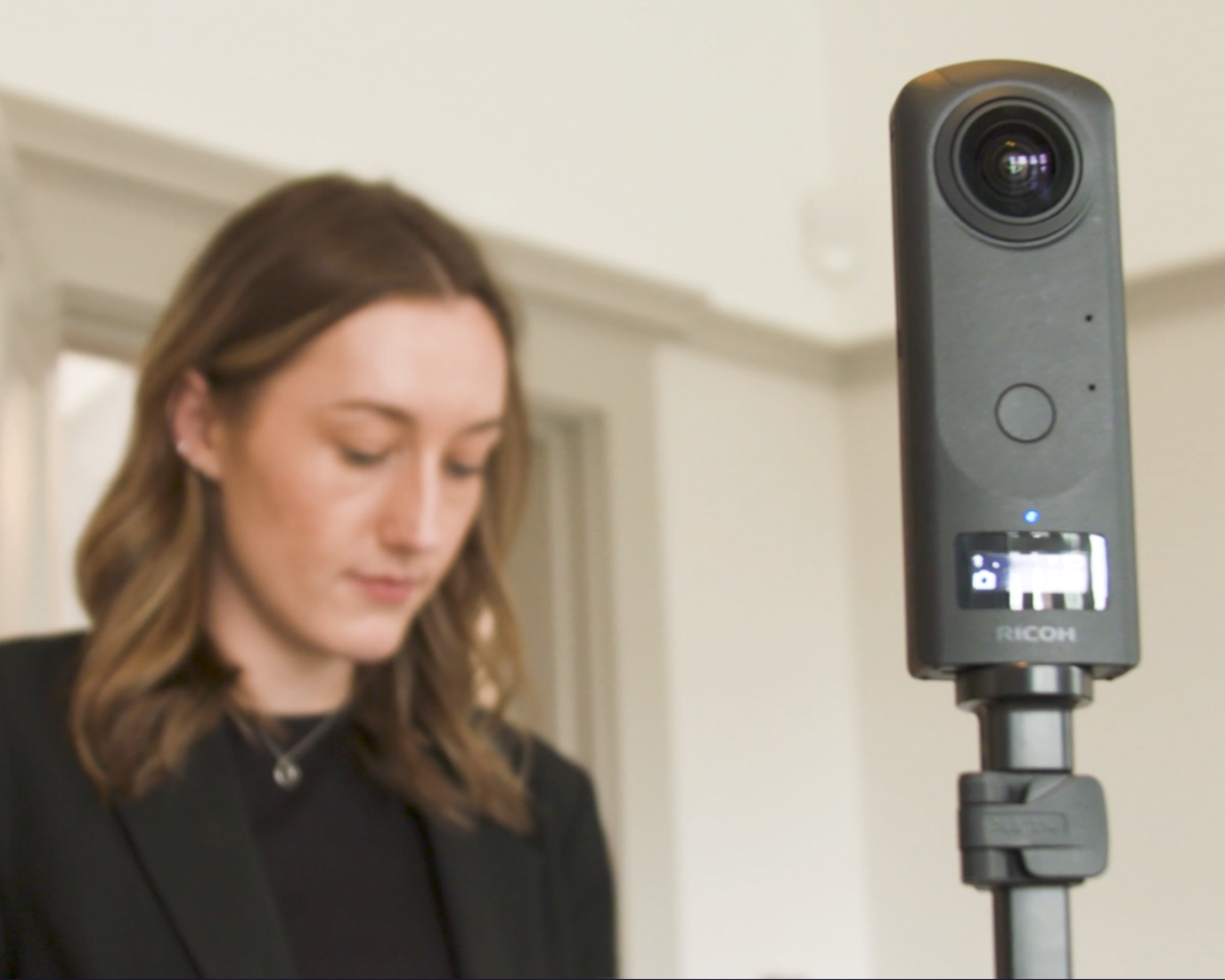
Feature Image by Paul Brennan from Pixabay







