
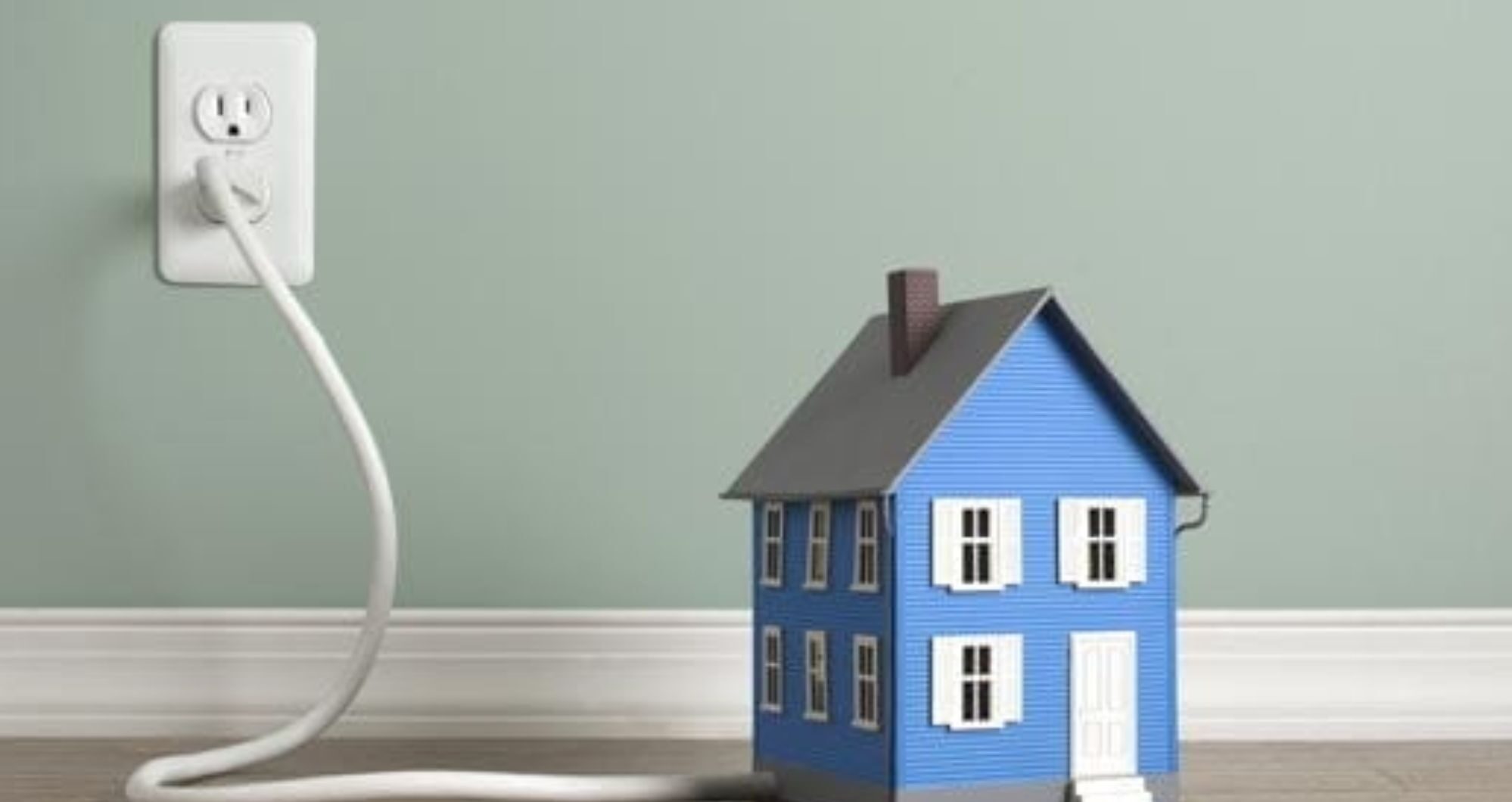

Energy bills have turned into a monthly headache. Every time one arrives, the same thought comes up: “How is it this high again?” For most households, electricity is one of those things that feels unavoidable. Yet there are ways to bring those numbers down.
Saving money on power is not about cutting comfort or living by candlelight. It is about paying attention. Once energy habits start being tracked, things begin to change.
Real savings start with awareness. That is the quiet truth most people overlook.
A Shift in How People Think About Energy
There was a time when the electricity bill arrived, got paid, and that was that. No one really questioned what made it so high. Now, that mindset is shifting.
Smart meters have made energy use visible. People can see in real time what happens when they run the tumble dryer or boil the kettle twice in an hour. It has opened eyes.
Awareness has become the first step. Once a person understands how their home uses energy, cutting waste becomes far easier.
The Hidden Power of Comparing Plans
Here is something that still surprises many people: staying with one provider often costs more. The same electricity, different prices. That is where plan comparison comes in.
Online tools now make it easy to see what else is out there. According to Ofgem’s official advice on switching energy suppliers, moving to a different tariff or provider can lead to real savings. Platforms such as trieagle energy show how rates vary and which options match a home’s usual energy pattern.
It takes minutes to check, but the difference can be hundreds of pounds a year. The logic is simple: when competition exists, prices fall. Yet millions still never compare.
Why More People Are Finally Switching
It is not just about chasing the lowest rate anymore. People want flexibility, predictability, and clear pricing. That is exactly what switching provides.
- Clearer information. The real cost is displayed upfront.
- No one has to stay locked into a bad deal.
- Competition keeps suppliers honest.
The process itself has become easier, too. No long calls, no paperwork, just a quick form online and a short wait. That convenience has changed everything.
Small Habits, Big Results
Even a bill can be reduced by a few tweaks. Leaving unused plugs off, placing heaters on timers or lowering the thermostat by one degree are all ways to make a difference.
The guide on thermostats and heating controls by the Energy Saving Trust estimates that by simply reducing the thermostat by one degree, heating costs can be reduced. LED bulbs can cut lighting costs by half.
None of this feels dramatic, and that is the point. The best savings come quietly, through small routines that soon feel normal.
Renewable Energy: Once Optional, Now Sensible
There was a time when renewable energy felt idealistic. It was good in theory, but out of reach. That has changed fast.
More suppliers now offer green energy plans at fair prices. Solar power is becoming common on ordinary rooftops. Even renters can choose suppliers who draw from wind or hydro sources.
Renewable energy brings something valuable: stability. When fuel prices fluctuate, renewable plans stay steady. That makes them both ethical and practical.
Efficiency and Comfort Can Coexist
Some people still think using less energy means being less comfortable. The truth is the opposite.
Homes with proper insulation stay warmer. Smart thermostats keep rooms at steady temperatures. Modern windows reduce drafts. These small upgrades not only save money but also make living spaces feel better.
Energy efficiency is no longer a sacrifice. It is a lifestyle improvement with long-term payback.
Technology Has Quietly Made Saving Easier
Technology has achieved with energy what online banking achieved with money; it has made it in the hands of the common people.
Smart thermostats know whether a family is present or not. Apps reveal the precise location of electricity consumption per hour. Others will even issue warning signals in the event of a sudden increase in usage.
Even the simplest gadgets, like smart plugs or light timers, can save pounds off the monthly bill. The ideal thing about it is that all of it only takes a lot of work to establish.
Why Planning Ahead Makes Life Easier
Bills feel stressful when they are unpredictable. Fixed-rate plans solve that problem. They lock in a rate and let households budget confidently each month.
That stability matters. It prevents those winter surprises when heating costs suddenly climb. Comparison sites make finding such plans quick, which means households can focus on other things instead of chasing energy deals.
Financial control often starts with predictable bills.
Five Simple Steps to Start Saving
Getting smarter about energy does not mean doing everything at once. Start small.
- Check usage often. Knowing when power is used the most is half the battle.
- Compare plans yearly. Better offers appear regularly.
- Update appliances. Old models quietly waste power.
- Set timers. Let heating and lighting match real routines.
- Stay aware. The small daily choices make a lasting difference.
Each change feels minor on its own but builds into real savings over time.
The Future Looks a Lot Smarter
Energy use is moving into a new phase. Homes are learning to manage themselves. Solar batteries store power, AI systems track consumption, and people have more control than ever.
Soon, energy plans will adapt automatically to habits, choosing cheaper hours or shifting loads when demand drops. The days of passive electricity use are ending.
The next chapter is interactive, efficient, and personal.
Why It Matters Right Now
Energy costs are not just numbers on paper. They affect everything, from grocery budgets to rent payments. Smarter choices give back control in a time when so many costs feel out of reach.
The shift starts small: checking, comparing, switching, and staying mindful. Every household can do it. Every little adjustment adds up.
The smartest power decision is simply deciding to pay attention.







