
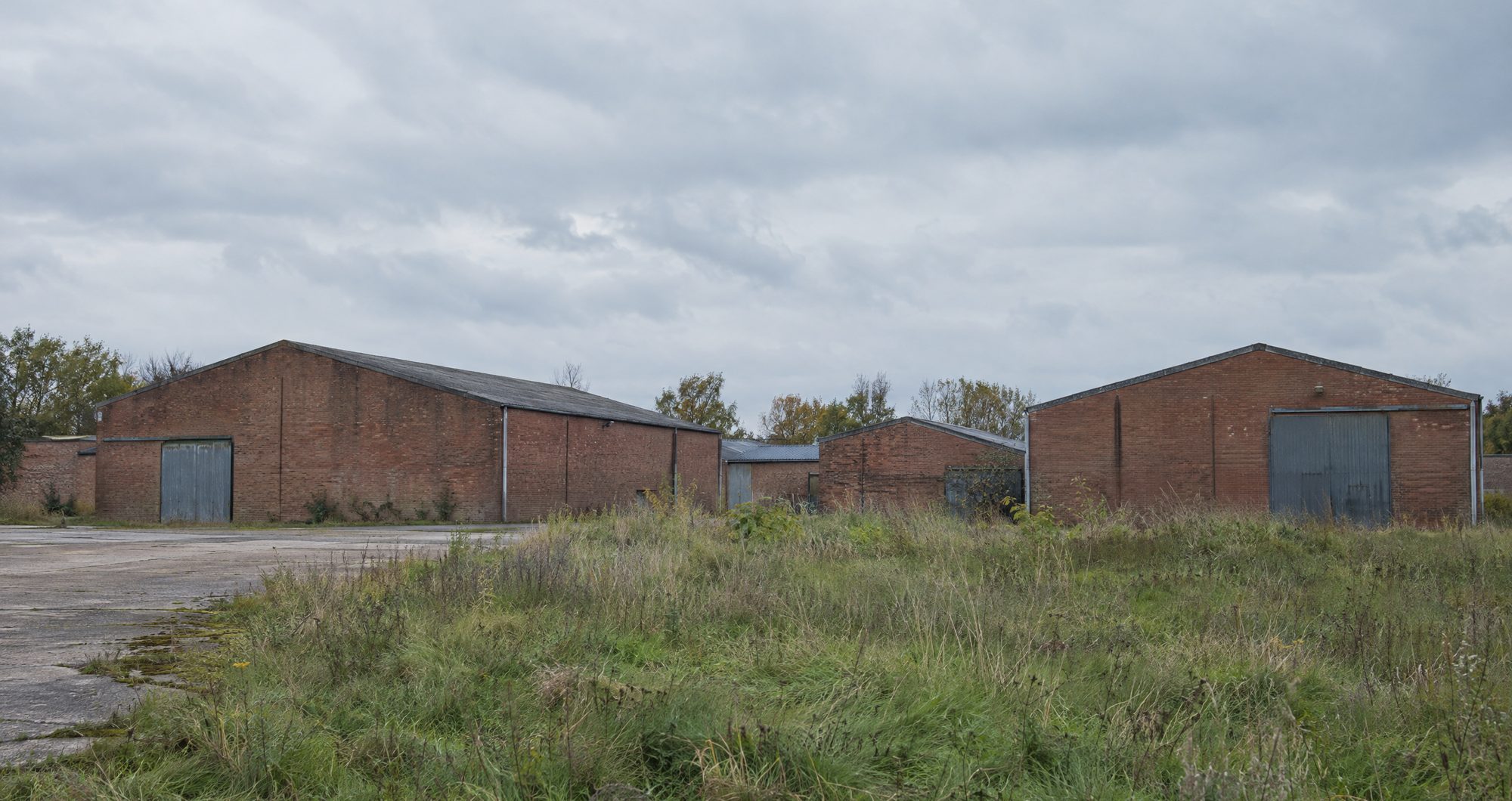

Sheffield City Council has approved up to £1.2 million for early work on regeneration projects across the Don Valley Corridor, as part of a wider £5.4 million programme covering areas of Sheffield and Rotherham.
The money is intended to help turn long-term ideas for housing, employment and infrastructure into proposals that can be assessed for future investment. It is not a construction award, and the committee’s decision does not approve any individual building project or land purchase.
The council’s Economic Development, Skills and Culture Committee agreed the authority’s involvement on 11 November. The South Yorkshire Mayoral Combined Authority will lead the programme in partnership with Sheffield City Council and Rotherham Metropolitan Borough Council.
Sheffield’s contribution is up to £1.2 million of Gainshare funding over three years. The wider package also includes £3 million from the combined authority and £1.2 million for the Rotherham element. The figures describe the initial programme for preparing projects rather than the total cost of building everything envisaged for the corridor.
From a regional vision to individual proposals
The Don Valley Corridor runs from Sheffield city centre through the Lower Don Valley towards Rotherham Gateway. The investment programme is intended to support feasibility studies, masterplanning, technical assessments, infrastructure planning and detailed business cases. It will also cover engagement with communities and other interested parties.
At the committee meeting, an officer explained that the funding would help resource a development team and allow the appointment of consultants to investigate opportunities and carry out feasibility work. Gainshare is devolution funding overseen by the combined authority, rather than a new allocation from the council’s own general resources.
That preparatory work is a separate stage from deciding whether a particular scheme should go ahead. The council says any projects brought forward will still need their own business cases, funding decisions and planning processes, as well as consultation where required.
The partners assessed four options before choosing the £5.4 million approach. A larger £8.1 million option was considered but not selected. During the meeting, a councillor questioned whether a more ambitious level of spending and earlier business involvement should be pursued. An officer said the assessment had not shown enough additional benefit from the extra expenditure at this stage.
What the corridor could include
The new decision follows the launch in March of a wider, 30-year vision for the corridor. Initial analysis cited by Sheffield Council suggests that the wider programme has the potential to support more than 18,000 jobs, provide capacity for 10,500 homes and contribute an estimated £1.3 billion to the national economy.
Those figures describe potential across the long-term vision. They are not a count of homes with permission, jobs already created or building work financed by the £5.4 million preparatory programme.
Among the opportunities identified is the Sheffield Innovation Spine, linking the Sheffield Station Campus with the University of Sheffield. The ambition includes facilities for research, start-ups and business-led research and development.
In Attercliffe, the programme will consider further housing and workspace alongside opportunities around Sheffield Olympic Legacy Park. It will also support work on housing, employment and regeneration in Darnall, Handsworth and the wider Lower Don Valley.
Other areas identified for further work include Waverley and the Advanced Manufacturing Park. The corridor vision also envisages a rail-linked innovation campus around the proposed Rotherham Gateway station. Sheffield’s latest decision does not itself authorise that station or a campus construction project.
Infrastructure and community involvement
Transport, energy and flood protection are among the infrastructure issues the partners have identified for the longer-term programme. The preparatory funding is intended to help work out what individual proposals need and how they might be made ready for investment.
The council says it wants local communities to benefit through access to jobs, skills, housing and improved places. Engagement is expected to become more specific as individual proposals are developed, alongside any statutory consultation that applies to them.
The government has also recognised the corridor as a growth priority and confirmed £3 million for a technology incubator. That incubator funding is a separate commitment from the £5.4 million programme for preparing projects.
For now, the committee’s decision gives Sheffield a role in the next stage of work with its regional partners. Whether particular developments proceed will depend on the evidence assembled, future funding and the decisions required for each scheme.







