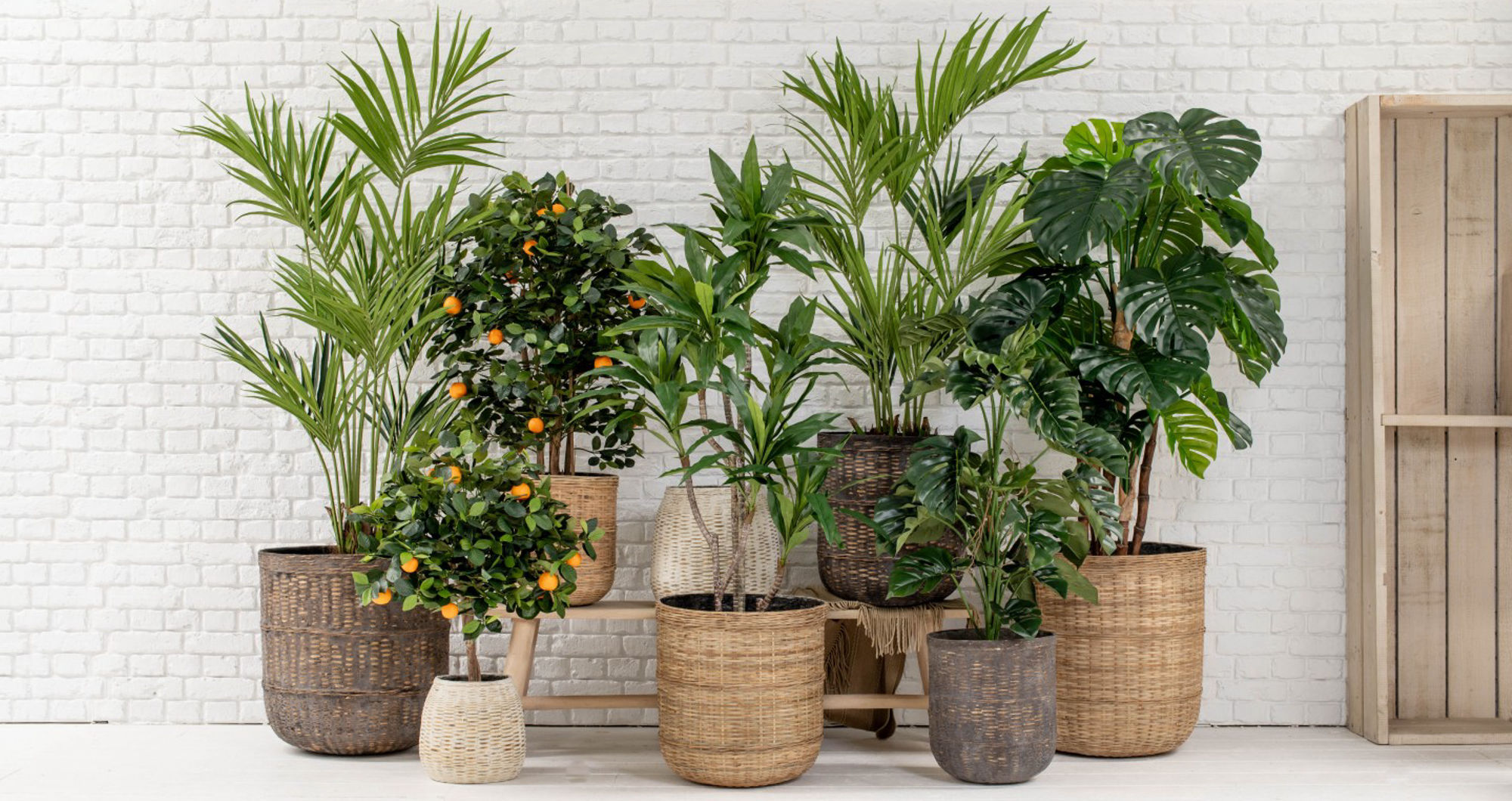

The Rise Of Greenery In Contemporary Spaces
Greenery has become a signature element in contemporary interior design, making its way into an array of environments such as homes, offices, hospitality venues, and public spaces. Designers are turning to plants to soften angular interiors, create vibrant focal points, and encourage relaxation in high-traffic areas. Despite their aesthetic appeal, live plants are not always practical for every setting, especially when spaces lack sufficient sunlight, consistent care, or ideal climate conditions. This reality has paved the way for a new generation of faux plants. Today’s artificial greenery is meticulously crafted to mimic the textures, hues, and organic shapes of real foliage, providing a visually compelling substitute where live plants struggle. As a result, design professionals are increasingly adopting faux plants as a functional component of thoughtful interior schemes.
Sustainability Considerations Behind Faux Greenery
The discussion of sustainability becomes more nuanced when considering artificial plants. While their association with synthetic materials might suggest otherwise, high-quality faux plants can be an environmentally responsible choice in certain contexts. Unlike their living counterparts, faux plants do not require ongoing consumption of water, fertiliser, or chemicals—resources that add up over time. When sourced from reputable manufacturers who emphasise durability, these plants can last for years, far outliving less robust alternatives. Reducing the frequency of replacement means less waste and fewer emissions from shipping new greenery to challenging interiors. As innovation continues, the industry is seeing a shift toward eco-conscious manufacturing methods and the use of longer-lasting components. Seen through this lens, selecting well-constructed faux plants contributes to a sustainability strategy that values longevity and reduced resource consumption.
Design Flexibility In Challenging Interior Environments
One of the greatest strengths of faux plants is their adaptability in spaces unsuitable for live greenery. Interiors with limited natural light, variable temperatures, or high levels of use can make cultivating living plants difficult or impossible. High-quality artificial plants provide designers with consistent visual appeal, regardless of placement—whether in shaded corridors, busy entranceways, or above head height. This flexibility allows for creative displays such as vertical plant walls, dramatic installations, or seasonally consistent arrangements that maintain their charm throughout the year. For designers and property owners interested in exploring the full potential of sustainable faux plants, resources like https://fauxnatural.com/ provide insight into the diversity and craftsmanship now available.
Practical Benefits For Maintenance, Wellbeing, And Hygiene
Beyond their appearance, faux plants offer a practical set of benefits that address common concerns in both residential and commercial interiors. People seeking greenery often lack the time or expertise for complicated plant care routines; artificial options bypass these challenges entirely. With no need for watering, trimming, or pest control, they are an ideal solution for those with busy schedules or limited gardening knowledge. This is especially relevant in shared environments like apartment lobbies, rental offices, or hospitality spaces, where consistency and reliability are valued. Faux plants also eliminate soil and moisture, reducing the risk of pests and mould, contributing to a healthier indoor environment.
- Low-maintenance greenery for time-poor occupants
- Consistent visual quality across all seasons
- Reduced issues with pests, soil, and mould
- Flexibility in challenging layouts and lighting conditions
Integrating Faux Plants Into Modern Design Schemes
Effectively introducing faux plants into interiors requires careful consideration and design sensitivity. The most successful arrangements involve matching plant styles to the spatial context, balancing proportions and colors, and combining a variety of leaf shapes and sizes to achieve a dynamic result. Many experienced designers blend both live and artificial plants within a single scheme, leveraging the strengths of each type while creating a balanced connection to nature. Container selection and strategic placement add sophistication, while occasional dusting keeps displays looking fresh. Faux plants, when paired with other natural materials like wood and linen, help foster the calming sense of biophilia that so many modern interiors seek to achieve. As a long-lasting and sustainable alternative, they are quickly becoming a go-to solution for contemporary design projects focused on wellness and environmental sensitivity.
- Choose realistic textures and varied leaf forms
- Mix live and faux plants for a more organic effect
- Use appropriate containers and stands to elevate compositions
- Regularly dust and reposition pieces to keep arrangements dynamic