
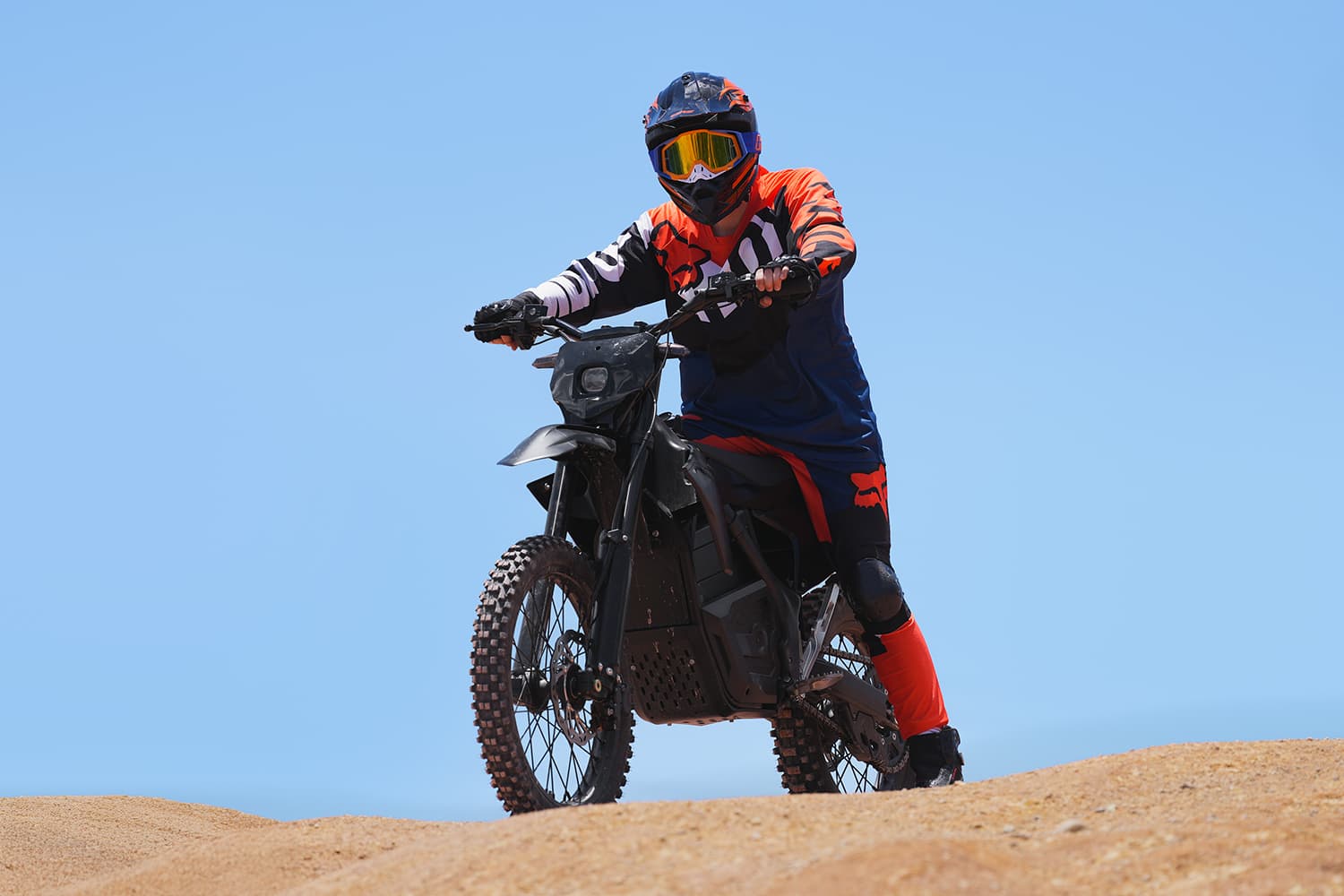

Electric dirt bikes offer responsive power delivery, quieter operation and fewer routine engine maintenance requirements than petrol-powered motorcycles. However, choosing the right model involves more than comparing motor power or maximum speed. Riding experience, terrain, battery range and long-term ownership costs all influence which motorcycle is most suitable.
Understanding Electric Dirt Bikes and Riding Regulations
Unlike conventional electric bicycles, which rely on pedal assistance, an electric motorcycle typically uses throttle-controlled power and is designed for more demanding riding conditions.
In Great Britain, qualifying electrically assisted pedal cycles have a maximum continuous rated motor output of 250W, with assistance cutting off at 15.5 mph. Electric dirt bikes that do not meet these requirements fall under different vehicle regulations.
Many models are designed specifically for off-road use. Buyers should therefore confirm whether a motorcycle has the necessary road approval rather than assuming it can be used on public roads.
Where Can Electric Dirt Bikes Be Ridden?
Access to suitable riding locations is an important consideration before purchasing.
Private land with the landowner’s permission and dedicated off-road motorcycle facilities are common options. Some motocross venues accept electric models, although individual track rules and booking requirements may vary.
Public footpaths and bridleways are not generally open to motor vehicles. Certain green lanes permit road-legal motorcycles, but local restrictions may apply.
For riders living in urban areas, reaching an off-road venue may also require a suitable van or trailer. Checking nearby riding facilities and transport arrangements beforehand can make ownership considerably more practical.
What Should Buyers Look for in an Electric Dirt Bike?
Motor power, battery capacity and handling should be considered together rather than as separate selling points. Higher torque can improve acceleration and climbing performance, but beginners often benefit from smoother throttle response and manageable power. Larger batteries provide more stored energy, although actual range depends on rider weight, terrain, temperature and riding style. Suspension, tyre tread, seat height and overall weight also affect comfort and control, particularly on muddy tracks, gravel and uneven ground. Buyers should prioritise a balanced combination of these features based on their riding experience and the conditions they expect to encounter.
Which Electric Dirt Bike Suits Different Riders?
The right motorcycle depends on riding experience and intended use rather than power alone.
Newer riders may prefer lighter models with predictable handling, while those tackling steeper trails or more demanding terrain may benefit from stronger motors and more substantial suspension.
Experienced adults may prefer models with greater torque, longer suspension travel and sufficient battery capacity for extended off-road riding. However, these features should be matched to individual riding ability rather than treated as essential for every rider.
Vehicle weight, physical fit and ease of control remain more important than headline specifications alone.
How Do Weather and Riding Conditions Affect Performance?
Wet and muddy conditions can reduce tyre grip and increase wear on chains, brakes and other components. Suitable tyres, regular cleaning and routine inspections are particularly important after riding on woodland tracks or muddy courses.
Cold temperatures may also reduce usable battery range. Batteries should be charged and stored according to the manufacturer’s temperature recommendations.
Before purchasing, checking the motorcycle’s water-resistance specifications and maintenance requirements can help avoid unnecessary problems during year-round use.
What Are the Long-Term Ownership Costs?
Although electric dirt bikes do not require petrol or conventional engine oil changes, they still need regular maintenance. Tyres, brake pads, chains, suspension components and batteries may eventually require servicing or replacement.
Buyers should also consider spare-part availability and warranty support. When ordering from overseas retailers, delivery charges, applicable VAT and import duties may affect the final price.
Seasonal black friday deals may offer savings, but the total delivered cost and reliable after-sales support should take priority over promotional discounts.
Choosing the Right Electric Dirt Bike
The best electric dirt bike is not necessarily the most powerful or expensive model. A motorcycle with manageable handling, suitable suspension, sufficient battery capacity and dependable maintenance support may offer better long-term value.
Comparing these practical factors alongside performance specifications helps riders choose a motorcycle suited to their experience, riding environment and budget.







