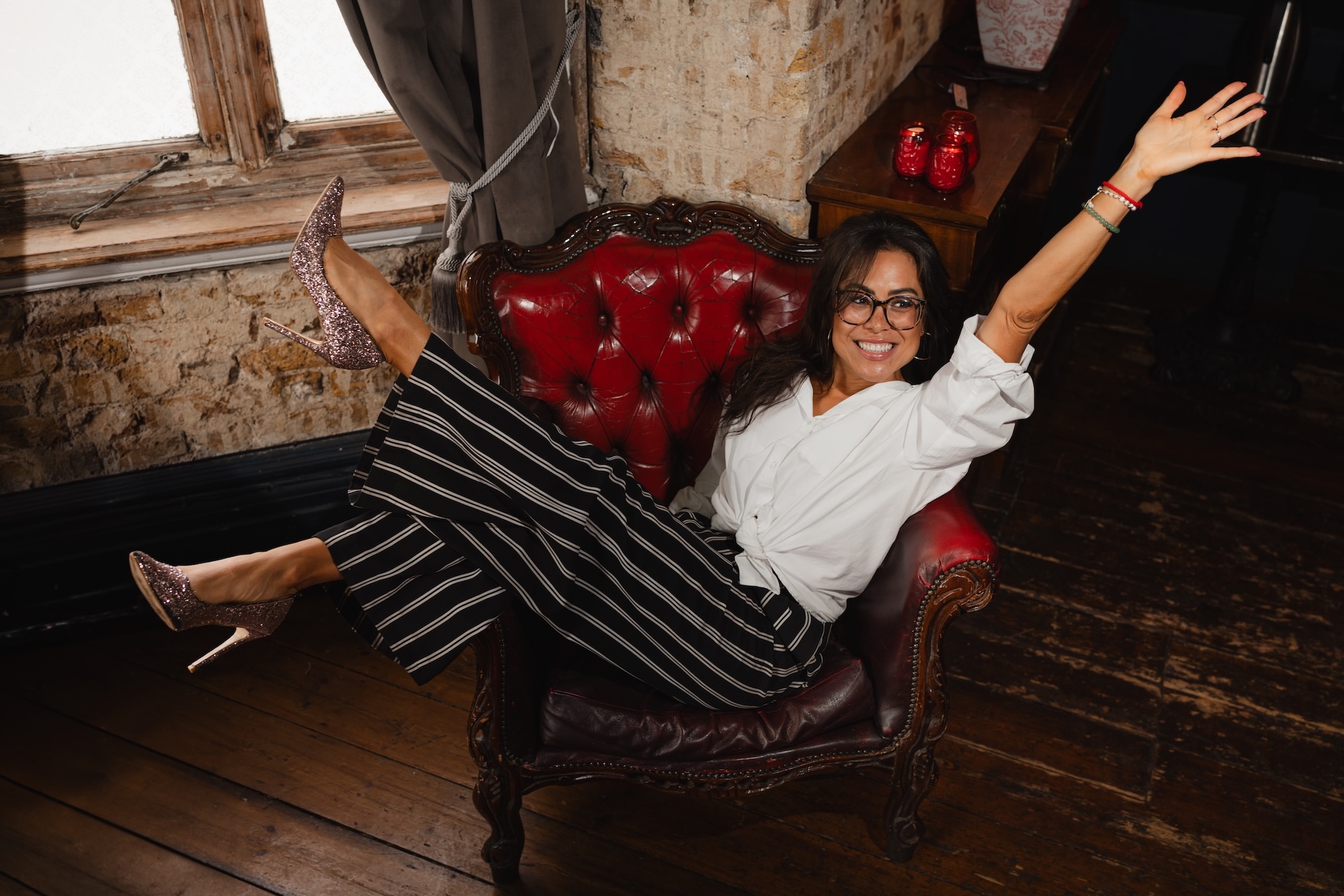

Bodybox London founder Klavdiia Zorina on the shift towards independent practice, and the kind of space it needs.
When I began my career, first as a make-up artist and later as a body-contouring therapist, I ran into a problem I could not solve. There was nowhere flexible and professional to work. If I wanted my own space, the only options were to sign a long lease I could not yet justify, or rent a chair or a back room on someone else’s terms. For years, I rented rooms wherever I could, including rooms above other businesses and a beauty bar. In the end I set up professional treatment rooms inside my own coffee shop venture, where other practitioners worked alongside me. That, though I did not call it this at the time, was the first version of what became Bodybox.
I tell that story because I see it played out, in one form or another, almost every day. Beauty and aesthetics is one of the fastest-growing parts of the economy, and it is largely built by women working for themselves. Practitioner numbers in the UK have grown by 437 per cent in recent years, according to a 2026 UCL study, and around 1.5 million women in this country now work for themselves. Yet the industry rarely gets the attention given to big retail and the high-street chains. It is booming, and it is doing so largely on its own terms, without much fanfare.
Why so many are going independent
The practitioners I work with have not drifted into self-employment by accident. They want control over their work, their hours and the experience they give their clients. What stops many of them is not talent, and it is not ambition. It is the practical reality of space: the cost and commitment of professional premises before the client base is there to support it.
In a tighter, more fractured economy, that risk looms larger than ever. A lease is a heavy thing to carry when you are starting out. So people look for another way.
A different model
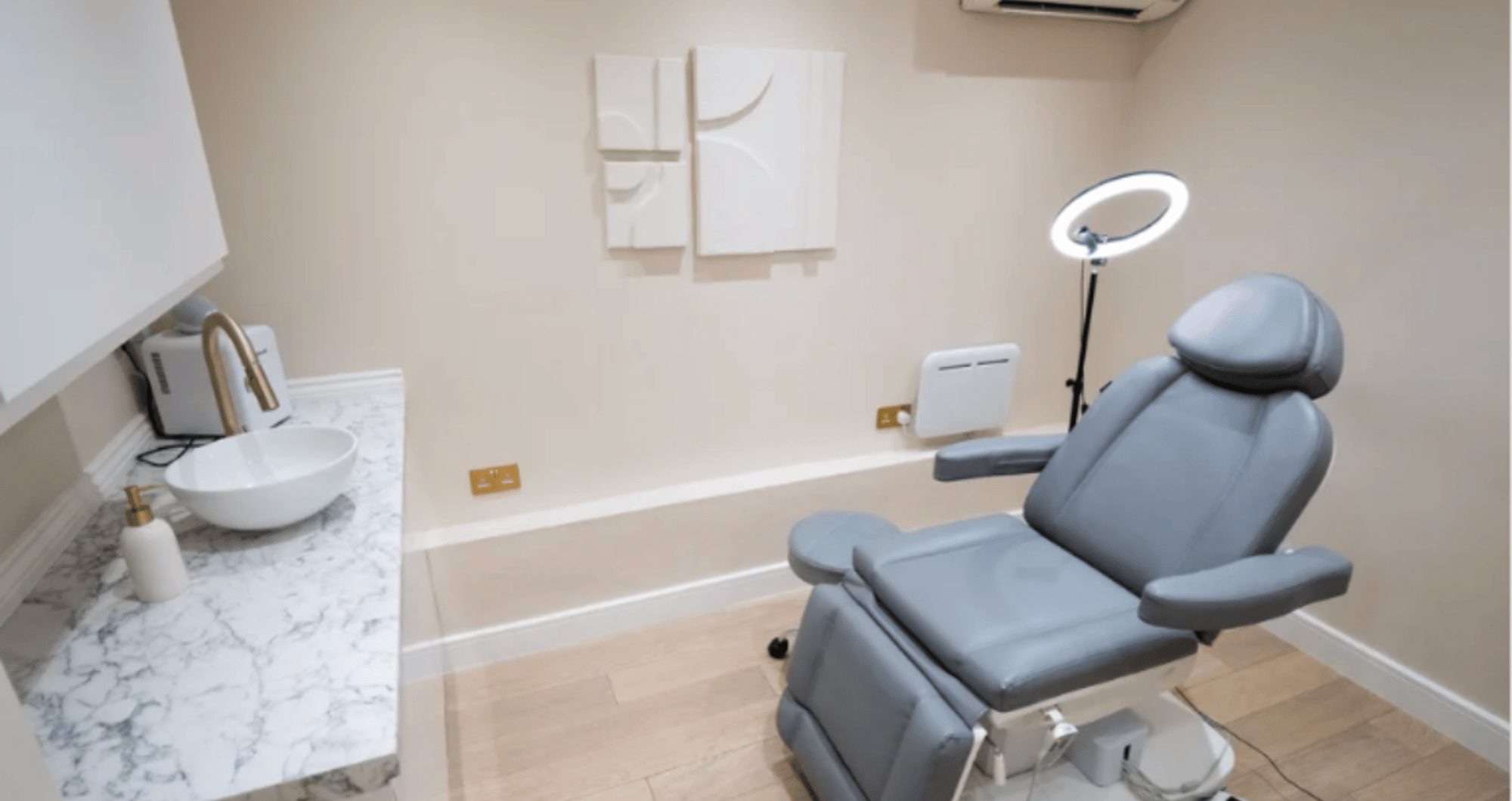
What I have built, and what I believe the industry increasingly needs, is flexibility. At Bodybox, practitioners rent a fully equipped, professionally managed treatment room by the hour or the day, with no long-term contract. They book through an app, let themselves in, and pay only for the time they use. Their overheads move with their diary instead of against it.
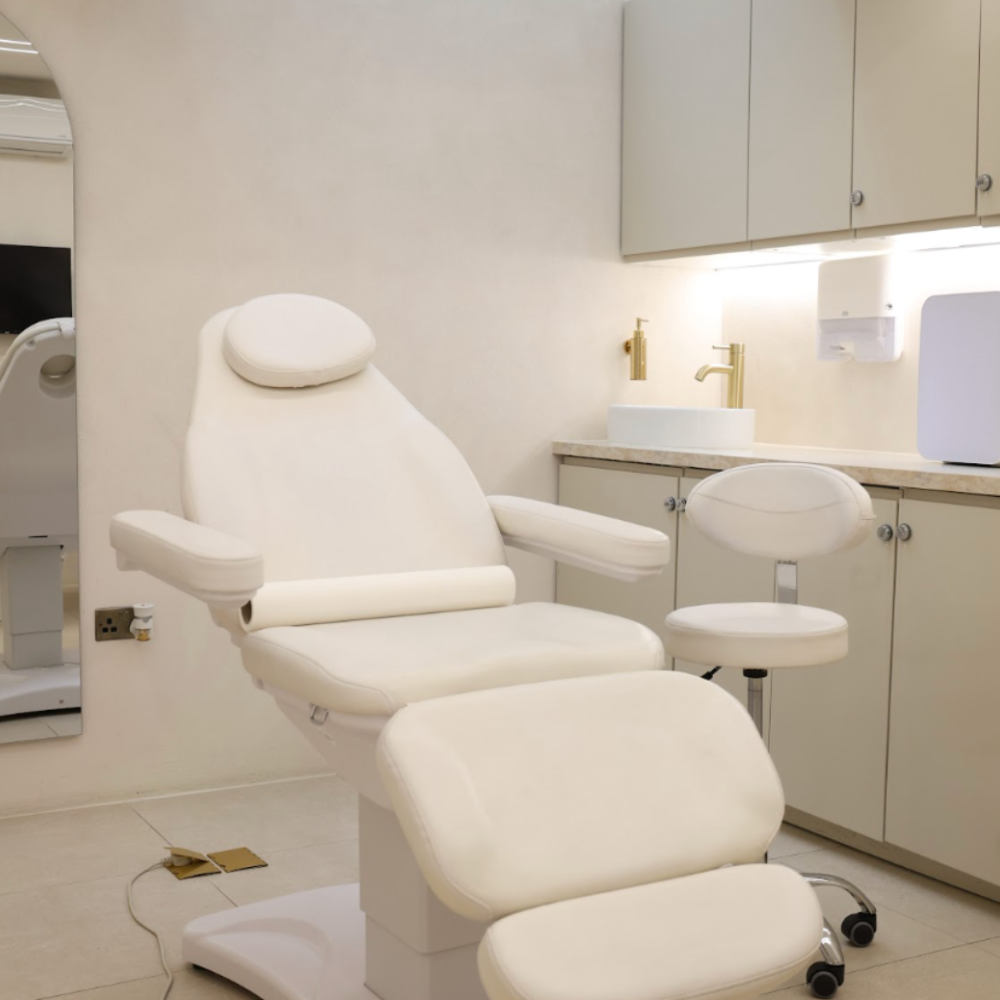
It means someone can test an idea without betting everything on it. It means a practitioner based outside London can rent a central room for a day a week to see city clients, without taking on a second lease. And it means the space itself is professional and clinical-grade, which matters enormously for how clients judge the work.
What I would tell anyone looking for space
If you are a practitioner weighing up flexible treatment rooms to rent in London or elsewhere, here is what I would look for:
- A central, well-connected location your clients can reach easily, with simple booking and access.
- Proper clinical provision, including clinical waste and sharps disposal handled as standard rather than left to you.
- Genuine flexibility: no long lock-in, clear pricing, and the ability to book by the hour or day.
- A professional, well-presented environment that reflects the standard you want your own name associated with.
Where this is heading
I do not think this shift is a passing trend. As more skilled people choose to work for themselves, and as the cost of fixed premises keeps rising, the demand for space that fits the way practitioners actually work will only grow. We have two sites in Central London, in Fitzrovia and King’s Cross, and a third location in development to meet that demand.
The treatment room, it turns out, is going the same way as the desk. For an industry built by independent, mostly female professionals, that is a change worth paying attention to.
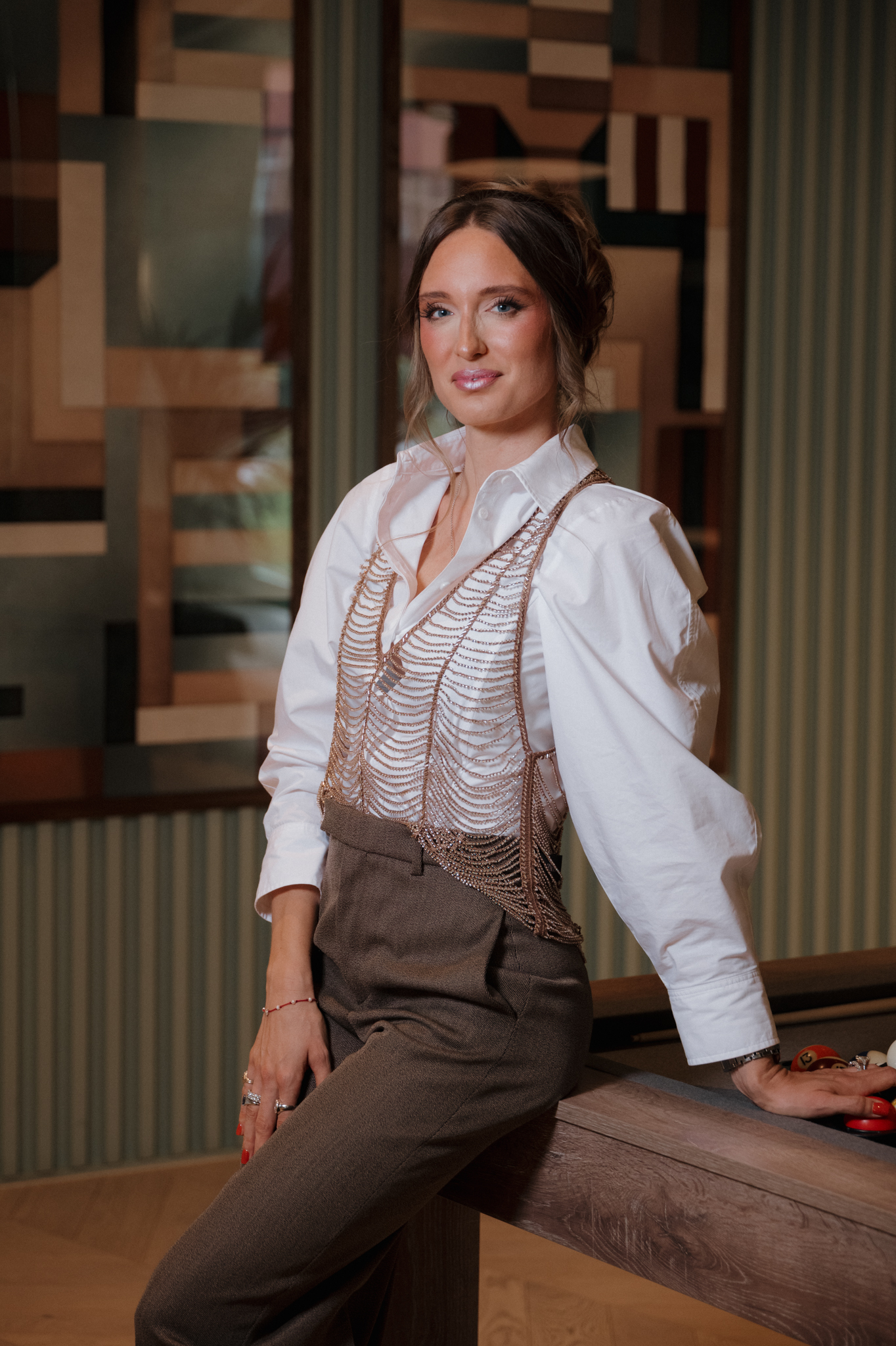
Klavdiia Zorina is the founder of Bodybox, which rents flexible treatment rooms by the hour across Central London. To find out more or book a tour, visit bodyboxlondon.com.