
- New data shows more than 70% of spiking victims still don’t report to police; among those who do, 0% say their perpetrator received a prison or community sentence.
- I GOT SPIKED puts young people inside an ordinary night out as it begins to take a turn, with audiences making choices and Twitch communities shaping the story live.
What happens when an ordinary night out starts to feel wrong? A new interactive awareness campaign launching in the UK today puts young people inside that moment and asks them to decide what happens next.
This year’s Crime and Policing Act includes a new, single offence that explicitly covers spiking. But new research from Stamp Out Spiking and Cardiff University shows that more than 70% of spiking victims still don’t report to police; among those who do, 0% say their perpetrator received a prison or community sentence.
Launching ahead of the festive season, I GOT SPIKED addresses that gap by putting young people inside an ordinary night out and asking them to decide what happens next.
Rather than simply watching, I GOT SPIKED asks its audience to make decisions that shape what happens next, ultimately affecting how the story ends. Viewers can try the interactive experience themselves and learn how to recognise the warning signs of spiking.
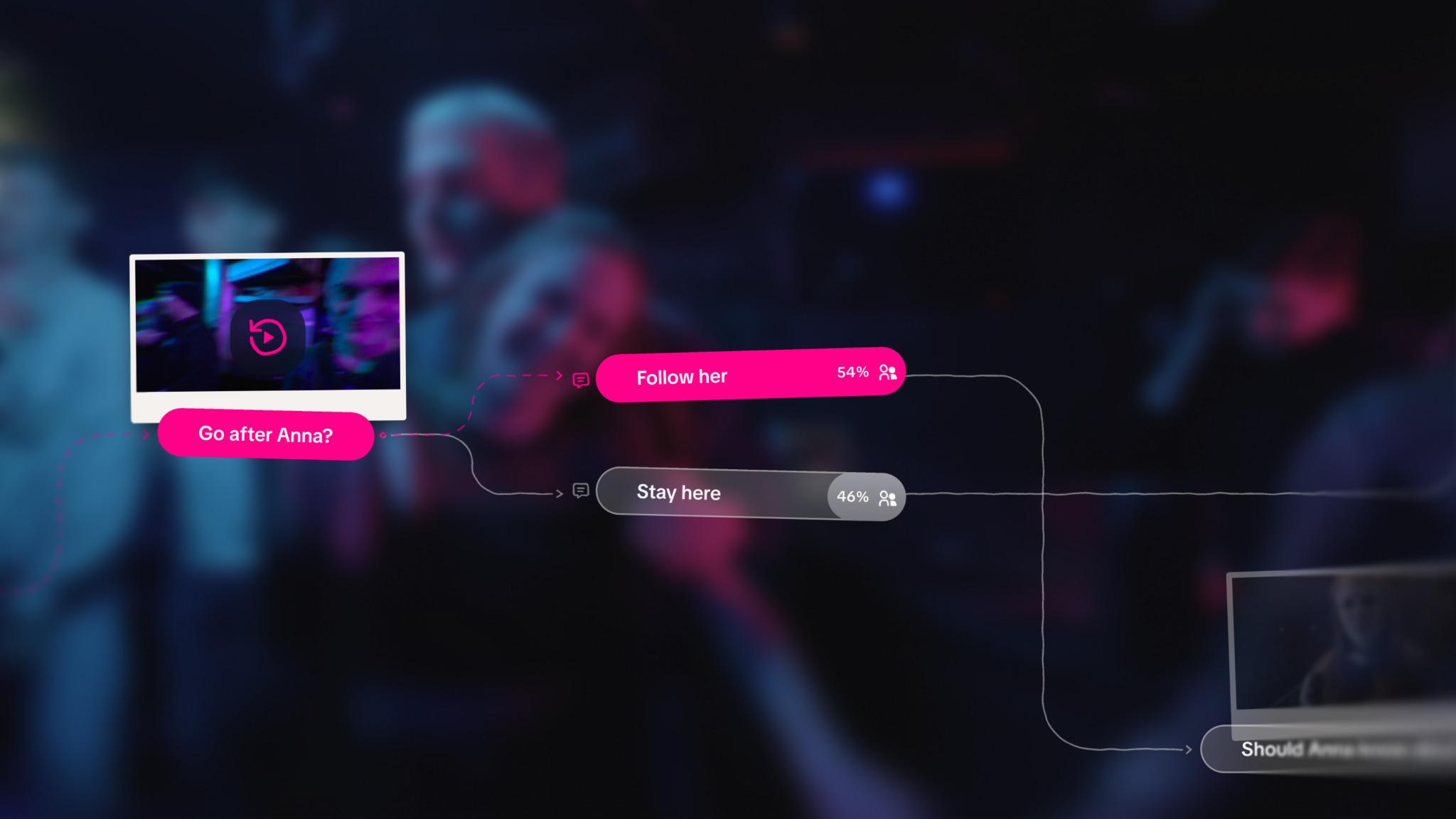
Twitch creators EvieSindorei, Harrie and Alyska will press play on a film they don’t control. Each time the main character Lisa’s night reaches a decision point, the film pauses and everyone watching has 25 seconds to vote. Whether Lisa takes a drink, goes after a friend or steps outside alone, the majority decides what happens next. The whole community discovers the consequences together.
Dawn Dines, Founder and CEO of Stamp Out Spiking, emphasises the critical need for bystander action this festive season:
“Seeing the law finally recognise spiking is so important, but legislation can’t tell you in the moment that something is wrong with your friend, or help you recognise that what looks like drunkenness may be something else.”
“We need to get better at looking out for one another. The responsibility for spiking always lies with the person who commits it, but friends, venues and the people around us can make a real difference by recognising when something isn’t right and knowing how to respond.”
The reality of spiking in the UK

The latest snapshot from Stamp Out Spiking and Cardiff University’s ongoing Victim’s Journey study, checked on 5 November 2026 and based on responses from 1,000 people, found that:
- 70.38% of victims did not report being spiked to the police; among those who did, 0% say their perpetrator received a prison or community sentence.
Published 2025 findings from the same ongoing research provide further context:
- 55% of survivors were aged 18–25, while only 24% noticed any physical sign that their drink had been tampered with.
- 91% of survivors were female, while more than 90% of incidents took place in licensed premises, including 38% in nightclubs and 27% in pubs.
Grounded in lived experience
Now a mother to a three-year-old daughter, Kirstie Logan-Townshend, who was spiked with GHB in a London pub around ten years ago, has since joined the board of Stamp Out Spiking because of her own experience. She says the charity’s work, including its focus on reaching groups that can be harder to reach, has given her the confidence to own her experience and advocate for better safety.
“I cannot go back and change what happened to me. I can, however, do something for her, and for every young person who walks into a bar expecting a good night out.”
Kirstie remembers holding her birthday cards before collapsing and hitting her head on the floor. The drug interacted with medication she takes for rheumatoid arthritis, causing a serious reaction that kept her in hospital for several days.
The aftermath was difficult. Colleagues questioned whether she had simply been drunk, the venue was unhelpful, and her report to the police went nowhere because there was no identifiable suspect. She lost confidence, stopped drinking for over a year, and remains wary of accepting drinks from other people.
Kirstie is available for interviews to talk about her experiences.
Spotting the Signs & Taking Action
This initiative urges all partygoers and venue staff to learn the warning signs of spiking and take immediate steps if someone appears at risk:
Warning Signs to Watch For
- Sudden confusion, disorientation, or slurred speech disproportionate to alcohol consumed.
- Loss of balance, loss of coordination, or difficulty standing.
- Nausea, dizziness, sudden drowsiness, uncharacteristic behaviour or lowered inhibitions.
- Visual disturbances, confusion, or loss of consciousness.
What To Do on a Night Out
- Stay with your friend: Never leave someone suspected of being spiked alone or with people they do not know well.
- Inform venue management: Report the situation immediately to bar staff or security.
- Seek urgent care: Call 999 or visit the nearest emergency department if symptoms worsen rapidly or if the person becomes unresponsive.
- Report the crime: Report the incident to police as early as possible to assist with early testing and investigation.
I GOT SPIKED can be played at any time at www.igotspiked.com, alone or with friends. The site also brings together practical guidance on recognising the signs of spiking, what to do if it happens and where to get help.
I GOT SPIKED was developed for Stamp Out Spiking, by KNSK and Stunning Studio with interactive technology powered by Choiz.io.