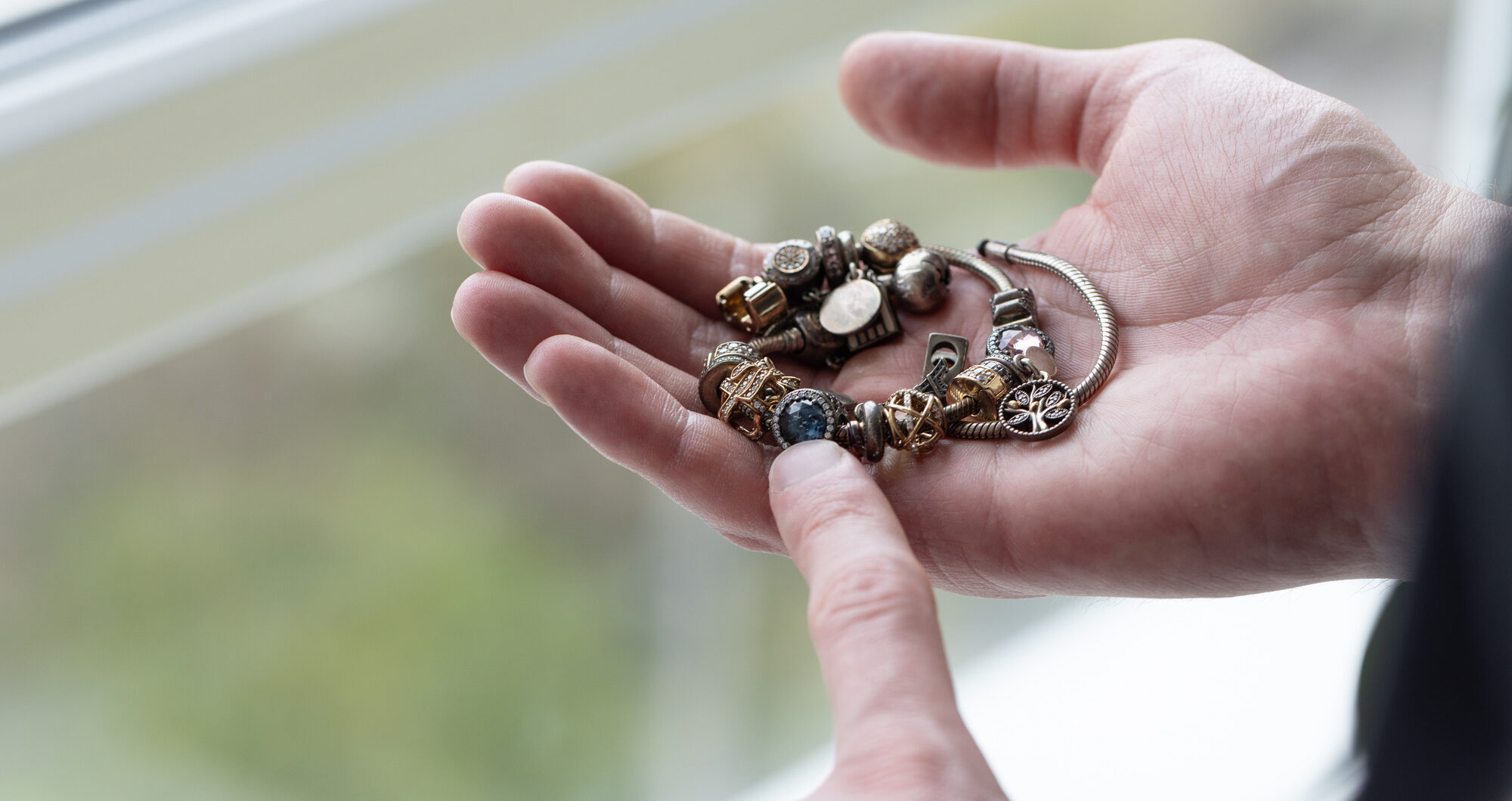

From spraying perfume while wearing your necklace to storing jewellery in the bathroom, a professional jeweller reveals the common mistakes that could be dulling your favourite pieces
Many people assume tarnished jewellery is simply a sign that a piece is old or worn out. But in reality, everyday habits could be speeding up the process without you even realising.
Whether it’s spraying perfume onto your necklace before work, leaving rings on while washing your hands, or storing jewellery in a steamy bathroom, small daily actions can gradually cause pieces to lose their shine and become discoloured.
It’s a concern many Brits appear to share, with searches for “jewellery cleaner” climbing 43% year-on-year to 28,000 searches last month alone, while searches for “tarnished jewellery” have jumped 88% over the past year.
Jeremy Hinds, Jewellery Expert at F. Hinds, says tarnishing is often caused by exposure to moisture, chemicals and products that come into contact with jewellery every day.
Here, Jeremy explains the most common reasons jewellery tarnishes, and what you can do to keep your favourite pieces looking their best.
Why does jewellery tarnish?
“Many people think tarnishing means their jewellery is damaged, but in most cases it’s simply a natural reaction between the metal and the environment around it.
“Exposure to moisture, air, sweat, beauty products and household chemicals can all contribute to tarnishing over time. Some metals, particularly sterling silver, are naturally more prone to tarnishing than others. While pure gold itself doesn’t tarnish, most gold jewellery is made from a mixture of gold and other metals, which can react to moisture, air and everyday products in the same way as silver jewellery.
“For example, 9ct gold, which is what most people own, is made up of 37.5% pure gold and 62.5% other metals; normally mostly silver. Therefore, our advice for silver set jewellery also applies to gold jewellery as well.
“While you can’t completely stop tarnish from occurring, there are several simple habits that can significantly slow the process down.”
Sunlight could be ageing your jewellery faster
“Many people leave jewellery on windowsills, dressing tables or beside mirrors without thinking twice about it. However, prolonged exposure to direct sunlight and heat can impact certain gemstones, weaken adhesives used in some pieces and contribute to discolouration over time.
“Jewellery is best stored in a cool, dry place away from direct sunlight when it isn’t being worn.”
Perfume could be damaging your jewellery
“One of the most common mistakes people make is applying perfume while wearing their jewellery.
“Perfume contains ingredients that can react with metal surfaces and leave behind residue, particularly on necklaces, bracelets and earrings. Over time, this can dull their appearance and contribute to discolouration.
“The best approach is to apply perfume, moisturiser and other beauty products first, allow them to dry, and then put your jewellery on afterwards. Make jewellery the last thing you put on before leaving the house and the first thing you take off when you get home.”
Your bathroom may be the worst place to store jewellery
“Many people keep jewellery in the bathroom because it’s where they get ready each morning. Unfortunately, it’s also one of the worst places to store it.
“Regular exposure to steam and humidity can encourage tarnishing, particularly on silver jewellery. Even if your pieces aren’t getting wet directly, the moisture in the air can still have an impact.
“Instead, store jewellery in a cool, dry place away from direct sunlight. Individual jewellery pouches or airtight containers can help slow tarnishing by limiting exposure to air and moisture.”
Leaving rings on while washing your hands
“Handwashing is something we all do several times a day, but repeatedly exposing rings to water, soap and hand cream can gradually affect their appearance.
“Soap residue can build up around settings, while moisture trapped underneath rings can contribute to dullness and discolouration over time.
“If possible, remove rings before washing your hands, cleaning or applying hand cream.”
Sweat can affect jewellery more than people realise
“During warmer weather, jewellery is exposed to far more sweat than usual.
“Sweat contains salts and natural oils which can react with certain metals and speed up tarnishing. This is one reason people often notice jewellery looking duller after summer.
“If you’ve been wearing jewellery regularly during hot weather, it’s worth giving it a gentle clean before storing it away.”
Sleeping in jewellery can make tarnishing worse
“Many people never remove their jewellery, particularly sentimental pieces such as engagement rings or necklaces.
“However, jewellery is exposed to sweat, natural skin oils and friction while you sleep. Over time, this can contribute to tarnishing and general wear.
“Removing jewellery before bed gives both the piece and your skin a chance to breathe.”
How to keep jewellery looking its best
“Regular cleaning and proper storage are the best ways to slow down tarnishing.
“For most jewellery, a gentle clean using warm water, mild washing-up liquid and a soft cloth can help remove everyday dirt and residue.
“Gold and silver cleaning cloths can also be a useful way to maintain shine between cleans, as they contain polishing agents specifically designed for jewellery and can help remove light surface tarnish.
“If a piece has become heavily tarnished, contains gemstones or has sentimental value, it’s always worth seeking professional advice before trying stronger cleaning methods at home.”
Jeremy Hinds adds: “Tarnishing is a completely normal part of owning jewellery, but simple changes to your daily routine can make a huge difference.
“Most people are surprised to learn that everyday things such as perfume, steam, sweat and hand cream are often the biggest culprits. A little extra care can help keep your favourite pieces sparkling for much longer.”