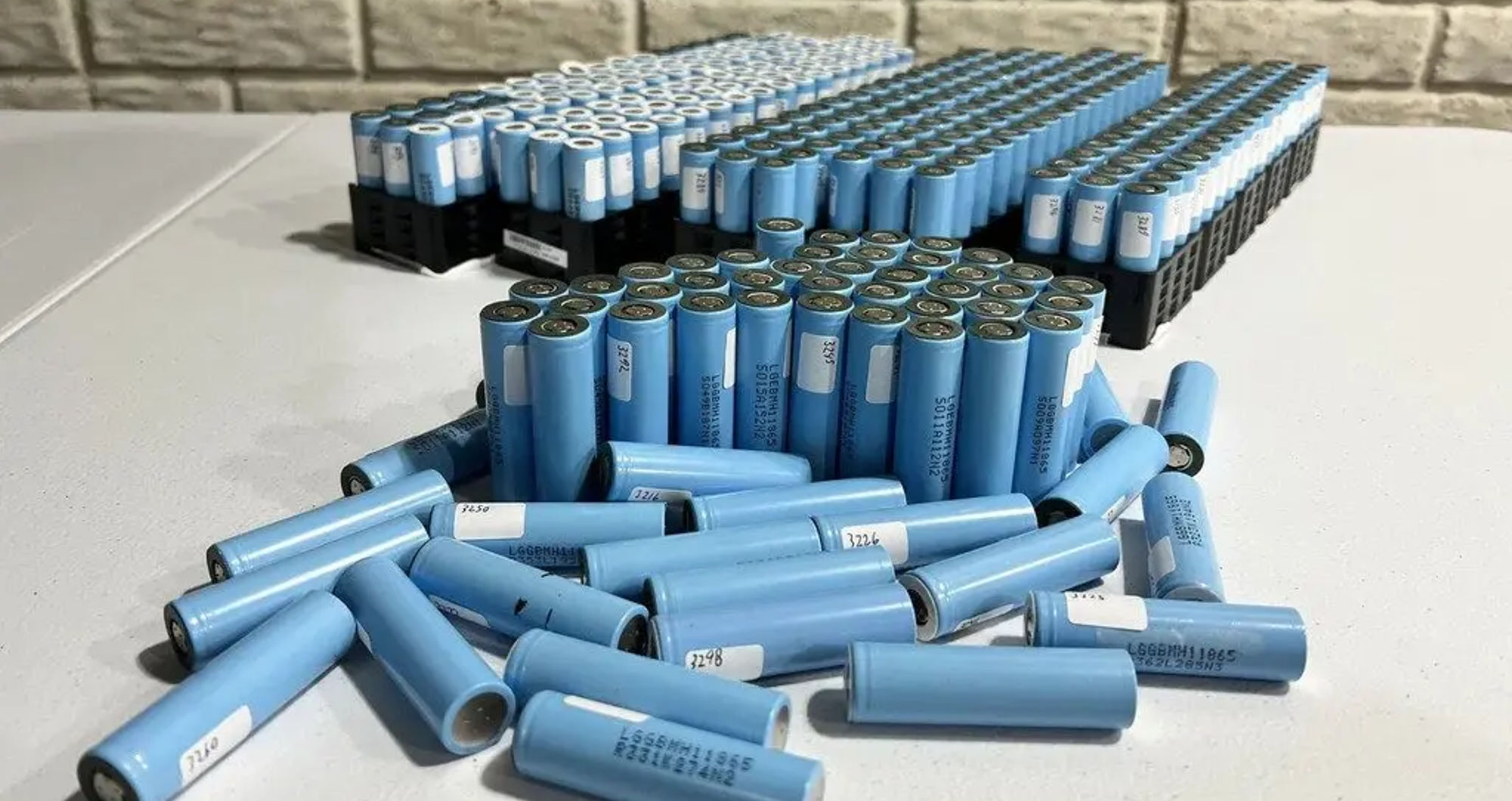

LCO batteries are a type of lithium-ion battery commonly used in portable electronics. The name LCO stands for lithium cobalt oxide, which refers to the battery’s cathode material. These batteries are known for their strong energy density, which means they can store a lot of power in a small, lightweight format.
Because of that, LCO batteries have been widely used in cell phones, laptops, tablets, cameras, medical devices, handheld electronics, and other compact rechargeable products. They helped make modern portable electronics smaller, lighter, and easier to use.
But like all batteries, LCO batteries eventually wear out. When they stop holding a charge, become damaged, or are removed from old electronics, they should be handled carefully and recycled through the proper process.
What Is an LCO Battery?
An LCO battery is a rechargeable lithium-ion battery that uses lithium cobalt oxide as the main cathode material. The cathode is one of the most important parts of the battery because it plays a major role in performance, energy storage, and battery chemistry.
Inside an LCO battery, lithium ions move between the cathode and anode during charging and discharging. The anode is usually made with graphite, while the battery also contains electrolyte, separators, copper, aluminium, casing, and safety components.
This design allows LCO batteries to provide dependable power in a compact package. That is why they became common in devices where size and weight matter.
Why LCO Batteries Are Common in Electronics
LCO batteries are often used in devices that need steady power but also need to remain lightweight. A smartphone, laptop, or camera battery must fit into a small space while still delivering enough energy for daily use.
That is where LCO chemistry became useful. It offers high energy density, which helps devices run longer without requiring a much larger battery. However, LCO batteries are not the best fit for every application. They are typically more common in smaller electronics than in larger systems that require long cycle life, heavy-duty performance, or high power output.
Why LCO Batteries Should Be Recycled
LCO batteries contain materials that should not be wasted. Cobalt, lithium, copper, aluminum, graphite, and other components may be recovered or directed into proper material processing streams.
Recycling is important because cobalt is a valuable battery material. When LCO batteries are thrown away, the materials inside are lost to the waste stream instead of being managed responsibly.
LCO battery recycling also helps prevent old batteries from piling up in drawers, offices, storage rooms, repair shops, and electronics waste piles. A dead battery may seem harmless, but it can still contain stored energy and internal materials that need proper handling.
How to Handle LCO Batteries Before Recycling
Used LCO batteries should be stored in a cool, dry, and controlled area. They should not be thrown into regular trash, mixed with loose metal, crushed, punctured, or exposed to heat.
If the battery is swollen, leaking, cracked, burned, unusually hot, or damaged, it should be kept separate from other batteries. Damaged lithium-ion batteries should not be opened, pressed flat, taped into random bundles, or forced back into a device.
For electronics with built-in batteries, the full device may need to be recycled as electronic waste if the battery cannot be safely removed.
How LCO Battery Recycling Works
LCO battery recycling usually begins with collection, sorting, and identification. Batteries are separated by chemistry and condition before being processed.
During recycling, batteries may be mechanically broken down, thermally treated, or processed through chemical methods depending on the facility and battery type. The goal is to recover useful materials and manage the remaining components properly.
Cobalt, copper, aluminium, and other materials may be separated for further processing. This helps reduce waste and supports better use of materials already found in old electronics.
Final Thoughts
LCO batteries are an important part of modern portable electronics. They provide strong energy density in a small package, which makes them useful for phones, laptops, cameras, tablets, and many other devices.
At the end of their life, they should not be treated like ordinary trash. LCO batteries contain valuable materials, stored energy, and complex internal components that require proper handling.
The best approach is simple: identify the battery, check for damage, store it safely, and recycle it through the correct process. With the right handling, LCO batteries can move from outdated electronics into a more responsible recycling stream.