
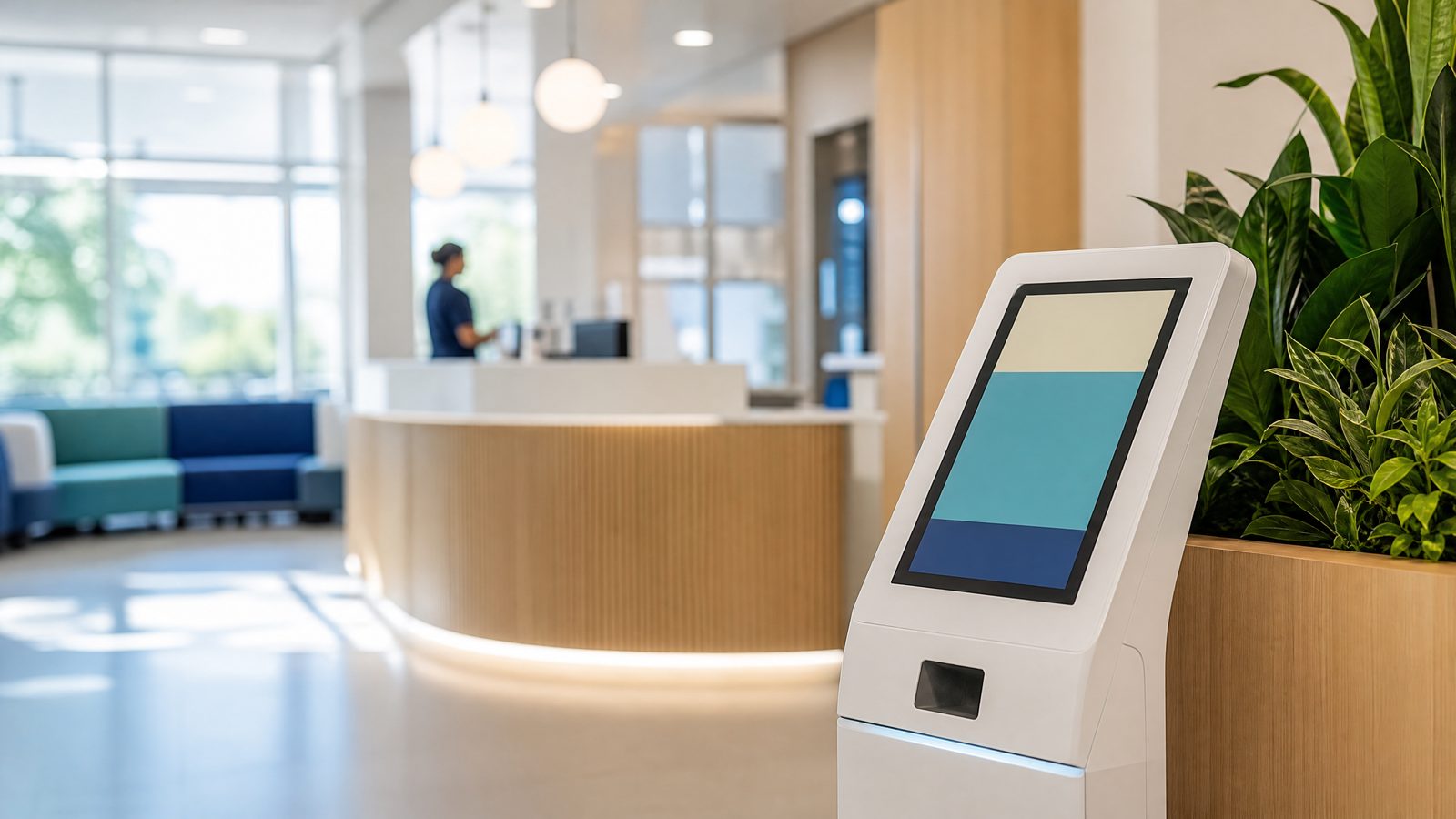

Healthcare services across West London have reached a significant milestone with the official launch of a new digital Patient Service Centre. This collaborative initiative, introduced by Imperial College Healthcare NHS Trust in partnership with The Hillingdon Hospitals NHS Foundation Trust, represents a major step forward in how hospital services are managed and accessed by the public. As part of the wider North West London Acute Provider Group programme, the new centre is designed to modernise the patient experience by creating a more unified and responsive system for handling healthcare needs outside of direct clinical treatment.
The introduction of this service addresses a long-standing challenge in large-scale hospital management: the complexity of coordinating care across multiple sites and departments. By centralising administrative functions, the two Trusts aim to provide a more consistent level of service for residents who rely on these major West London institutions. The Patient Service Centre serves as a central hub where the administrative aspects of a patient’s journey are handled with greater oversight and efficiency than was previously possible under more fragmented systems.
Advanced Technology and Integrated Communication
At the heart of this new initiative is a sophisticated technological framework designed to streamline interactions between patients and hospital staff. The centre utilises the Patient Relationship Management solution provided by Netcall, a platform specifically built to handle the complex requirements of modern healthcare administration. This system is further enhanced through integration with Liberty Converse contact centre technology, ensuring that the infrastructure supporting the centre is both robust and capable of handling high volumes of enquiries across multiple different platforms.
One of the primary features of this digital hub is the creation of a single point of contact for patients. In the past, managing hospital appointments or seeking information about follow-up care often required navigating different departments or contact numbers. The new system simplifies this process significantly. Patients can now interact with the hospital trusts through their preferred method of communication, whether that be traditional telephone calls, email, or modern digital channels such as web chat and messaging services. This multi-channel approach ensures that the service remains accessible to all members of the community, regardless of their technological preferences or specific needs.
For the staff operating the Patient Service Centre, the integrated technology provides a comprehensive, real-time view of all patient interactions. This means that regardless of whether a patient previously sent an email or called the centre, the staff member assisting them has immediate access to the full history of those communications. This visibility is crucial for providing accurate information and ensuring that no patient request is overlooked. Furthermore, the platform automates many routine administrative tasks, allowing staff to focus their attention on more complex patient needs that require direct human intervention and problem-solving.
Impact on Patient Care and Future Development
The practical benefits of this new digital hub are already becoming evident in the early stages of its operation. By reducing the administrative burden on individual hospital departments, the Patient Service Centre has contributed to faster response times for patient enquiries. This improvement is particularly important for those managing chronic conditions or recovering from surgery, where timely information regarding appointments and follow-up care can significantly reduce stress and improve the overall experience of the healthcare system. The reduction in administrative pressure also allows clinical staff to dedicate more of their resources to direct patient care, rather than being occupied by scheduling and basic information requests.
The launch of the centre is overseen by key officials who have been instrumental in its development. Daniel Pass, representing Imperial College Healthcare NHS Trust, and John Wintour-Pittom, from the North West London Acute Provider Group, have played central roles in ensuring the project meets the high standards required for public healthcare in the capital. Their coordination highlights the importance of cross-trust collaboration in addressing the logistical challenges faced by the NHS in urban environments like West London.
Looking ahead, the Trusts have outlined an ambitious roadmap for the continued evolution of the Patient Service Centre. The current focus on streamlining appointments and enquiries is just the beginning of a broader strategy to enhance digital healthcare. Plans include the implementation of proactive outreach programmes, where the system can identify and contact patients who may require additional support or reminders regarding their care. Additionally, the integration of predictive insights will allow the Trusts to anticipate periods of high demand and adjust their resources accordingly.
The long-term vision for the centre also involves the expansion of virtual care services. By leveraging the existing digital infrastructure, the Trusts aim to provide more options for remote consultations and monitoring, further reducing the need for patients to make physical trips to the hospital when it is not clinically necessary. This focus on digital innovation ensures that the healthcare infrastructure in West London remains resilient and capable of meeting the evolving needs of its diverse population. As the Patient Service Centre continues to develop, it will remain a central component of the Trusts’ commitment to providing accessible, efficient, and patient-centred care for all Londoners.







