
The political landscape of Lewisham has undergone a significant transformation following the local elections in May 2026. Liam Shrivastava, a former Labour councillor, made history by becoming the borough’s first Green Party Mayor. This shift was not limited to the executive office; the local council saw a dramatic change in its composition, with 40 Green councillors now representing 18 of the 19 wards across the borough. As Mayor Shrivastava marks his first 100 days in office, the administration has moved quickly to implement a series of policies that signal a departure from previous governance styles, focusing on social justice, environmental management, and local autonomy.
The first three months have been defined by a focus on re-evaluating how the council interacts with national government directives and regional housing strategies. The administration has sought to establish a new framework for local priorities, emphasising the protection of residents and the provision of affordable living spaces. These early actions suggest a long-term strategy aimed at reshaping the borough’s social and physical infrastructure, responding to the specific needs of the South London community. The transition from a traditional political structure to one dominated by the Green Party has brought a new set of priorities to the forefront of local debate, particularly concerning the relationship between the borough and wider government bodies.
Challenging Regional and National Policies
One of the most significant shifts under the new leadership involves the council’s stance on immigration enforcement. Lewisham has passed a formal motion to review its relationship with Home Office operations within the borough. The council has stated its intention to refuse assistance in immigration raids wherever it is legally possible to do so. This policy is part of a broader ambition to coordinate with neighbouring local authorities to create a network of boroughs that resist such actions, often described as a corridor of opposition to raids. By establishing this position, the council aims to provide a different approach to community safety, prioritising the stability of local neighbourhoods and the trust of residents over national enforcement actions. This move represents a clear attempt to assert local control over how national policies are applied within the borough’s boundaries.
In addition to its stance on immigration, Lewisham has taken a firm position on housing, a critical issue for many Londoners. The council has joined a High Court challenge alongside the boroughs of Hackney and Tower Hamlets. This legal action targets the Mayor of London’s housing policy, specifically the decision to reduce affordable housing targets from 35 per cent to 20 per cent. By participating in this challenge, Lewisham is advocating for a higher threshold of affordability in new developments, arguing that the reduction undermines the ability of residents to remain in their communities. This move highlights a growing tension between borough-level priorities and regional planning decisions, as local leaders seek to protect the interests of those who are most affected by the rising cost of living in the capital.
Improving Local Services and Environment
On a more local level, the ‘Love Lewisham’ campaign has been a central pillar of the administration’s first 100 days. The initiative focuses on the immediate environment of the borough, specifically addressing the issue of fly-tipping, which has long been a concern for residents. Since May, the council has cleared approximately 11,000 incidents of illegally dumped waste. This effort is supported by the introduction of new waste crews and the strategic use of CCTV to monitor hotspots and deter offenders. To manage the cost of waste disposal and encourage responsible behaviour, a five-pound fee for bulky waste has been implemented. At the same time, enforcement has been stepped up, resulting in over 65 fines being issued to date. The goal is to create a cleaner urban environment through a combination of service improvements and stricter penalties for those who damage the local area.
The council is also taking steps to secure the borough’s housing stock and protect tenants in the private sector. A new Rogue Landlord Taskforce has been established to oversee the implementation of the Renters’ Rights Act, providing a dedicated resource to handle disputes and ensure that housing standards are met across the borough. Furthermore, the administration has begun a program to buy back 74 homes that were previously sold under the Right to Buy scheme. This initiative is designed to return these properties to the social housing sector, increasing the council’s capacity to house those on the waiting list and ensuring that public assets are used for the benefit of the community. This buy-back program is a key part of the council’s strategy to address the housing shortage from multiple angles.
Social welfare has also seen a reversal of previous trends, with the administration choosing to restore 200,000 pounds in funding for children’s services that had been previously cut. This reinvestment suggests a priority shift toward early years support and family services, recognising the long-term benefits of investing in the borough’s younger residents. Additionally, the council is actively campaigning for greater powers to regulate gambling within the borough, reflecting concerns about the impact of betting shops on local high streets and the well-being of vulnerable residents. These efforts demonstrate a commitment to using all available local powers to influence the social environment of Lewisham.
Food Justice and Community Engagement
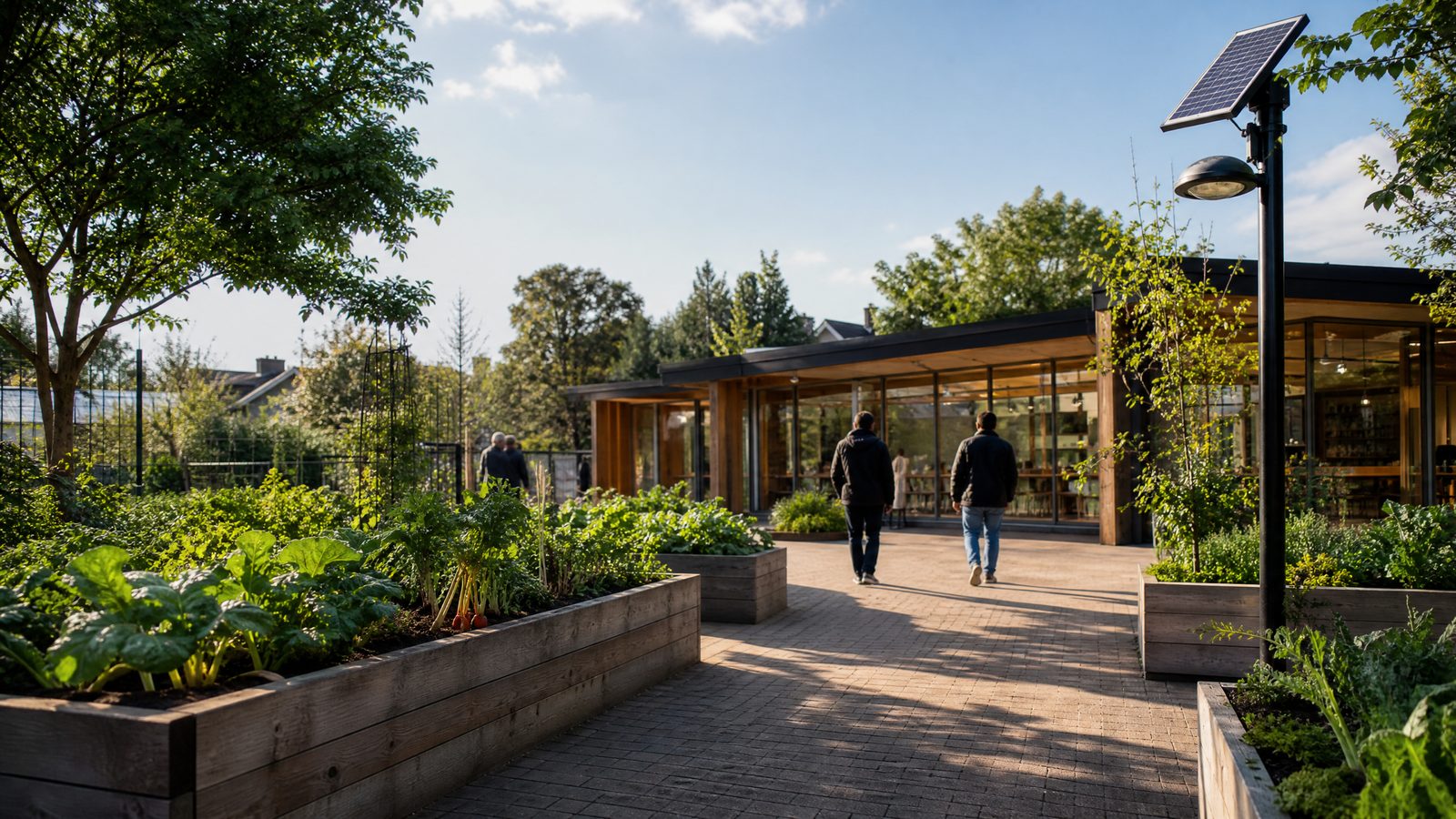
Mayor Shrivastava has introduced a personal element to his policy agenda by focusing on food justice, a concept that links food security with broader social equity. He has committed to donating 20 per cent of his mayoral allowance to support local initiatives in this field. This includes a community meal program in New Cross, which provides direct support to residents facing food insecurity. The long-term vision for this policy involves the creation of a food justice hub, which would combine a social supermarket with a community kitchen. This facility is intended to provide a sustainable way for residents to access affordable food while also offering a space for community interaction, education, and skill-sharing. By focusing on food justice, the administration is addressing one of the most immediate pressures on local families.
The cultural and economic life of the borough has also been supported through initiatives like the Sydenham Night Market, which now runs every Friday. These markets provide a platform for local vendors to sell their goods and serve as a gathering point for the community, contributing to the local economy and the social fabric of the area. The success of such events is seen as a way to revitalise high streets and bring people together in a positive environment. As the administration moves beyond its first 100 days, the combination of high-level legal challenges and grassroots community programs sets a clear direction for the borough’s future. The focus remains on balancing large-scale policy shifts with practical improvements that affect the daily lives of Lewisham’s residents.