
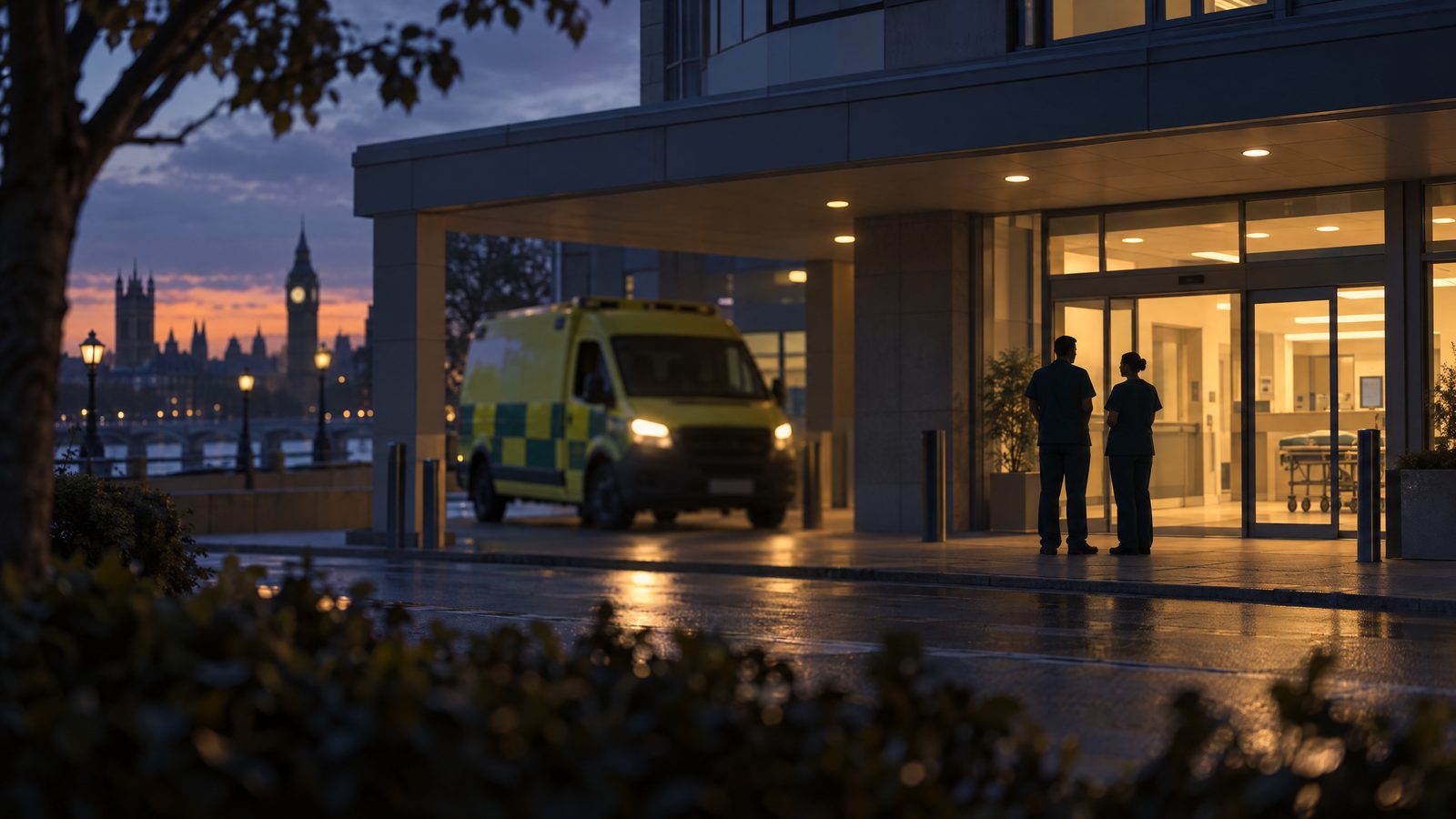

London ambulance workers reported 462 incidents of sexual abuse in the year from July 2025 to July 2026, prompting a public campaign by the service against behaviour directed at crews and emergency call handlers.
The reported incidents included sexual threats, groping, indecent exposure, explicit comments and sexual violence. Almost a third of the reports came from call handlers who were abused by callers while trying to help them over the phone. The figures count reports received by the service, not a measure of every incident experienced: managers say many more may go unreported.
The campaign, “We show up. Show some respect”, uses ambulance CCTV and body-worn camera footage to show sexualised comments and inappropriate touching during attempts to provide care. Some recorded material was too graphic for public release. The footage’s purpose is to make visible conduct that staff can face while carrying out emergency work, rather than to suggest that every interaction with a patient is unsafe.
The figures sit alongside wider staff-survey findings. Almost two-thirds of women working on ambulances said they had experienced unwanted sexual behaviour from patients, service users, relatives or other members of the public during the previous 12 months. More than one in five frontline ambulance colleagues who reported unwanted sexual behaviour in the national staff survey said it had happened at least three times in that period. These survey measures differ from the service’s 462 incident reports: they describe staff responses about experience, not an additional count of verified offences.
Abuse can affect emergency care as well as workers. Crews may be taken off the road and call handlers away from their stations, potentially delaying assistance to other patients. That is a possible operational consequence, not a quantified estimate of delays. The service is asking the public to challenge abusive conduct when it is safe to do so and to provide evidence if police ask for it.
Its Violence Reduction Unit supports staff after an incident, helps gather evidence and liaises with police and prosecutors as cases progress. Ambulances have CCTV and audio-recording equipment, while staff can wear body-worn cameras. The service also reviews reports to look for patterns and repeat offenders, using those findings to inform prevention and support.
An earlier criminal case illustrates how repeat targeting can be detected. A paramedic reported being groped while assessing a patient who then refused further care. On reading his notes, she found that he had sexually assaulted another paramedic earlier the same day after refusing treatment. She contacted police, and the man was jailed for 18 weeks for sexual assault in March 2026. The case is an example, not evidence that every report results in prosecution.
The campaign also comes amid national staff-survey findings on unwanted sexual behaviour and a strengthened law intended to protect women from sex-based harassment. The service intends to work with police where a crime has been committed and press for prosecution. Its message is that sexualised comments, threats, touching and exposure are abuse, not an accepted part of ambulance work.







