
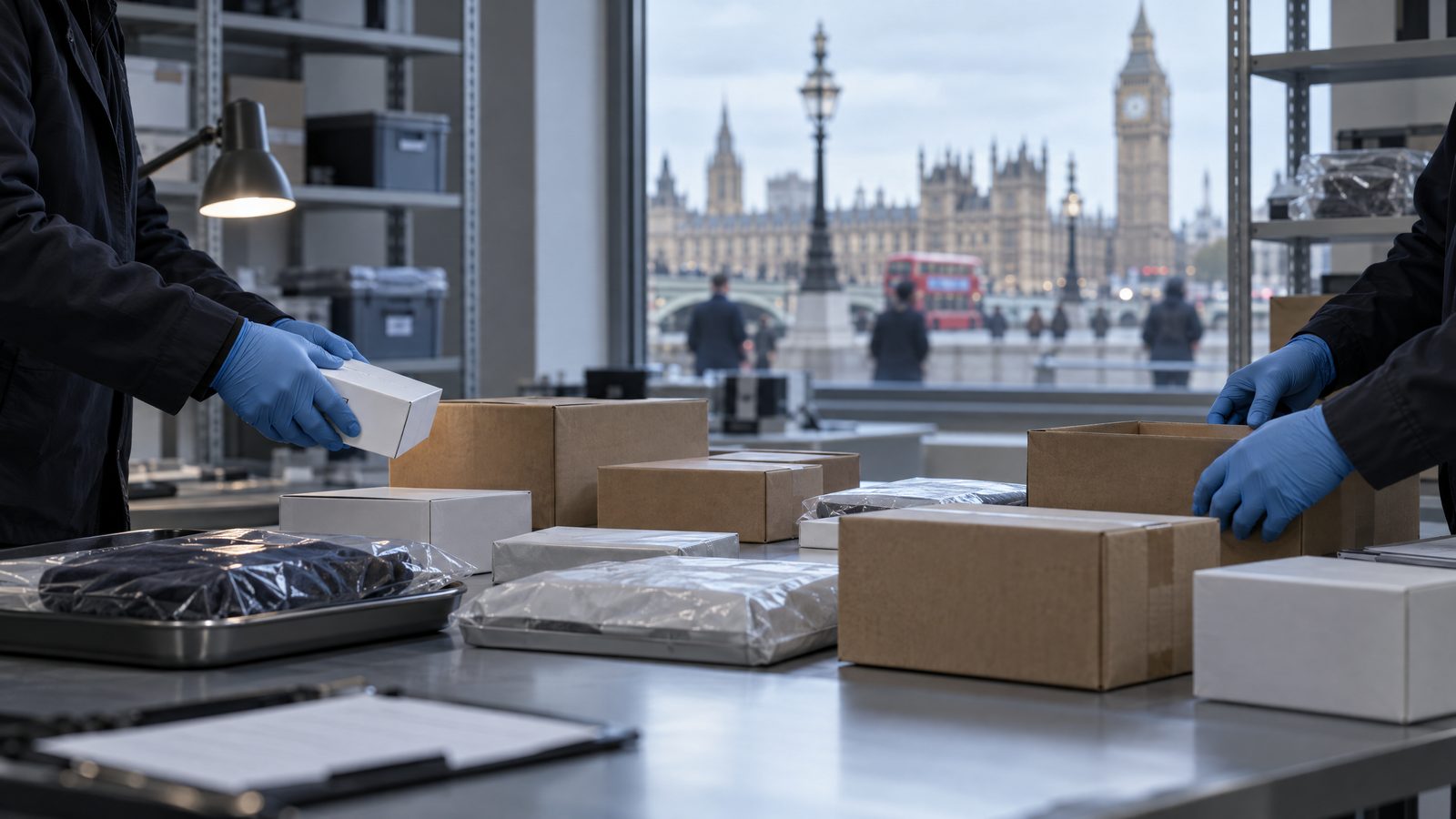

A two-week Metropolitan Police operation targeting businesses suspected of buying and reselling stolen goods resulted in 42 arrests and closure notices for 11 shops, the force said on 22 October. Officers visited around 400 shops across London and seized stock valued at tens of thousands of pounds. The goods, which included cosmetics, electrical items and food, remain suspected stolen property; the figures do not establish guilt or a conviction.
The operation, named Zoridon, also focused on car-boot sales suspected of being used to sell stolen tools. In Hounslow, officers made three arrests and seized five pallets of tools suspected of being stolen, as well as counterfeit Dyson products. The police issued warning notices to organisers of car-boot sales for the first time, saying organisers could face criminal liability if they knowingly facilitated or ignored the sale of stolen, counterfeit or illicit goods.
How the operation targeted resale
Police described the work as an effort to disrupt the market at both ends: people suspected of stealing goods to order and businesses suspected of buying and reselling them. Before the two-week deployment, months of joint work involving police, retailers and Trading Standards helped identify businesses suspected of handling stolen goods.
Retailers identified products they said were frequently targeted by thieves. Some were marked with a forensic code visible under ultraviolet light, intended to help officers connect recovered items with the stores from which they had been taken. The force said intelligence indicated that prolific shoplifters were targeting particular products requested by buyers. That account describes the police assessment of a suspected supply chain, rather than a finding against every visited shop or arrested person.
Individual checks and searches produced a range of outcomes. In Lewisham, a licensing check on 19 October led officers to suspected stolen tinned mackerel. Further searches uncovered a machete and suspected stolen passports and driving licences stored in a tin. Two suspects were arrested for offences including handling stolen goods and possession of an offensive weapon.
At a Clapham retail premises, two arrests followed a licensing check on 19 October. Officers recovered branded meat products valued at £1,000, two knives and what the police described as a large quantity of Class B drugs. In Brixton, a warrant at a mobile-phone shop led to the seizure of dozens of suspected stolen phones and more than £5,000 in cash; three men were arrested on suspicion of handling stolen goods and money laundering.
A separate Hounslow warrant on 12 October resulted in the seizure of £15,000 and 300 suspected stolen mobile phones. Two men were arrested on suspicion of handling stolen goods, and a three-month closure order was granted for the shop. In Southall, officers recovered bottles of suncream and wine suspected of being stolen during a licensing check; one woman was arrested on suspicion of handling stolen goods.
Enforcement figures are not convictions
The announcement combines arrests, shop visits, seizures, warning notices and closure action. These measures are not interchangeable: an arrest records suspicion and police action, while a closure notice or order concerns a premises and does not by itself prove that every item there was stolen. The police described the seized stock as suspected stolen, and that qualification applies to the headline value as well as the individual examples.
The operation follows a separate month-long London police effort in September focused on phone theft and robbery, reported earlier this month. That earlier operation involved more than 700 arrests and visits to second-hand phone shops, but it was a different deployment with a different scope. The current two-week operation centres on suspected retail outlets and resale, alongside activity at car-boot sales; its totals should not be added to the September figures as though they were one campaign.
The latest operation also illustrates the difficulty of distinguishing suspicious stock from proven criminal property at the point of enforcement. Marking products and sharing retail intelligence are intended to help make that connection, while police searches may uncover other suspected offences. Each case still depends on its own investigation and legal process. The reported outcomes do not establish how many cases will lead to charges or convictions, nor how much future theft the operation prevented.
For high streets and local traders, the force presented the approach as an attempt to disrupt outlets suspected of creating demand for stolen goods, rather than relying only on arrests of suspected shoplifters. The evidence released so far describes the scale of police activity and examples of what officers found. It does not provide a borough-by-borough total for the 400 visits or identify the 11 shops that received closure notices.







