
An estimated 7,462 Haringey residents fall into the highest-risk band on a widely used gambling-harm screening scale. The borough-level model estimates a 3.55 per cent high-risk rate for Haringey, compared with 2.66 per cent for England and 2.95 per cent for London. It points to a substantial local public-health concern, but it is not a count of people who have received a diagnosis or sought treatment.
The Problem Gambling Severity Index, or PGSI, asks about the effects of gambling on a person’s life. A score of eight or above is classed as high risk: gambling is associated with negative consequences and possible loss of control. It is a screening measure, not a clinical assessment. There is no precise way to count gambling harm in Haringey, so the estimate should be read as an indication of scale rather than a definitive register of affected residents.
The Adults and Health Scrutiny Panel considered the borough’s public-health approach at its 1 October meeting. Haringey’s estimated rate is higher than both the London and England figures. The model estimates a further 4.09 per cent at moderate risk, giving a combined rate of 7.64 per cent at PGSI level three or above. That broader measure includes people experiencing some negative consequences, and should not be confused with the high-risk estimate.
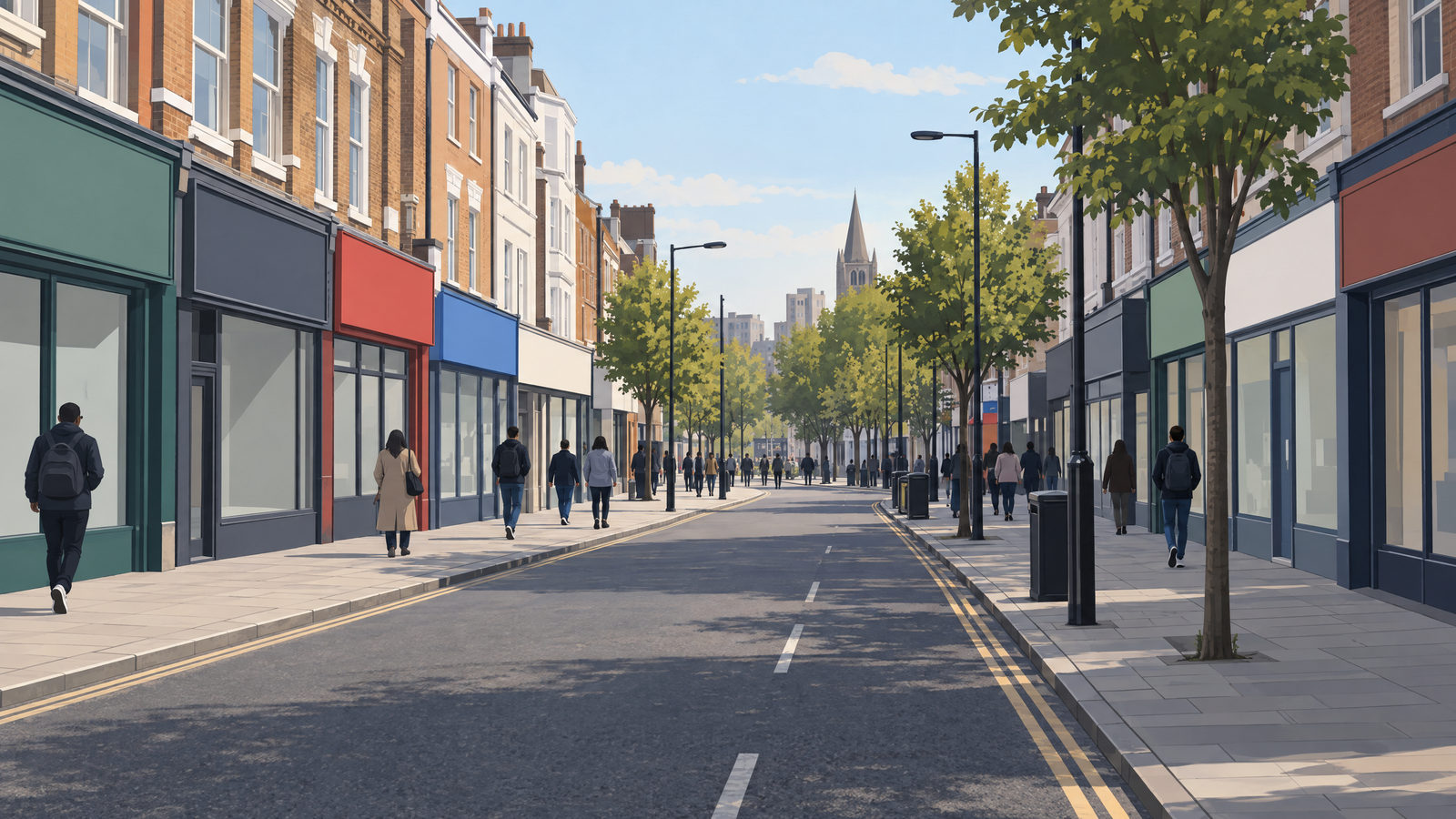
The concern is not confined to online betting. A premises snapshot dated December 2025 counted 62 gambling venues in the borough, and the borough-wide density ranked 12th highest among 330 local authorities. The east of Haringey had a much heavier concentration than the west, with clusters on Wood Green High Road, Harringay Green Lanes and the High Road corridors at White Hart Lane and Bruce Grove. The density ranking measures premises relative to population; it is not a ranking of residents’ health or gambling behaviour.
Gambling-related harm can affect finances, relationships, physical and mental health, education and work. Possible consequences include debt, difficulty meeting basic needs, family breakdown, anxiety and depression. These risks do not mean that every person who gambles experiences harm, or that the estimate identifies which residents are affected. The geographic pattern makes location and access important parts of the policy discussion because venues are concentrated in more deprived communities.
Haringey has a statutory gambling levy allocation of £65,196 to spend on prevention by April 2027. Some of the money has already been apportioned, while the remaining balance can still be directed. Work under way includes collaboration with a five-borough North London coalition, staff training and efforts to improve referral pathways. Further community engagement is being planned to understand local experiences and identify gaps in support.
Several proposals remain at an exploratory stage. The council is assessing the value and cost of a primary-care clinical lead for gambling harms. It is also looking to commission sessions for pupils in the borough’s 12 state schools, funded through the levy rather than the council’s own budget. These are intentions, not completed programmes or confirmed appointments.
Licensing rules could also change, but no new local restriction was decided at the scrutiny meeting. The national government has announced plans to repeal the Gambling Act’s “aim to permit” principle, which has constrained councils’ ability to refuse some licence applications. The proposed change is meant to give councils more room to consider local circumstances and clustering; it is not an immediate change in the law. Haringey still needs stronger local evidence and an updated gambling policy before that prospective power could shape future decisions.