
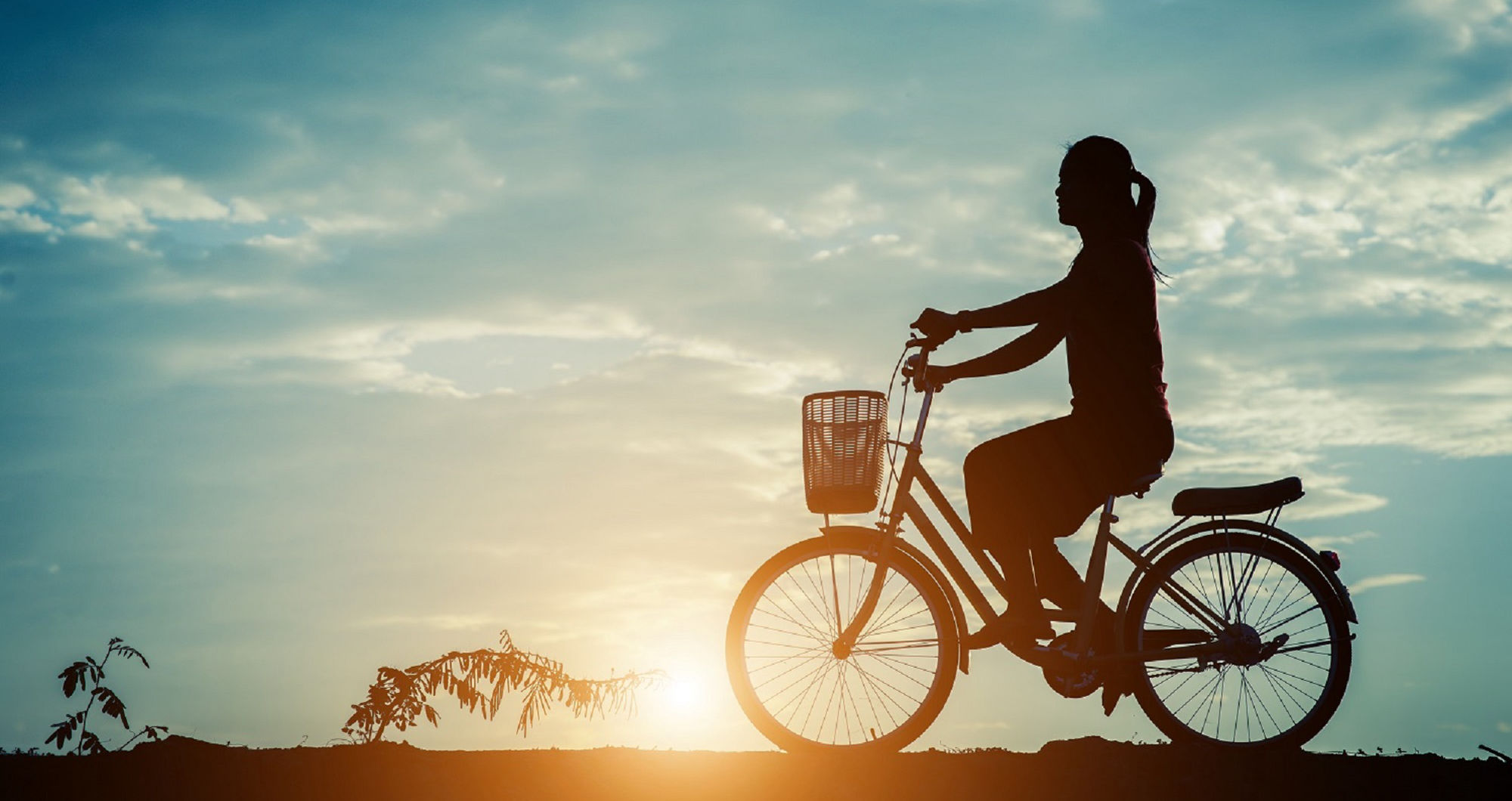


“Enjoy the little things in life, for one day you may look back and realize they were the big things.” — Robert Breault
Modern Lifestyles: How People Live Today
In today’s rapidly evolving world, the concept of lifestyle extends far beyond daily routines. It reflects how individuals allocate their time, manage their responsibilities, and pursue well‑being while responding to social, economic, and technological influences. A modern lifestyle is shaped by personal values, professional demands, health awareness, and the way people interact with others and with technology. Understanding how people live today requires examining each of these dimensions in practical terms.
Values and Personal Priorities in Everyday Life
Personal values play a decisive role in shaping lifestyle choices. People increasingly organise their lives around what they consider meaningful—such as health, family, career growth, personal freedom, or social contribution. These priorities influence both long‑term plans and everyday decisions.
Practical example:
An individual who values health may choose to prepare home‑cooked meals during the week, schedule regular medical checkups, and dedicate time to physical activity, even if this means declining late‑night social events. Another person who prioritises professional growth may invest time in online courses after work, attend industry events on weekends, and consciously limit leisure activities to focus on skill development.
These examples demonstrate how abstract values are translated into concrete habits that define a person’s lifestyle.
Work, Technology, and Daily Organisation
Work patterns and technology are central to contemporary life. Digital tools, remote work, and flexible schedules have reshaped how people structure their days, blurring traditional boundaries between professional and personal life.
Practical example:
A remote worker may start the day with a short planning session, work from home or a co‑working space, and take breaks for exercise or family responsibilities. Without the need for daily commuting, this person can reallocate the time saved toward personal interests, such as learning a language or engaging in creative projects.
Conversely, a professional working in a highly demanding role may rely on productivity apps, digital calendars, and task‑management tools to maintain efficiency and prevent work from overwhelming personal time.
These practices show how technology can support a more flexible and intentional lifestyle when managed thoughtfully.
Physical and Mental Well‑Being as Lifestyle Foundations
Health has become a core pillar of how people define a good quality of life. Modern lifestyles increasingly integrate habits that support both physical and mental well‑being, recognising that long‑term success and satisfaction depend on overall health.
Practical example:
Many individuals incorporate simple wellness routines into their day, such as walking or cycling to work, practising mindfulness for 10 minutes in the morning, or maintaining a consistent sleep schedule. A professional facing high levels of stress may schedule regular breaks, seek mental‑health support, or establish clear boundaries around work hours to prevent burnout.
These behaviours illustrate how health is no longer treated as an afterthought but rather as an active, ongoing commitment in daily life.
Social Relationships and Community Engagement
Despite the growing role of digital communication, social relationships remain essential to a balanced lifestyle. People continue to seek meaningful connections with family, friends, and communities, both online and offline.
Practical example:
A person living in a large city may dedicate one evening each week to meeting friends in person, participating in a local sports club, or volunteering for a community organisation. Another individual may maintain close relationships through regular video calls with family members living abroad, ensuring emotional support despite physical distance.
These examples highlight how intentional efforts to nurture relationships contribute significantly to emotional well‑being and social stability.
Conclusion
Modern lifestyles result from continuous choices shaped by personal values, professional requirements, health awareness, and social engagement. There is no single model of how people should live; instead, each individual constructs a lifestyle that reflects their priorities and circumstances. By making conscious decisions—whether related to work, health, or relationships—people can create lifestyles that are sustainable, fulfilling, and aligned with their long‑term goals. In an ever‑changing world, the quality of life increasingly depends on the ability to live intentionally and adapt thoughtfully.







