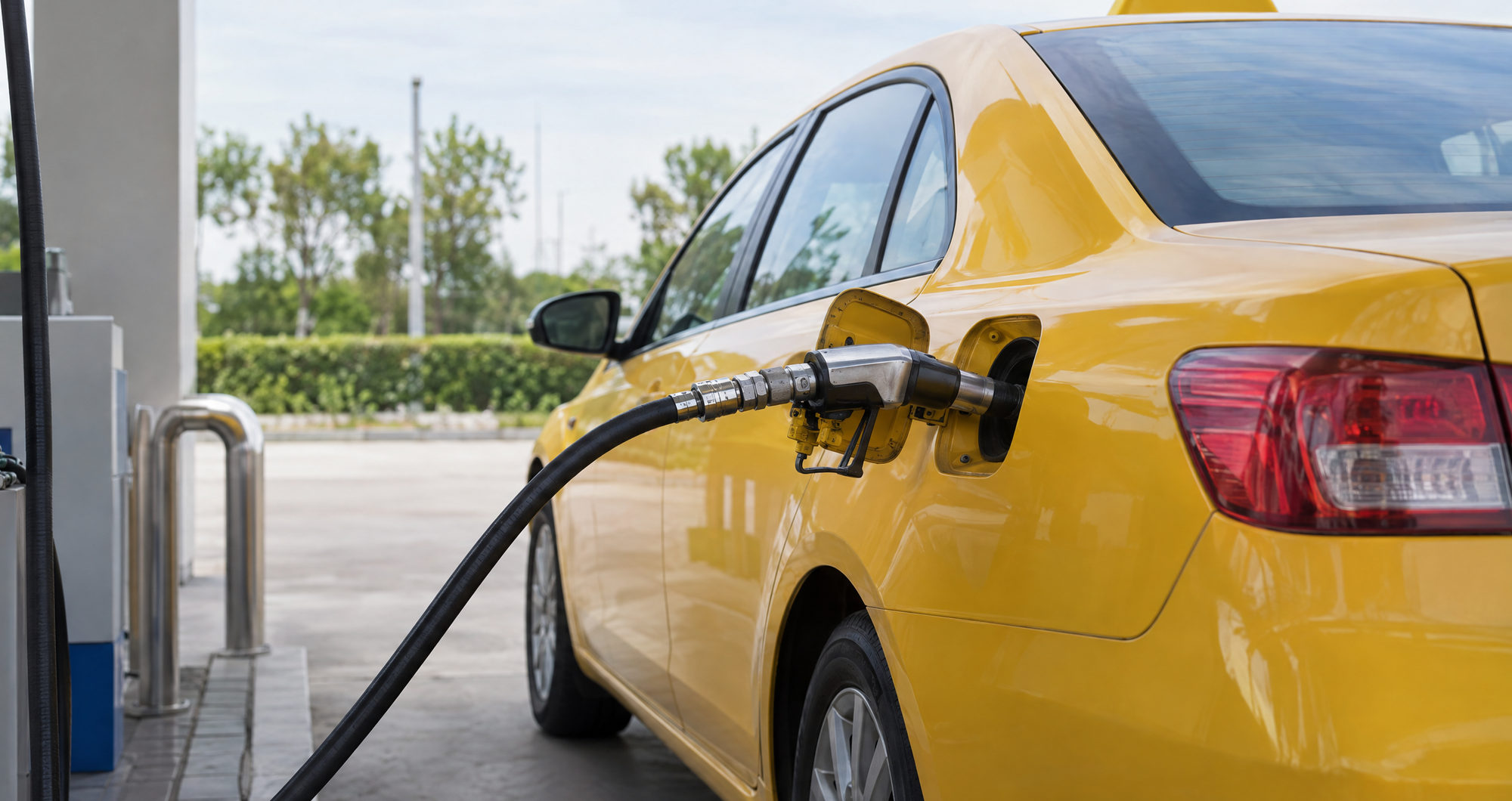

Drivers using compressed natural gas in Mumbai face higher fuel bills after Mahanagar Gas increased its retail price by ₹1.50 per kilogram. The new rate of ₹91.50 per kilogram took effect on 15 November in Mumbai and adjoining areas.
The change follows a rise of ₹1 per kilogram on 1 November, when the price reached ₹90. The latest increase is therefore the second in two weeks, taking the combined rise over the fortnight to ₹2.50 per kilogram.
For someone buying 10 kilograms at the new rate, the bill is ₹15 higher than it would have been immediately before the latest change. The impact on an individual driver depends on how much fuel the vehicle uses and how often it is refilled.
Repeated increases
The latest adjustment adds to a series of increases this year. The price was ₹80.50 per kilogram at the start of 2026. At ₹91.50, it is ₹11 higher than that starting point, an increase of about 13.7 per cent.
Prices had reached ₹86 per kilogram by the end of May. A rise in September took the rate to ₹88, followed by increases to ₹89 in October and ₹90 at the beginning of November. The move to ₹91.50 brings the increase since the ₹86 rate to ₹5.50 per kilogram.
Those figures describe changes in the fuel price, not an equivalent increase in a passenger’s fare. A driver’s fuel costs form only one part of the cost of operating a vehicle, and metered fares are set through a separate process.
Supplier cites procurement costs
Mahanagar Gas said the revision was intended to offset part of the increase in its gas procurement costs while maintaining a continuing supply to customers.
The company attributed higher costs to the crisis in the Middle East, a reduced allocation of domestically produced gas and greater reliance on imported regasified liquefied natural gas. That imported fuel is linked to international price benchmarks, so movements in those markets can affect what distributors pay.
Liquefied natural gas is cooled for transport and then returned to a gaseous state before it enters the distribution network. Compressed natural gas, or CNG, is the vehicle fuel sold by weight at filling stations. The retail decision concerns that vehicle fuel; it does not in itself establish an increase in the price of piped cooking gas.
Across all its operating areas, the company counted 1,284,828 registered CNG vehicles and 518 filling stations at the end of March 2026. Those company-wide figures are not a count for Mumbai alone or a current November total.
Drivers seek fare review
Auto-rickshaw representatives say the fuel increases have added to the pressure on drivers. Mumbai Rickshawmen’s Union leader Thampy Kurien said the latest rise had effectively cancelled out the benefit of the previous fare revision.
Unions have estimated that the minimum auto-rickshaw fare for the first 1.5 kilometres should rise from ₹27 to ₹29 based on their assessment of the fare formula. That is not an approved new fare. Kurien said an immediate revision was not possible under the existing formula and that his union planned to submit a proposal in March or April, seeking revised fares from 1 June 2027.
The previous approved revision took effect from 1 September, raising the minimum auto-rickshaw fare from ₹26 to ₹27 and the minimum fare for black-and-yellow taxis from ₹31 to ₹33. Drivers were required to have their electronic meters recalibrated before charging the revised fares, with the process due to be completed by the end of November.
The fuel change is already in effect. Whether a further fare rise follows is a separate question and would require a decision by the relevant transport authority.