
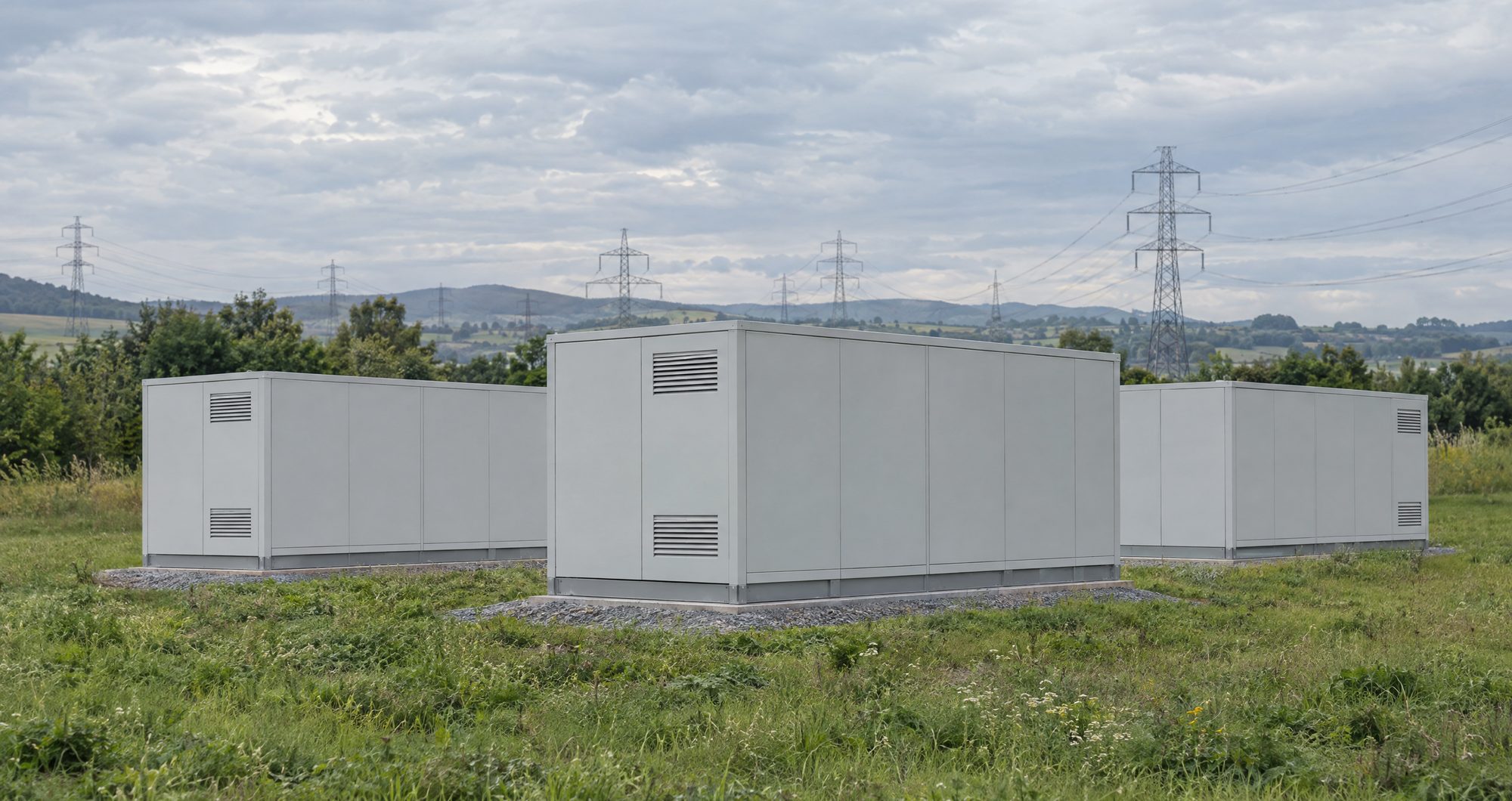

New York has opened a second competitive round for large-scale energy storage, seeking proposals that could add approximately one gigawatt of capacity to the state’s electricity system.
The New York State Energy Research and Development Authority, known as NYSERDA, launched the solicitation on 12 November. It is looking for eligible projects that can store electricity and make it available to the grid. The target is a procurement ambition, not a statement that new facilities have already been built or are supplying power.
The round is part of a wider state effort to deploy six gigawatts of energy storage by 2030. Within that ambition, NYSERDA’s bulk storage programme aims to procure three gigawatts through at least three annual solicitations. Bulk storage refers to large projects connected to the electricity system rather than installations serving only an individual home.
How the competition works
Developers must first submit an eligibility application. This initial stage asks for evidence that a project meets the programme’s requirements and has a reasonable pathway to satisfy the minimum thresholds for the next stage. Applications are due by 3pm Eastern Time on 15 December 2026.
Projects that qualify can move on to a competitive bid. That second stage is conducted in two phases. NYSERDA will check whether proposals meet the minimum eligibility thresholds, then evaluate qualifying bids on price and non-price factors. The process does not mean that every eligible application will secure a contract.
The agency is also holding a webinar for prospective bidders on 23 November. The solicitation is open to a range of eligible storage technologies, so not every project in the new round needs to use the same equipment.
Successful developers are expected to enter long-term contracts for a financial instrument called an Index Storage Credit. The mechanism is designed to give projects greater revenue certainty while encouraging participation in New York’s electricity markets.
Under the programme, developers propose a strike price reflecting the revenue needed for a project to be financially viable. A reference price estimates what the project could have earned in the state’s energy and capacity markets. When the strike price is above that reference, NYSERDA pays the difference; when the reference is higher, the developer owes the difference back. The reference is an estimate, rather than a guarantee of a project’s actual market earnings.
From contracts to operating assets
Winning a contract is only one step towards adding storage to the grid. Projects still need to complete development, secure required permits and approvals, be installed and start operating. Payments for storage credits do not begin until the relevant project is operating and has passed the programme’s peer review and quality assurance inspection.
Depending on the project, permitting can involve local and, in some cases, state authorities. NYSERDA also provides technical assistance and model local laws to help communities consider storage development in their areas.
The new competition follows the first round of the programme. In September, NYSERDA announced contracts for eight bulk storage projects with a combined capacity of 950 megawatts. Those projects extend from New York City and Long Island to the Hudson Valley and western New York. Their capacity is expected to be added once the facilities are operational; the earlier awards should not be confused with completed construction.
The first competition attracted bids from 46 eligible projects, representing approximately six gigawatts of power capacity. The selection of eight projects illustrates the distinction between the volume proposed by developers and the capacity eventually contracted.
Safety and grid aims
NYSERDA-supported projects must meet updated storage safety codes and the programme’s safety and security requirements. Proposals must include plans for compliance. The requirements cover matters such as siting and emergency response, while peer review and inspection are part of the process before payment begins.
Storage can take in electricity when it is available and release it later. That flexibility can help the grid manage periods of high demand and make better use of generation and transmission infrastructure. The programme is intended to support reliability and reduce costs, but the benefits from this particular round will depend on which projects are selected, built and brought into service.
NY Green Bank, a division of NYSERDA, is prepared to offer financing options to developers and investors in connection with the solicitation. Financing is a separate part of bringing a project forward and is not the same as receiving a procurement award.







