

Niger and its development partners have agreed a framework for trying to restart the long-delayed Kandadji dam programme, with financing, construction and the resettlement of affected communities among the priorities.
The agreement followed a round table in Niamey on 11 November. The government and its partners set out seven areas of work, but the declaration did not establish that the money needed to finish the programme had been secured or that construction had restarted.
Prime Minister Ali Mahaman Lamine Zeine put the updated cost of the programme at $1.561 billion. He said $1 billion had already been committed, leaving approximately $561 million to be mobilised. A commitment to provide finance is not the same as money already paid out, and the outstanding figure remains a funding requirement rather than a newly secured package.
On 13 November, President Abdourahamane Tiani met Ousmane Diagana, the World Bank’s vice-president for West and Central Africa. Diagana said the agreements reached at the round table could help the programme restart soon. He did not announce a date for work to begin or a new amount of funding specifically for the dam.
A plan for a long-delayed project
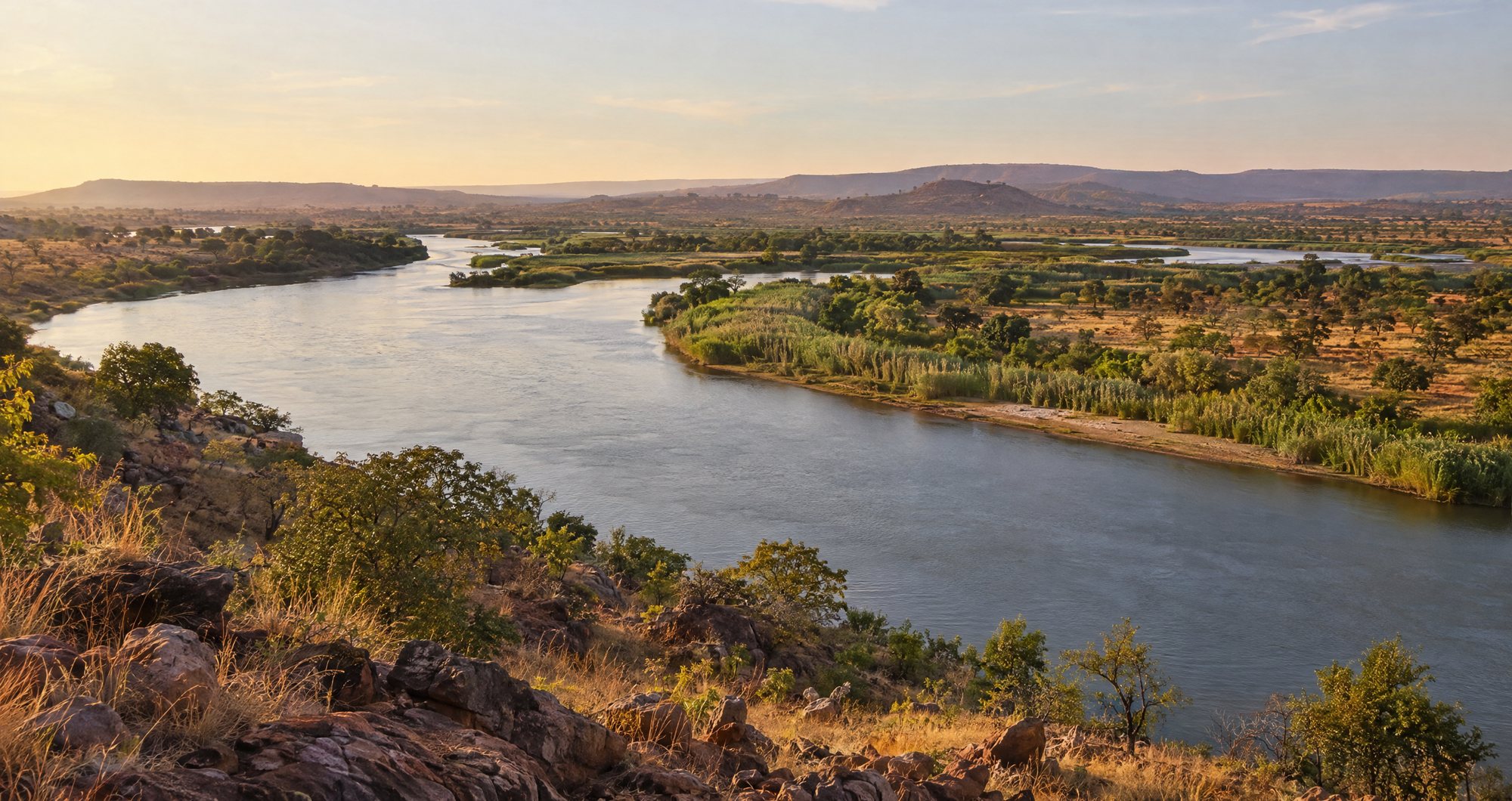
Kandadji is planned on the Niger River, about 189 kilometres north-west of Niamey. The programme includes a dam, a hydroelectric power station with a proposed capacity of 130 megawatts and irrigation development covering up to 45,000 hectares.
Its intended benefits extend beyond electricity. By storing and regulating river water, the project is also intended to support agriculture and improve water supplies. Those are objectives of the programme, not outcomes delivered by the new declaration. They depend on construction and other components being completed and operating as planned.
The project has faced years of delays. Zeine pointed to the number of organisations involved, different rules and procedures, difficulties carrying out work and the security situation as factors that had slowed progress and increased costs.
Dam construction resumed briefly in February 2025 but stopped again in April that year amid security, financing and diplomatic difficulties. The latest declaration is an attempt to address conditions for a further restart, rather than confirmation that those obstacles have all been resolved.
Funding and oversight
The partners said they were willing to help cover the financing gap and called for faster use of funding already mobilised. The declaration did not specify how much each partner would provide towards the outstanding requirement or when the additional money would be paid.
The government has proposed a simpler financing arrangement with harmonised procedures and asked the World Bank to act as lead partner alongside it. A common mechanism could make it easier to coordinate payments and responsibilities, but the declaration does not establish that such a mechanism is already operating or that the bank has formally accepted the proposed role.
Niger has promised to send partners an updated progress assessment, a completion roadmap, the programme’s financial position and a resource-mobilisation strategy by 30 November. The agreed framework also provides for regular technical monitoring and a high-level review every two months. Another high-level meeting is planned for January 2027.
Resettlement and safeguards
Resettlement is a central part of the programme rather than a separate issue to be settled after the dam is built. The declaration envisages an integrated approach across 17 sites, covering compensation, housing, community infrastructure and support for restoring livelihoods. It does not provide a detailed account of what has already been completed at each site.
For families affected by a reservoir, the practical questions can extend beyond a replacement home. Access to farmland, water, services and ways to earn a living can all shape whether a move is sustainable. The framework includes environmental and social safeguards alongside the work on resettlement.
World Bank planners identified unresolved safeguard issues in a 2025 project review and stressed the need to coordinate construction with resettlement. The government has now pledged to accelerate environmental and social measures, strengthen the Kandadji dam agency and make implementation more transparent.
The partners also plan a security-coordination mechanism covering construction areas, resettlement sites and supply routes. The declaration sets out the areas needing attention, but the financing, timetable and practical delivery of those measures remain the tests of whether the programme can move forward.







