
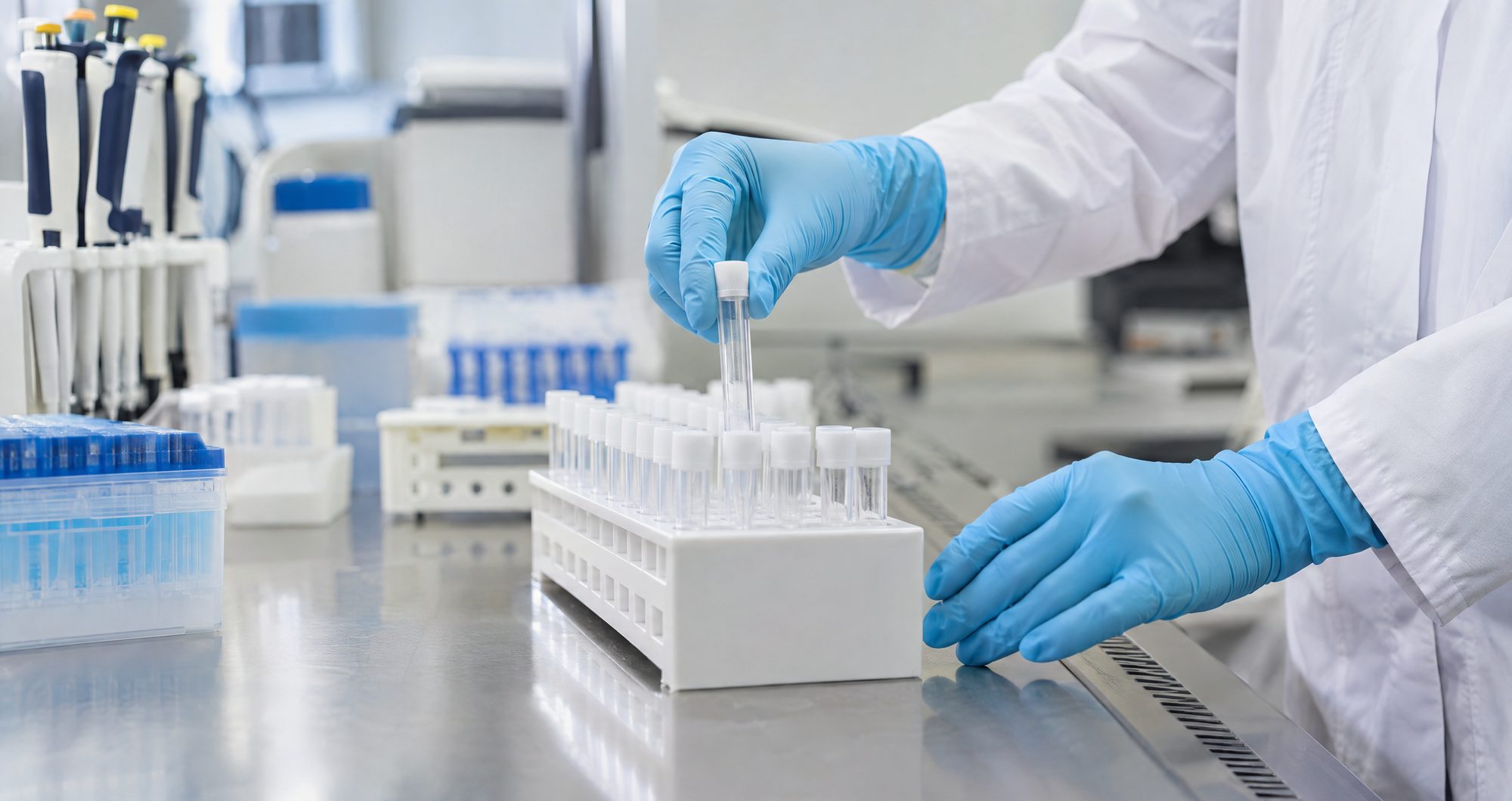

All 62 people identified as contacts of Nigeria’s imported Ebola case have completed their 21-day monitoring periods without any being diagnosed with the disease, health officials have announced.
The final contact completed follow-up and was discharged on 13 November. The result marks a significant point in the response to the case confirmed in Abuja on 20 October, but it is not a formal declaration that the outbreak is over.
Thirteen of the contacts reported fever or other non-specific symptoms during monitoring. All 13 tested negative for the virus. Officials also investigated seven Ebola alerts across five states over the preceding three weeks; tests associated with all seven were negative.
The completion changes the position reported earlier in the response. In a snapshot covering 9 November, 34 of the 62 contacts had finished their individual follow-up periods and 28 were still being monitored. The latest announcement accounts for the completion of follow-up across the whole identified group.
What the monitoring result means
A contact is someone who may have been exposed to an infected person. Being identified as a contact does not mean that a person has Ebola. Follow-up is designed to help health teams identify symptoms quickly, arrange testing where needed and respond if an infection is confirmed.
The period between infection and the start of symptoms can range from two to 21 days. Each person’s follow-up relates to their own possible exposure, so contacts do not necessarily complete monitoring on the same day. The final discharge therefore matters separately from the date on which the original infection was confirmed.
Fever and other early symptoms can have several causes. The negative results in the 13 symptomatic contacts are important because symptoms alone cannot establish an Ebola diagnosis. The monitoring result describes the identified contacts; it should not be treated as a guarantee against every possible future alert or importation.
Surveillance continues
Health officials have cautioned that ending contact monitoring does not automatically end an outbreak. A 42-day period is used in the process of declaring an Ebola outbreak over, but that is a separate measure from an individual contact’s 21-day follow-up. A formal declaration is a further step and should not be inferred from the latest discharge.
Emergency operations remain at level three, the highest response level for Ebola, while surveillance and preparedness continue. The response has included tracing contacts in households and healthcare facilities, laboratory investigations, infection prevention measures and training for health workers.
Officials have encouraged people who feel unwell, especially after travel or possible exposure to an infectious disease, to seek advice promptly and tell health workers about relevant travel or contact history. Such information can help clinicians decide what assessment is needed; a fever on its own is not evidence of Ebola.
The imported case
The patient had travelled from Uganda to Nigeria and developed symptoms after arriving. The infection was confirmed in Abuja on 20 October. On 26 October the patient and a close contact were medically evacuated to Switzerland, where the patient later recovered and was discharged from hospital.
The travel history does not by itself establish where the infection occurred. Investigations into the likely source of infection and the patient’s exposure history have been part of the response.
The infection was caused by Bundibugyo virus, one of the viruses that can cause Ebola disease. It can spread through direct contact with the blood or other bodily fluids of a person who is sick or has died, or with contaminated materials. People do not transmit the disease before symptoms begin.
There is no approved vaccine or specific treatment for Bundibugyo virus disease, although candidates are being studied. Early supportive care, including fluids and treatment of symptoms, can improve survival. Health teams are also responding to a larger outbreak in the Democratic Republic of the Congo, making continued preparedness important even after Nigeria’s identified contacts have completed their monitoring.







