
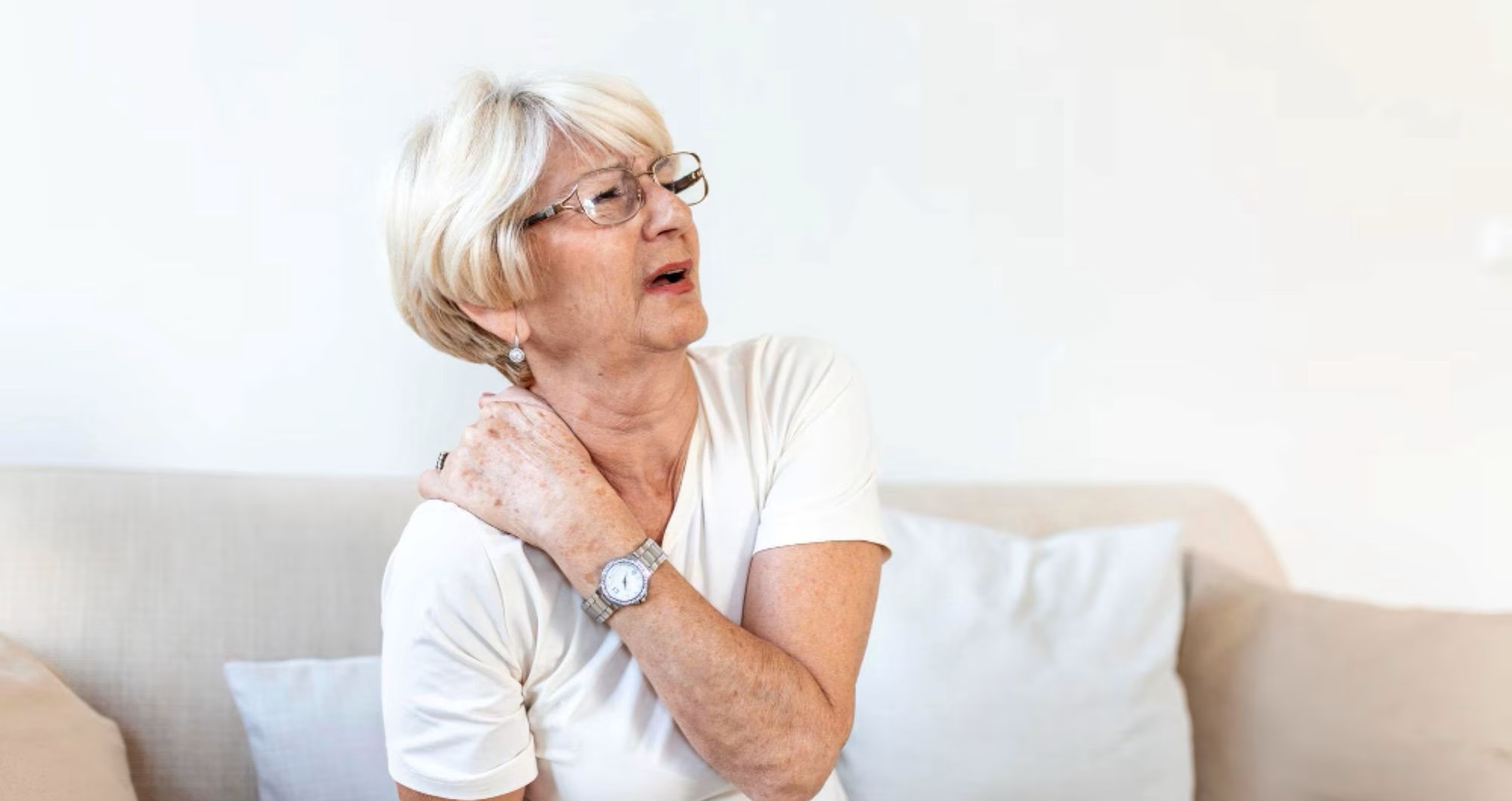

Osteoporosis weakens, thins and predisposes the bones to fractures. It occurs when the body exhausts bone tissue faster than it forms.
With time, osteoporotic fractures may occur as a result of a minor fall or a bump. Osteoporosis in women is more common because of hormones, age and certain lifestyle choices that they make.
To tackle it, you have to know what causes it. Longevity Clinics can provide you with the advice and care you need to nip this in the bud and to develop strong, healthy bones.
Why Women Are More at Risk
Menopause and Low Oestrogen
Oestrogen is important for bone health. Yes, testosterone facilitates bone growth, but without oestrogen, the ratio of bone destruction to bone formation will be problematic.
Following menopause, there is a sudden decline in the levels of oestrogen, and this natural protection is lost. Bone tissue then starts to dissolve quickly than it can grow.
This is lost at a faster rate during the initial years following menopause, when most women record a sudden loss of bone density.
Unless diet, exercise and general health conditions are put into consideration, this process may lead to osteoporosis, making the bones weak, fragile and prone to breakage.
Reduced Bone Mass
Women naturally have smaller and lighter bones than men. Thus, there is a smaller quantity of bone tissue available.
In early adulthood, when peak bone density is reached, women generally start from a lower level compared to men. This smaller “bone reserve” will play a significant role in life, particularly after menopause, when bones are lost at an accelerated rate.
Even normal age-related loss of bone density would more rapidly cause osteoporosis, because there is less bone mass to utilise.
Development of strong bones at a tender age by eating a healthy diet, regular weight-bearing exercise, and practising healthy living will help to develop a stronger reserve for future years.
Ageing
As one approaches the age of 35, the body starts to lose the balance between the creation of new bones and the destruction of the old ones. The rate at which the bones are destroyed starts to outweigh the rate at which the bones are built up, and this leads to the loss of bone tissue.
It’s a natural process of ageing. Nonetheless, in women, the speed of progression can be accelerated due to the decreased size of bones and hormonal alterations with age.
This constant loss as years go by causes bones to be thin and fragile. Unless the woman changes her lifestyle and habits, age-related bone loss will quickly become osteoporosis.
Other causes of osteoporosis in women include:
- Family History: You are at risk when one or both parents had osteoporosis or experienced a fractured hip. Your genes influence the severity of your bones.
- Poor Diet: Your bones need Calcium and vitamin D. A deficiency in these two can make the bones weak. Those who avoid dairy products, have low sun exposure, and those on a strict diet are at high risk.
- Lifestyle Habits: Smoking destroys the bone cells. Also, too much alcohol weakens the bones and increases the chances of falls. Bone loss accelerates rapidly with little or no exercise. Your bones will benefit from lifting some weights.
- Diseases and Medications: Some conditions, like thyroid issues, coeliac disease and rheumatoid arthritis, destroy bones. Medications like steroids also weaken the bones.
How to Protect Your Bones
- Physical Activity: Doing things other than sitting around, especially things that involve some form of weights, will help your bones become stronger. From simple physical activity to complex exercises like walking with dumbbells, dancing for a while, climbing, resistance training, yoga and lifting weights will do your bones some good.
- Boost Your Hormone Health: Bones weaken during menopause, when hormones tend to be lower than they should be. Boost your hormone health with lifestyle changes. Longevity Clinics can show you how.
- Stop Substance Abuse: Cut down on alcohol and stop smoking, for the sake of your bones.
- Do Regular Bone Health Check-ups: If you do this, you can spot issues before they develop. Longevity Clinics will test you and help you through further procedures.
- Protect Yourself From Falls at Home: Take out whatever could trip you at home. If you have an elder, install handrails and keep the floor well-lit so they reduce the risk of falls and possibly fracture a bone.
How Longevity Clinics Can Help
Longevity Clinics offer women personalised assistance so that they can protect and strengthen their bones. The team can help with your diet to make sure that you’re taking in enough calcium and vitamin D, which is good for bone formation and strengthening.
You’ll also learn the foods to abstain from. Foods rich in salt or with excess sugar have the tendency to weaken bone health as time goes by.
You’ll also learn all about exercises to strengthen your bones and reduce your risk of falls. Safe and resistant weight-bearing activities based on age, ability, and lifestyle will be recommended.
Hormonal levels are also monitored, especially at menopause, during which the loss of bone is accelerated. Longevity Clinics will assist you in figuring out what is occurring in your body. And with regular assessments, you’ll be able to respond early.
Should the need arise, Longevity Clinics partners with your physician to establish bone density scans (such as a DEXA test) and develop a suitable treatment protocol.
Their holistic practice contributes to overall well-being. Therefore, enabling one to lead a healthy, independent and self-assured life.
Early Signs and Symptoms of Weak Bones
Osteoporosis is sometimes referred to as a silent disease. This is because there are no apparent signs of the damage it does to the bones. Most individuals learn about it when a minor fall results in osteoporotic fractures. Nevertheless, there are early signs and symptoms that can be used to hint at weakening bones.
Gradual loss of height is one of the early signs of osteoporosis. This may occur when the bones in the lumbar spine become weak and get compressed. You may also notice a stooped posture or back pain. These transformations might be gradual and hence can be easily ignored.
Brittle nails or a weaker grip are another possible sign. Although this can also be caused by other factors, it could represent alterations in bone health. Frequent fractures, including osteoporotic fractures from low-impact accidents, are another obvious red signal and must be examined immediately.
Recognising these signs will enable you to take immediate action before the osteoporosis advances. When you observe one of such symptoms, you must visit your medical practitioner immediately.
If you come to Longevity Clinics, you’ll first get a bone scan that will determine the health and strength of your bones. Then you’ll get a personalised plan to make sure it goes back to being healthy, or stays healthy.
Conclusion
Understanding the cause of osteoporosis will help you avoid it more effectively. With this knowledge, you will reduce your risk of osteoporotic fractures and will maintain healthy bones throughout your life.
Longevity Clinics can assist you with modifications that would save your bones. Talk to them today and start your journey to stronger, healthier bones.







