

Pakistan designates Karachi Industrial Park as federal special economic zone
Pakistan has approved Karachi Industrial Park as a federal Special Economic Zone, placing the proposed development within the country’s SEZ framework. The decision was taken at the 11th meeting of the Board of Approvals for Special Economic Zones in Islamabad on 23 October, chaired by Finance Minister Muhammad Aurangzeb.
The meeting considered three substantive agenda items. Alongside the Karachi designation, the board adopted eligibility criteria for publicly funded utility and related services for privately established zones, and a land-lease policy for public-sector zones and industrial estates in Punjab.
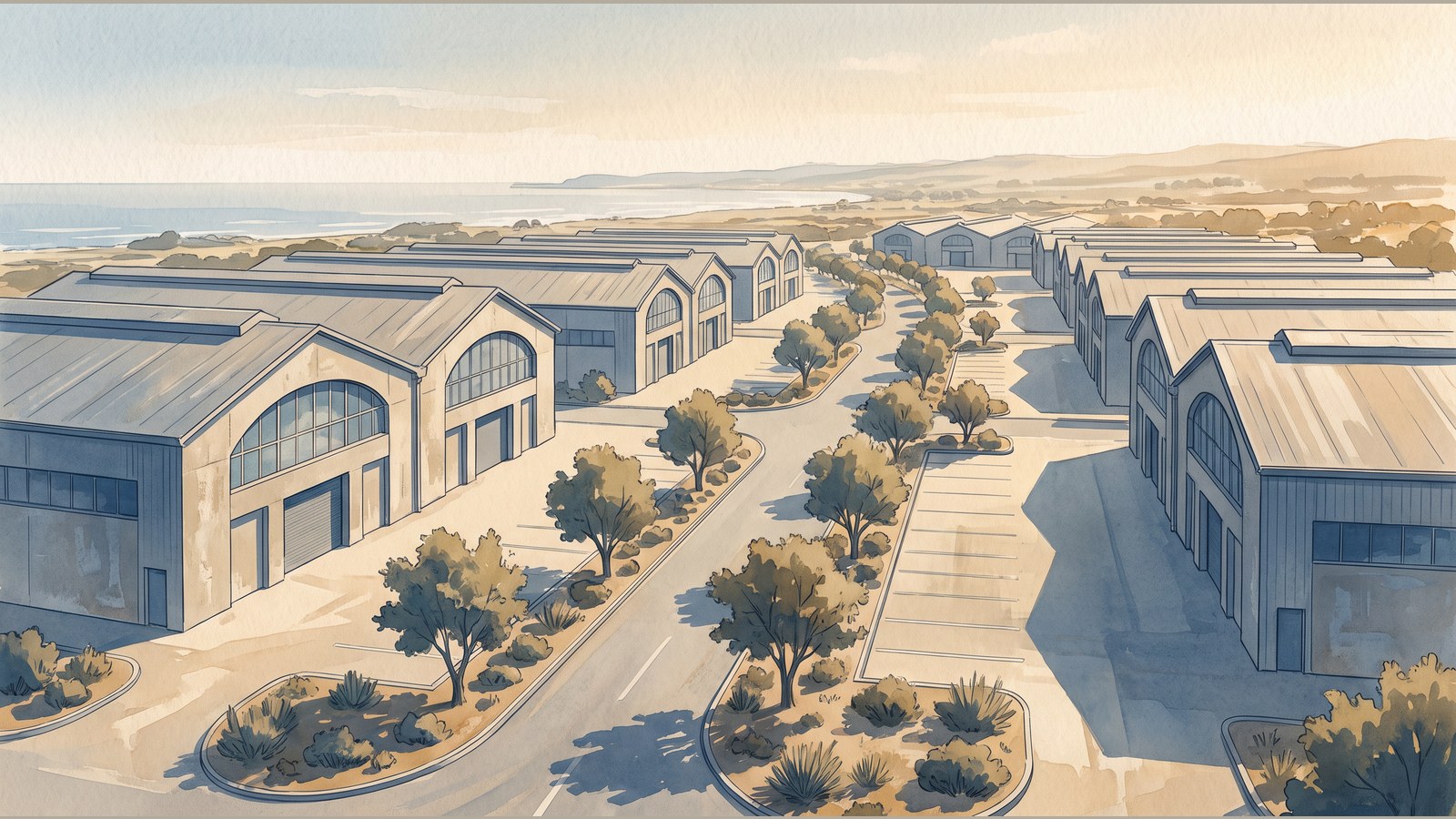
Karachi Industrial Park gains federal designation
The approval covers Karachi Industrial Park’s application to become a federal SEZ. The government says the proposed zone is intended to draw export-focused industrial investment, encourage technology transfer and increase value added by industry. It also lists employment as an aim.
The designation is a regulatory decision, rather than evidence that investment has been secured or construction, infrastructure delivery and hiring have begun. No project budget, investor commitments, delivery timetable or jobs figure was announced with the approval. The scale, tenants and operational start date of the proposed park therefore remain to be established through later decisions and implementation.
Rules for services at privately established zones
The board also approved general eligibility criteria for government-funded utilities and allied services serving privately established SEZs. The framework covers consideration of road access, utilities and other essential facilities up to the designated zero point of a zone under the SEZ Act 2012.
Funding will not automatically follow from the criteria. The government says proposals will be assessed case by case, so the decision does not confirm support for a particular private zone, utility connection or road project. It instead sets the conditions under which requests for public support can be considered.
That distinction matters for industrial developers and nearby communities. The framework addresses the boundary at which publicly supported infrastructure may be considered; it does not specify which works will be approved, how much they may cost, when they could be delivered or which level of government would pay in an individual case.
Long-term leasing policy for Punjab estates
A separate decision approved a land-lease policy for public-sector SEZs and industrial estates in Punjab. The policy is intended to make long-term leasing available, lower the immediate cost of obtaining industrial land and promote fuller use of public land.
The stated objective is to encourage investment in established industrial sectors and emerging activities with export potential. It does not announce a sale or lease of a named site, and the approval does not set out public lease rates, plot allocations, eligibility details or the number of businesses expected to use the policy.
What happens next
Together, the measures set out a designation and two policy frameworks intended to support industrialisation and private-sector participation. Their practical effect will depend on later applications, funding decisions, infrastructure plans and leases.
The government has described the package as part of an effort to improve the investment environment and use public resources and industrial land more effectively. For now, the confirmed outcome is the board’s approval. Claims about future investment, exports, jobs or completed infrastructure would go beyond the decisions announced on 23 October.







