
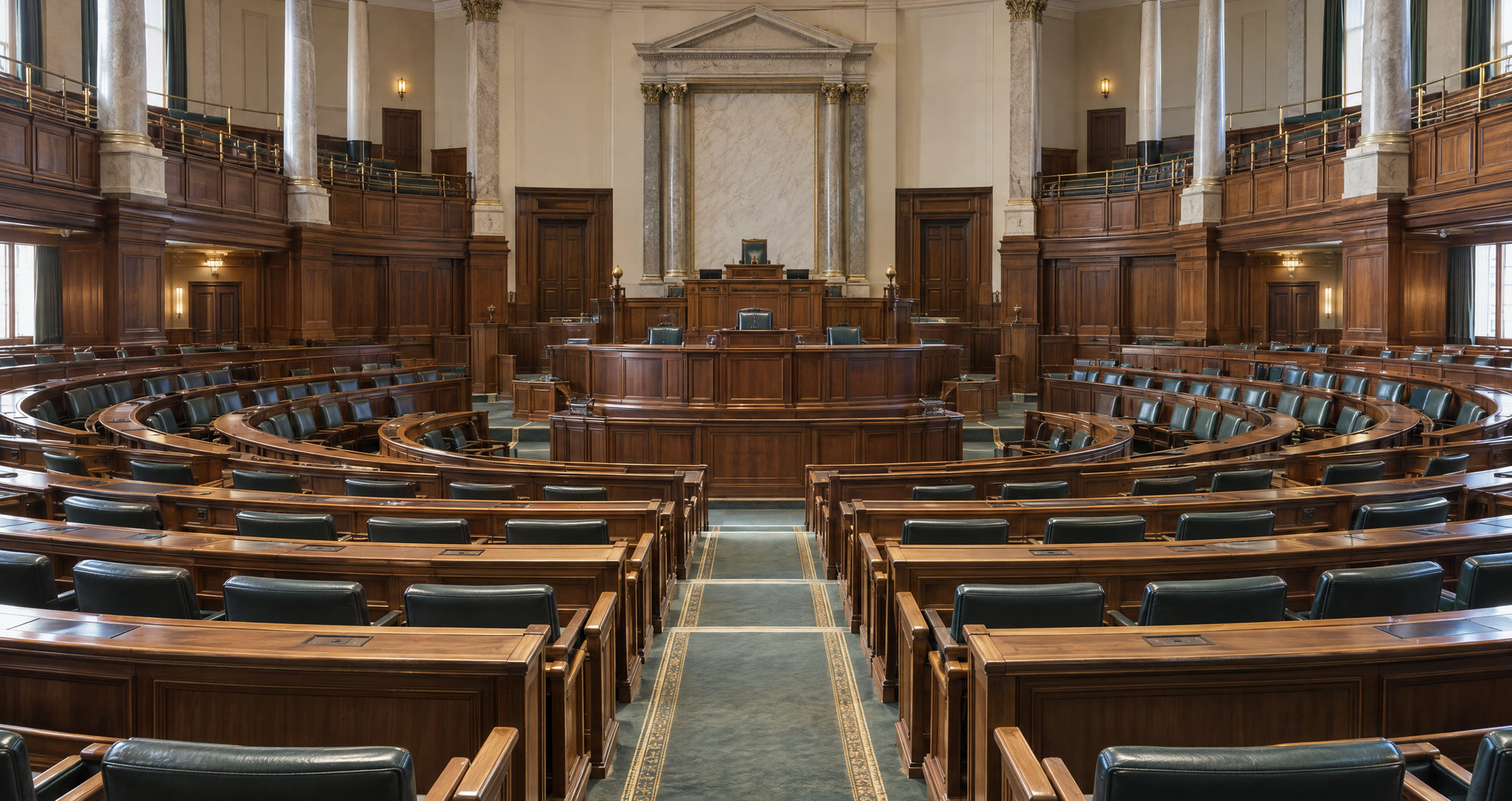

Peru’s Chamber of Deputies has approved a proposal to change the rules governing how long the limitation period for a criminal prosecution can be suspended.
The measure passed on Tuesday, 10 November, with 77 votes in favour, none against and 25 abstentions, according to Congress. It would amend provisions of the Criminal Code and the Criminal Procedure Code and expressly repeal Law 32104, which clarified an existing one-year limit on the suspension.
The vote is a legislative step, not a final change in the law. The approved text is to be sent to the Senate, and the proposed amendments are not yet in force.
What the proposal would change
A limitation period places a legal time limit on the pursuit of a criminal case. The dispute in Peru concerns when the running of that period can be suspended, or paused, and how long the suspension can last. It is not simply a proposal to give every offence the same deadline.
Under the text approved by deputies, the suspension could not extend beyond an accumulated period equivalent to the ordinary limitation period plus half that period. The proposal also says that the right to proceedings within a reasonable time must be respected in every case.
One provision deals with a criminal case whose start or continuation depends on an issue that must be resolved in another proceeding. In that situation, the proposal says the limitation period is suspended until the other matter is concluded, subject to the stated limit.
The text also addresses the formalisation of an investigation. That step would suspend the running of the limitation period for criminal proceedings, within the limit set out in the proposed Criminal Code provision.
The practical effect in an individual case would depend on the applicable rules and the facts. The deputies’ vote does not by itself decide the outcome of any investigation or establish that any accused person is guilty.
A continuing debate over time and rights
The existing one-year ceiling was introduced through Law 31751 in 2023. Law 32104, enacted in 2024, clarified its application. The latter law described the extra year as being added to the limitation periods already provided for in legislation.
Supporters of the change have argued that a single one-year suspension limit does not distinguish sufficiently between straightforward offences and more complex investigations. Deputy Javier Cipriani said the aim was not to permit investigations without an end, but to allow justice authorities the time established by law to investigate offences.
When the Chamber’s Justice and Human Rights Committee considered the proposal in October, some legislators argued that existing limits could allow investigations or proceedings to expire before responsibility had been determined. Others warned against excessively long proceedings and called for reasonable limits, protection of defence rights and further technical scrutiny.
The committee approved the report by 12 votes to six, with six abstentions, before it went to the full chamber. During the later debate, deputy Jaime Abensur also questioned the procedure used to prepare the report and called for more technical discussion.
The issue has already reached Peru’s Constitutional Court. In February 2026, the court dismissed a constitutional challenge to Law 31751. In explaining its decision, it stressed that keeping criminal proceedings open indefinitely would undermine the right to a reasonable duration.
For now, the result leaves the next legislative stage to the Senate. The proposed text combines a different limit on suspending the clock with an explicit reasonable-time safeguard; whether and in what form it becomes law remains to be decided.







