

Creating a music video can be a significant expense for independent artists, particularly those working with limited promotional budgets. From hiring camera operators and arranging filming locations to editing and post-production, traditional video production involves several stages that require time, planning and financial resources. For emerging musicians in London, these considerations can influence how they approach visual promotion.
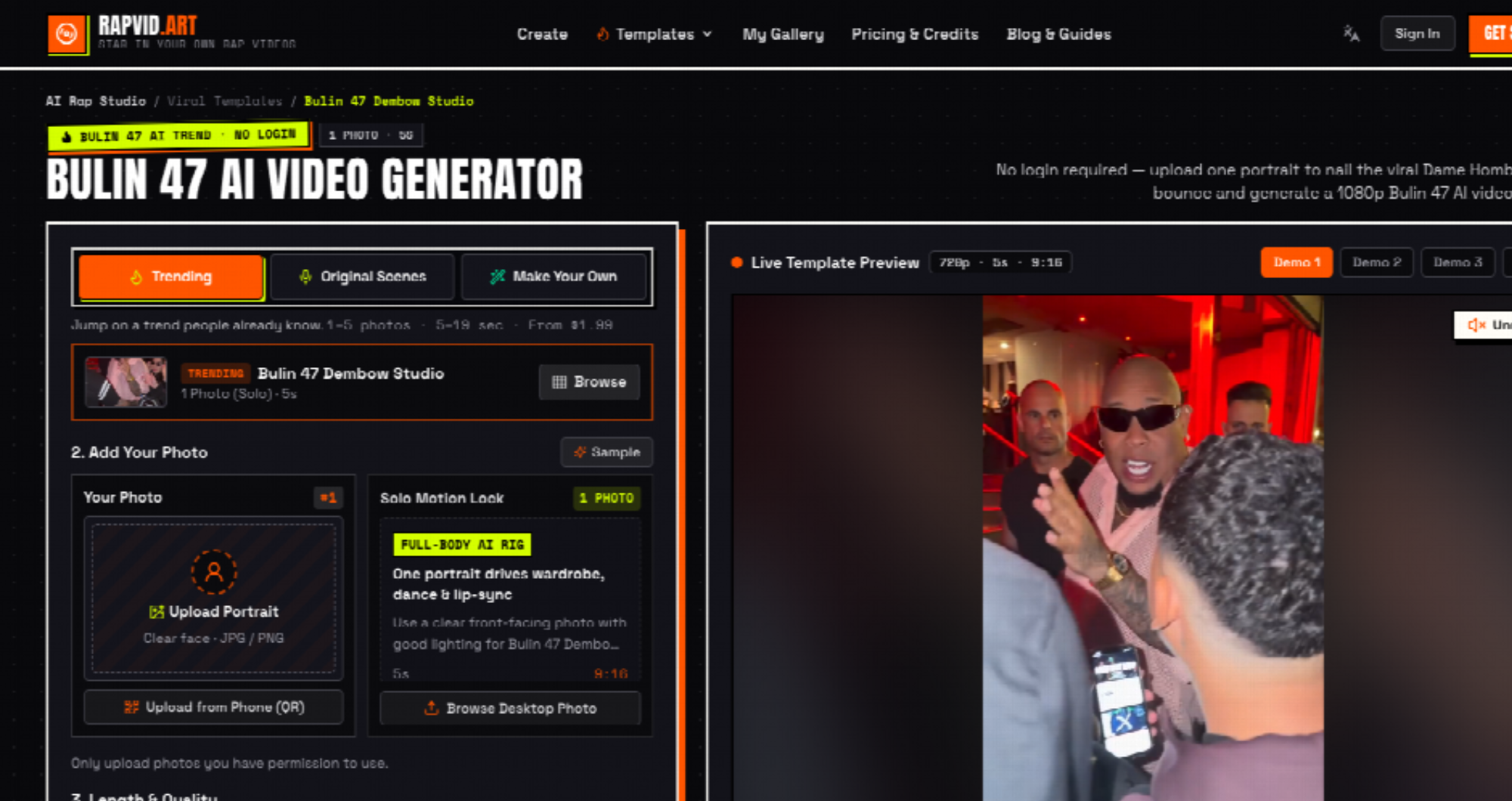
Alongside conventional filmmaking, artificial intelligence has introduced additional options for producing short-form music content. Platforms such as AI Rap Video Generator demonstrate how image-based and AI-assisted tools can be used to create visual material from existing photographs and audio. Although these technologies offer different production possibilities, they also raise questions about creative control, visual quality and the role of human direction.
Understanding the differences between these approaches can help independent artists decide which production method is appropriate for their music, audience and available resources.
The Financial Challenges Facing Independent Music Creators
Producing music involves more than recording and releasing a track. Artists must also consider marketing, distribution, artwork and visual content if they want to introduce their work to new audiences. Music videos can support these efforts, but the costs associated with professional filming may be difficult for independent musicians to manage.
A traditional production can involve several expenses, including camera equipment, lighting, location hire, transport, editing and payments for cast or crew members. The final cost depends on the project’s creative requirements, production length and the professionals involved.
For unsigned musicians and emerging performers, committing a large proportion of their available budget to one video may leave fewer resources for other promotional activities. This is particularly relevant when an artist is preparing several singles or an extended release campaign.
There is also a practical consideration. A single music video may provide material for an official release, but maintaining an active presence across digital platforms often requires additional content. Short performance clips, behind-the-scenes footage, lyric videos and promotional teasers can all form part of a wider campaign.
Producing every piece of content through a separate physical shoot may not be practical for artists working independently. Consequently, some musicians are exploring alternative production methods that allow them to experiment with visual content without organising a complete filming session each time.
Comparing Traditional Filming With AI-Assisted Video Production
Traditional filmmaking and AI-assisted video generation approach music video production in different ways. Neither method is automatically suitable for every project, and the choice often depends on the intended result.
A conventional shoot gives artists direct involvement in the filming process. They can work with directors, performers, cinematographers and editors to develop a specific visual style. This approach is particularly useful when a project requires physical locations, multiple performers, detailed choreography or a connected storyline.
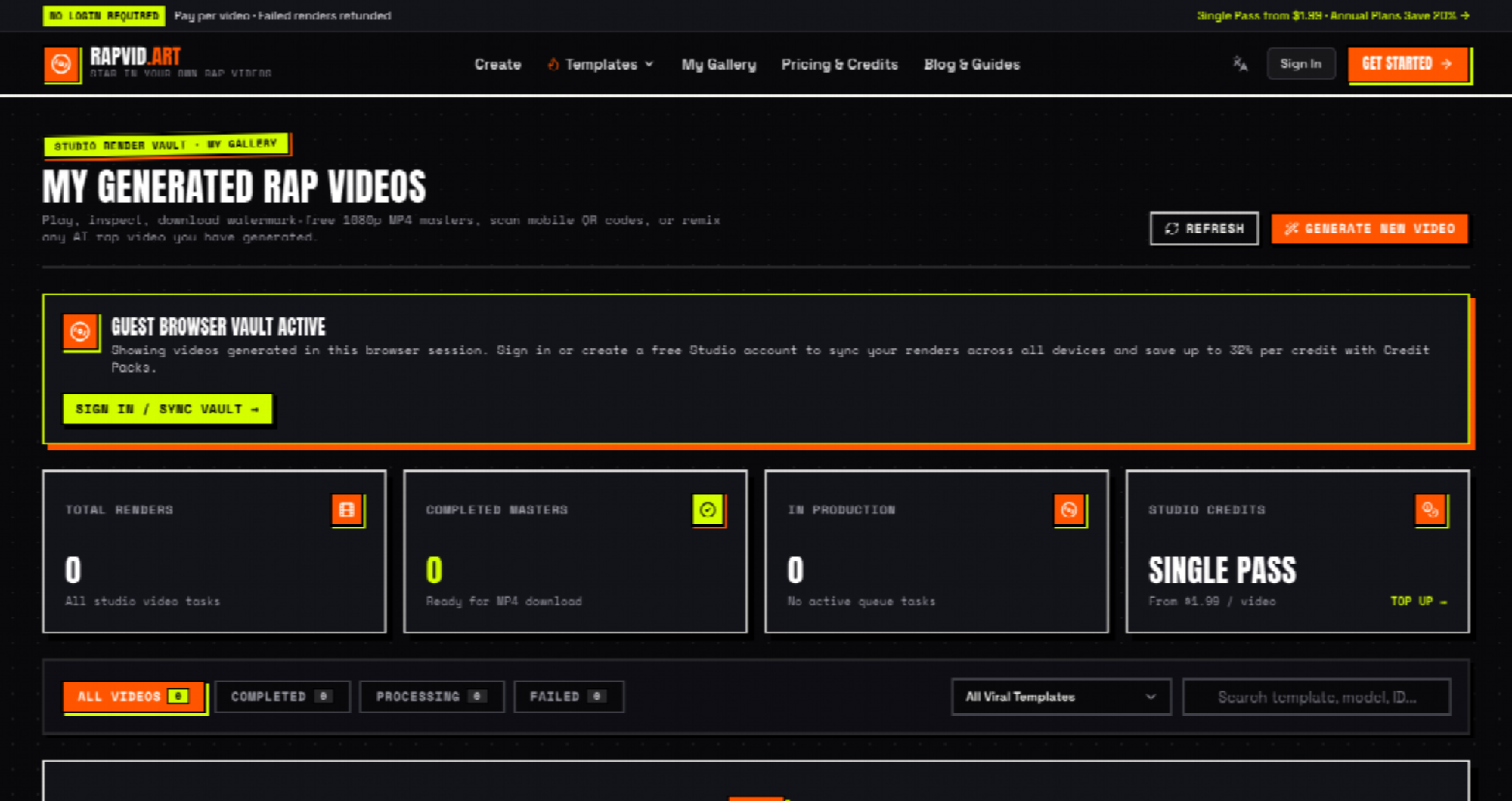
AI-assisted production generally follows a different process. Depending on the platform, users can provide photographs, visual references or other creative inputs to generate animated sequences. These outputs can be useful for short promotional videos, experimental visuals and social media content.
The following comparison highlights some of the main differences.
| Production factor | Traditional music video shoot | AI-assisted video production |
|---|---|---|
| Initial costs | May involve equipment, crew and location expenses | Depends on platform pricing and usage requirements |
| Production time | Requires planning, filming and editing | Generation may take less time, depending on the tool |
| Creative control | Direct control over filming, performance and direction | Depends on available prompts, settings and editing options |
| Physical performance | Captures real people and locations | Creates simulated movement from digital inputs |
| Revisions | May require additional editing or reshooting | Some changes can be generated through new iterations |
| Best suited to | Narrative videos, live performances and detailed productions | Short promotional clips and experimental visuals |
The comparison shows that each method has different strengths. Traditional production provides a level of physical authenticity and directorial control that automated systems may struggle to reproduce. AI tools, meanwhile, can offer a more accessible way to experiment with visual ideas and produce short-form material.
Understanding the Costs and Practical Requirements
The financial requirements of a traditional music video depend heavily on its scale. A simple performance recorded in an existing studio may require relatively few resources, while a more elaborate production involving multiple locations, lighting arrangements and additional performers can become considerably more expensive.
Artists also need to account for planning and coordination. Arranging filming schedules, securing permission to use locations and ensuring that equipment and crew are available can take time. Changes to the original concept may introduce further expenses, particularly if they require another filming session.
AI-assisted production changes some of these requirements by moving parts of the creative process into a digital environment. Artists may be able to experiment with different visual concepts using photographs and software rather than organising a physical shoot.
However, digital production is not necessarily free. Subscription fees, generation credits, export restrictions and additional editing software can all affect the overall cost. The availability of features also varies between platforms, making it important to review pricing and usage conditions before selecting a service.
For independent musicians, comparing the total costs of both approaches is more useful than assuming that one method will always be cheaper.
How AI Tools Are Changing Music Video Experiments
Artificial intelligence is becoming part of several creative industries, including photography, animation, graphic design and video production. In music promotion, these tools can help artists explore visual concepts that might otherwise require additional filming resources.
Some platforms use still images as references for generating short animated sequences. Others provide options for adjusting movement, camera perspectives or visual styles. The results depend on the underlying technology, the quality of the source material and the level of control offered by the software.
For rap and hip-hop artists, visual presentation can be an important part of a release campaign. Different musical styles may call for different approaches. An energetic drill track might benefit from fast-paced editing and dynamic framing, while a slower melodic recording could work better with more restrained visuals.
AI-generated movement can help artists experiment with these ideas, although the results may not always accurately reflect the intended performance. Facial movements, hand gestures, clothing details and body positioning can sometimes appear inconsistent. Reviewing and editing generated footage remains an important part of the process.
Selecting Visual Styles for Different Musical Genres
The relationship between music and visual presentation is not limited to a particular genre. Artists often use camera movement, lighting, editing pace and performance style to communicate the mood of a track.
Traditional production allows these elements to be planned and captured directly. A director can work with the performer to coordinate movements with specific sections of a song, while a cinematographer can adjust camera positioning and lighting during filming.
AI-assisted tools offer a different way to explore visual direction. Users may be able to test several animation styles or movement variations before deciding which concept works best with their music.
However, generated footage should be assessed carefully. An animation that looks visually impressive in isolation may not synchronise naturally with the rhythm or emotional tone of a particular recording. Artists should consider how well the finished sequence represents the music rather than focusing exclusively on technical effects.
Preparing Music Content for Different Digital Platforms
Independent musicians increasingly distribute promotional material across several digital channels. Each platform may have different requirements for video dimensions, duration and presentation.
Vertical videos are commonly used for short-form social content, while landscape formats remain relevant for conventional music videos and wider-screen displays. Square formats may also be suitable for certain social media placements.
Traditional filming can accommodate these requirements, but the production team needs to consider framing during the recording process. Footage captured for a widescreen format may not translate effectively into a vertical crop, particularly when the performer moves across the frame.
Digital video tools can provide alternative export options, although the available formats vary between services. Artists should check whether a platform supports the dimensions and resolution required for their intended distribution channels.
Planning these requirements before production can reduce unnecessary editing and help maintain consistency across a release campaign.
The Limitations of AI-Generated Music Videos
Although AI-assisted video production offers new creative possibilities, it has limitations that artists should understand before using it as a replacement for conventional filming.
One challenge is the representation of realistic human movement. Generated sequences may contain unnatural gestures, inconsistent facial expressions or changes in clothing and background details. These issues can become more noticeable when a video is viewed on a larger screen.
Another consideration is creative direction. A physical production gives musicians the opportunity to interact with directors, actors and other performers in real time. This makes it possible to capture spontaneous performances and specific interactions that are difficult to reproduce through automated generation.
AI-generated footage may also raise questions about the ownership and permitted use of source images, likenesses and other creative material. Artists should review the terms of the platforms they use and ensure that they have the necessary rights and permissions for their inputs and final content.
For projects that depend on live performances, detailed storytelling, choreography or authentic interactions between people, traditional filming remains an important option.
Why Traditional Music Video Production Still Matters
Despite the growing availability of digital production tools, conventional filmmaking continues to offer advantages that are difficult to replace.
A professionally organised shoot can bring together different creative disciplines to produce a consistent visual narrative. Directors can develop concepts, cinematographers can control lighting and camera movement, and performers can communicate emotions through real physical expressions.
Traditional filming is also useful when the video needs to show specific locations, objects or interactions. These details can contribute to the identity of a song and provide audiences with a stronger connection to the artist’s creative vision.
For independent London musicians, local studios, creative professionals and filming locations can provide opportunities to collaborate with other members of the city’s music industry. Such collaborations may also help emerging performers develop relationships that extend beyond a single release.
The main challenge is balancing these creative opportunities against available time and financial resources.
A Practical Approach to Music Video Production for Independent Artists
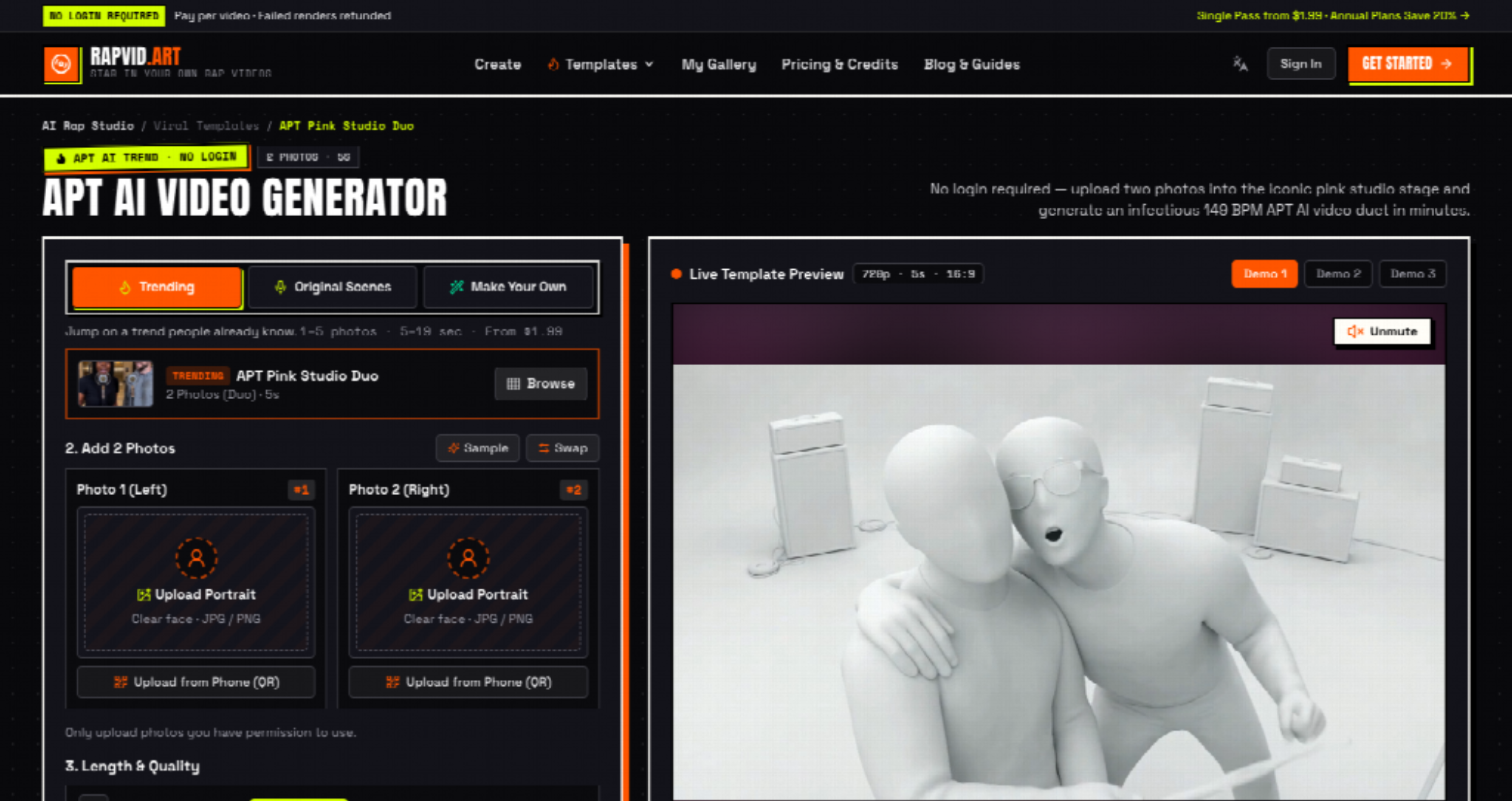
Choosing between traditional filming and AI-assisted video production does not have to be an all-or-nothing decision. Both approaches can serve different purposes within the same promotional campaign.
An artist might use a conventional shoot for an official music video while producing shorter digital visuals for social media. Alternatively, AI-assisted tools could be used to test visual concepts before committing to a larger production.
The most appropriate approach depends on the track, the intended audience, the available budget and the creative outcome an artist wants to achieve.
Independent musicians should consider several factors before making a decision:
- Budget: Calculate the full production cost, including editing, equipment, subscriptions and any additional services.
- Creative requirements: Decide whether the project needs real performances, physical locations or more experimental visual effects.
- Time: Consider how much preparation, filming and post-production the project requires.
- Distribution: Identify the platforms where the finished content will appear and check their technical requirements.
- Quality: Review the final footage carefully to ensure that it represents the music and maintains a consistent visual style.
Ultimately, music video production is about communicating an artist’s creative identity. Traditional filmmaking provides direct control over physical performances and storytelling, while AI-assisted tools introduce additional ways to experiment with digital visuals.
For independent artists in London, understanding the advantages and limitations of both methods can make it easier to allocate resources effectively and develop a visual strategy that supports their music without compromising artistic goals.







