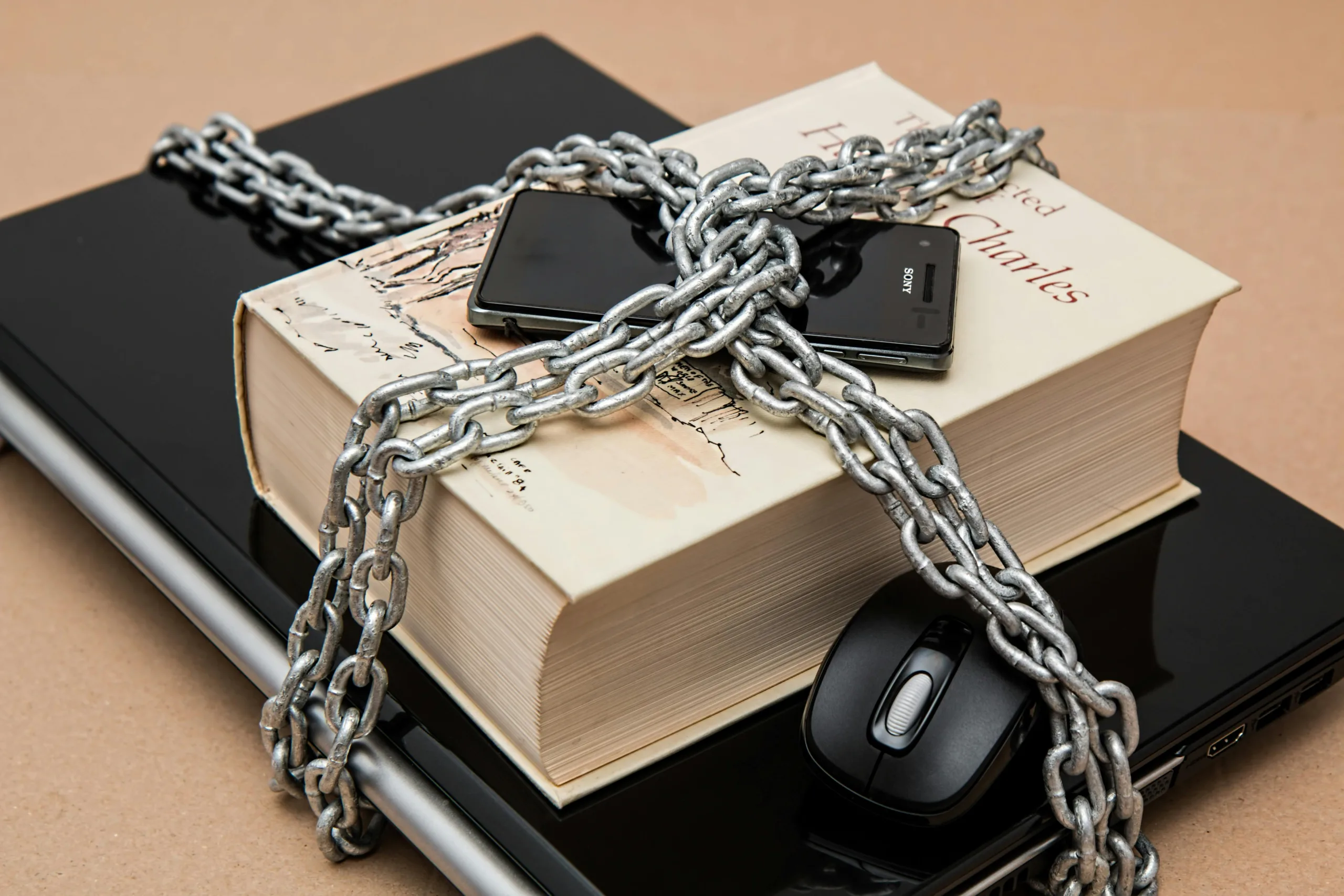

Due to the ease and accessibility it provides, the fast expansion of e-commerce has changed the way people shop all over the globe. To this end, Online stores are more vulnerable to data breaches, fraud, and complex hacking by opportunists. Businesses and consumers are put at risk because cybercriminals are always coming up with new ways to attack vulnerabilities. And to protect online business activities, strong threat intelligence strategies must be put into place.
In this essay, I will explain the value of threat intelligence in retail, the most typical dangers that online stores confront, and some ways to protect yourself and your customers if you own an E-commerce Business.
Retail and the Significance of Threat Intelligence
What is a Cybersecurity Threat Intelligence?
Cybersecurity threat intelligence is the process of gathering, analysing, and using data on current and future cybersecurity risks. Threat intelligence is crucial for online retailers in spotting weak spots, warding off assaults, and limiting monetary and public-image losses.
Retailers deal with sensitive information such as customers’ financial details, personal information, and purchase histories. A successful hack may result in mishandling or Loss of customer confidence, financial responsibilities, and legal fines. Hence, proactive threat intelligence is crucial to safeguarding consumer data and guaranteeing company or business continuity.
Cybercriminals pose a number of risks to e-commerce platforms, endangering both the platforms’ operations and the safety of their customers. Here are a few examples of the most typical dangers:
- Attacks by Swindlers: In an email scam assault, fraudsters try to deceive their targets into divulging important information through misleading emails, texts, or websites. Cybercriminals frequently use scam emails to trick victims into divulging sensitive information, such as login credentials, credit card numbers, and more.
- Inflating Credentials: Criminals use this tactic to gain illegal access to online store accounts by using stolen login credentials from other data breaches. This is still a big problem because many people use the same password for all their online accounts.
- Attacks via Ransomware: When ransomware encrypts a business’s data, the only way to decrypt it is to pay a ransom. Businesses that depend on internet operations 24/7, like e-commerce sites, are especially at risk.
- Carding: Online merchants are targets for automated bots used by cybercriminals to assess the validity of stolen credit card information. Assuming the credentials are legitimate, the criminals will make unauthorised transactions, costing the store money through chargebacks.
Some Strategies to employ for E-Commerce Threat Intelligence
If they want to survive cyberattacks, online retailers need to implement a multi-pronged threat intelligence strategy. Here are some important steps that internet shops can take to safeguard themselves.
Establishing Responsive Security Measures
E-commerce companies can be better prepared to deal with possible dangers and suspicious activity by implementing real-time monitoring systems. Businesses can gain useful insights into network traffic with the help of intrusion detection systems and security information and event management solutions, which allow them to identify anomalies.
By Making Use of Artificial Intelligence and Machine Learning
AI and ML systems analyse massive volumes of data to spot trends that might indicate cyber dangers. Thanks to predictive threat intelligence, businesses may now prepare for and respond to attacks in advance.
Executing Regular Penetration Tests and Security Audits
Regular security evaluations can better discover an e-commerce platform’s vulnerabilities. Penetration testing mimics actual intrusions to find security holes that need fixing.
Initiatives to Raise Staff Knowledge and Understanding
The majority of security breaches are still caused by human error. Employees who receive ongoing cybersecurity training are better able to spot phishing attempts, create and use robust passwords, and adhere to industry standards for protecting sensitive information.
Establishing Multi-Factor Authentication Techniques
By requesting that users confirm their identity using a variety of authentication methods, multi-factor authentication (MFA) increases security. Even if the login credentials are compromised, this prohibits illegal access.
Safeguards for Encrypted Payments
Organisations should use robust encryption mechanisms to safeguard client information during online purchases. Secure payment gateways, tokenisation, and compliance with the Payment Card Industry Data Security Standard (PCI DSS) also enhance transaction security.
Working Together to Share Threat Intelligence
Retailers can gain valuable threat intelligence by cooperating with other retail businesses, government agencies, and cybersecurity groups. Information Sharing and Analysis Centres (ISACs) and similar platforms illuminate new dangers and ways to counter them.
Detection Systems for Automated Fraud 9.
Fraud protection solutions use machine learning to identify questionable transactions and fraudulent behaviours as they occur. These systems examine transaction patterns, IP addresses, and device fingerprints to detect and prevent fraudulent efforts.
A Security Model Based on Zero Trust
The underlying principle of a Zero Trust strategy is that no one, whether inside or outside the company, can be automatically trusted. To reduce potential security breaches, this architecture uses least-privilege access regulations, continuous authentication, and stringent access controls.
Preparing for Incidents and Recovery
Cyber incidents may still happen even when precautions are taken. To reduce the likelihood of downtime and data loss in the event of an attack, e-commerce enterprises should create and maintain incident response strategies. The continuity of a company’s operations is dependent on its disaster recovery plan.
A Retail Giant’s Cybersecurity Challenge: A Case Study
Target Corporation, one of the largest retail chains in the U.S., faced a massive cybersecurity breach during the holiday shopping season of 2013. Cybercriminals managed to infiltrate the company’s network and stole 40 million credit and debit card numbers, along with personal data (names, addresses, emails) of 70 million customers. The attack began when hackers gained access to Target’s network through a third-party vendor, exploiting weak security credentials. Once inside, they installed malware on Target’s point-of-sale (POS) systems, allowing them to infiltrate payment data in real-time. The stolen data was later sold on the dark web.
Threat Intelligence & Response Measures
Target had a FireEye threat intelligence system in place, which detected the breach weeks before the data was stolen. However, key alerts were ignored by security teams. After the breach was made public, Target took the following measures:
- Collaborated with the U.S. Secret Service and cybersecurity firms to investigate the breach.
- Implemented advanced threat detection algorithms to prevent similar attacks in the future.
- Implemented segmentation to prevent vendor systems from accessing payment networks.
- Enforced multi-factor authentication (MFA) for third-party vendors.
- Strengthened its SIEM (Security Information and Event Management) systems for real-time monitoring.
- Accelerated the adoption of EMV chip-enabled cards to reduce card-present fraud.
- Implemented encryption of customer payment data at POS terminals.
- Hired a new CISO (Chief Information Security Officer) and expanded their cybersecurity team.
- Conducted continuous red team exercises to test defences.
In Conclusion
Online retailers face serious danger from cybercriminals whose techniques are becoming more advanced, sketchy, and sophisticated. If strong threat intelligence methods are not in place to combat cybersecurity threats, the retail industry is vulnerable to financial losses, legal consequences, and reputational harm. Online stores may reduce their cybersecurity risks with real-time monitoring, fraud detection powered by artificial intelligence, robust authentication procedures, and ongoing staff training.
By taking a proactive approach to cybersecurity and having a well-structured incident response strategy, online merchants can stay resilient against ever-changing cyber threats. Putting cybersecurity first is no longer a luxury; it is an absolute must in this age of online shopping.