
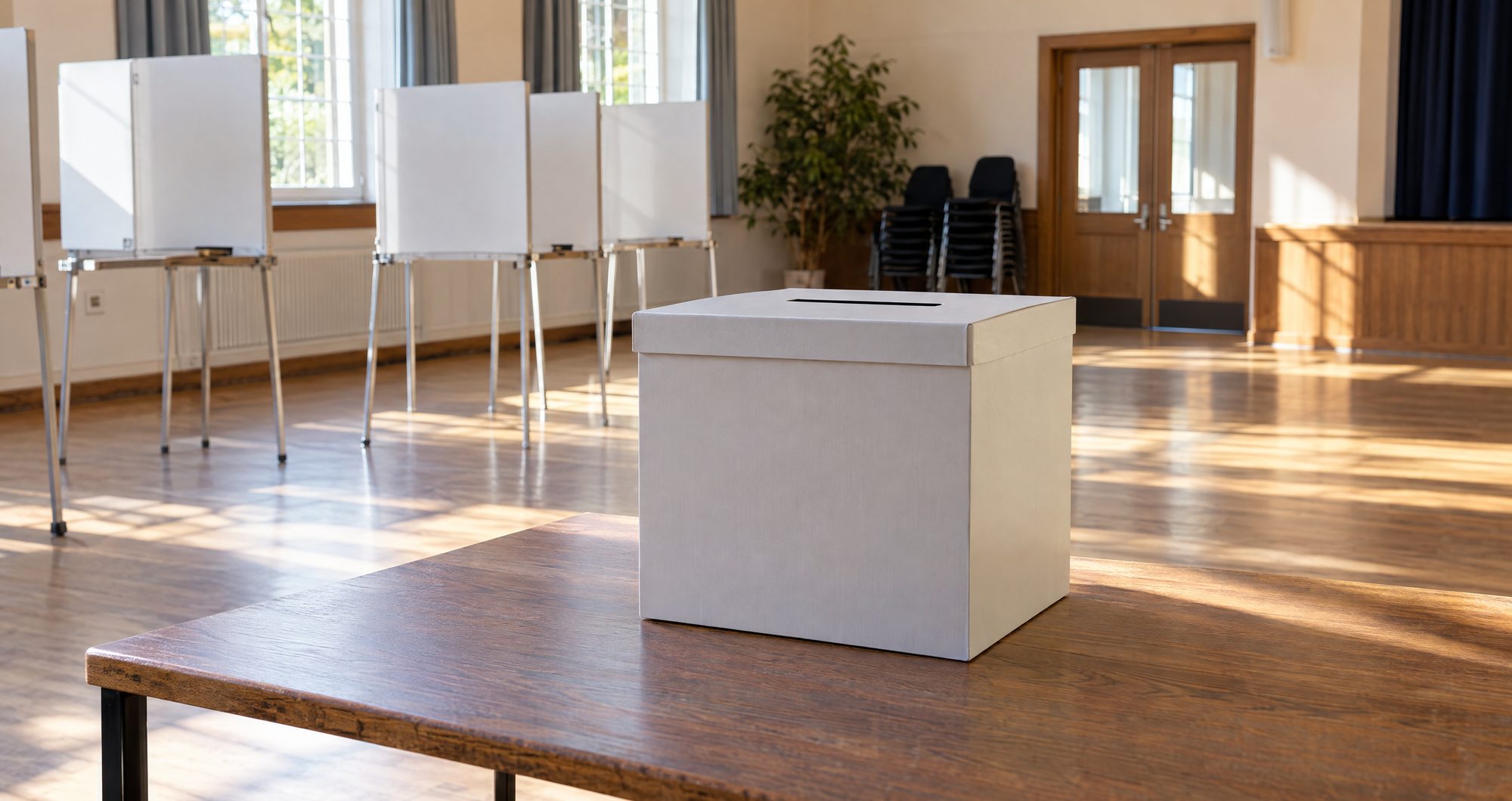

South Sudan has moved its first national elections since independence from 22 December to 11 February 2027, giving electoral authorities more time to prepare for a vote that has already been delayed several times.
The revised timetable, published on 14 November, covers presidential and legislative elections. The new polling date is 51 days later than the one previously scheduled. It is a plan for a future vote, not a guarantee that polling will take place as now envisaged.
Election officials have said the extra time is intended for necessary preparations, including the distribution of voter registration materials, the establishment of registration centres and logistical arrangements. The timetable itself did not set out a reason for moving the date; the explanation was given separately.
Registration and nominations
Voter registration is scheduled to run from 14 to 28 November across South Sudan’s ten states and three administrative areas. Officials have announced 3,161 registration centres and urged eligible citizens to enrol during the window.
Authorities reported that registration began on 14 November at an electoral office in Juba, the capital, and in Kuajok, in Warrap state. Those reported openings do not establish that every centre across the country opened on time or that everyone seeking to register was able to do so.
A civil society representative called for transparency over the date change and said the locations of registration centres had not been published on the day the exercise was due to begin. That concern is about the information available to voters; it is not, by itself, evidence that particular centres failed to operate.
Candidate nominations are scheduled to be received from 14 to 20 December. The electoral process also includes a provisional voter register, opportunities for objections and corrections, and the publication of a final register and candidate lists before polling.
Registration is an important step because it determines who is included on the roll used for the vote. Voters also need a practical way to check their details and seek corrections, while candidates need time to meet the requirements for standing. The published schedule sets out stages for these processes, but setting dates alone does not demonstrate that all preparations are complete.
A transition under pressure
South Sudan became independent from Sudan in 2011. A conflict broke out in 2013 between forces loyal to President Salva Kiir and supporters of his rival, Riek Machar. The two sides signed a peace agreement in 2018, and a transitional unity government was formed in 2020.
Violence has nevertheless continued in parts of the country. Fighting involving government and opposition forces escalated in early 2025, and Machar was placed under house arrest in March that year. He is on trial on charges that he and his co-defendants deny.
In September 2026, Kiir dissolved the transitional unity government and replaced it with a caretaker administration. The change and the election plans have unfolded amid disagreements about the remaining steps in the peace process and who should take part in political dialogue.
Before the date was changed, a senior international peacekeeping official warned of concerns about security, logistics and the ability to organise a credible poll on a compressed timetable. The official also noted that the governing party was holding primaries while there had been very limited electoral activity among other registered parties.
A coalition of South Sudanese civil society organisations had separately argued in late October that the conditions did not support fair, credible, peaceful and inclusive elections within the time then remaining. It called for inclusive dialogue on electoral preparations and the transition. That was an assessment of the conditions at the time, not an electoral result.
What the extra time changes
The additional weeks provide a longer interval for practical work on registration, nominations and election logistics. They do not in themselves settle disagreements over the peace agreement or establish that every voter and party will be able to participate freely.
The country also faces extensive humanitarian needs. An international assessment presented on 10 November estimated that about 10 million people required some form of assistance, while conflict and displacement continued to affect communities. Those pressures form part of the wider setting in which the election must be organised.
The immediate test is whether the revised timetable can be put into practice across the country. The next stages will show how registration proceeds, whether voters can check their entries and how candidates are admitted to the ballot. The eventual conduct of the election will matter as well as the date printed on the schedule.







