
By Joseph Twigg, CEO of Aveni
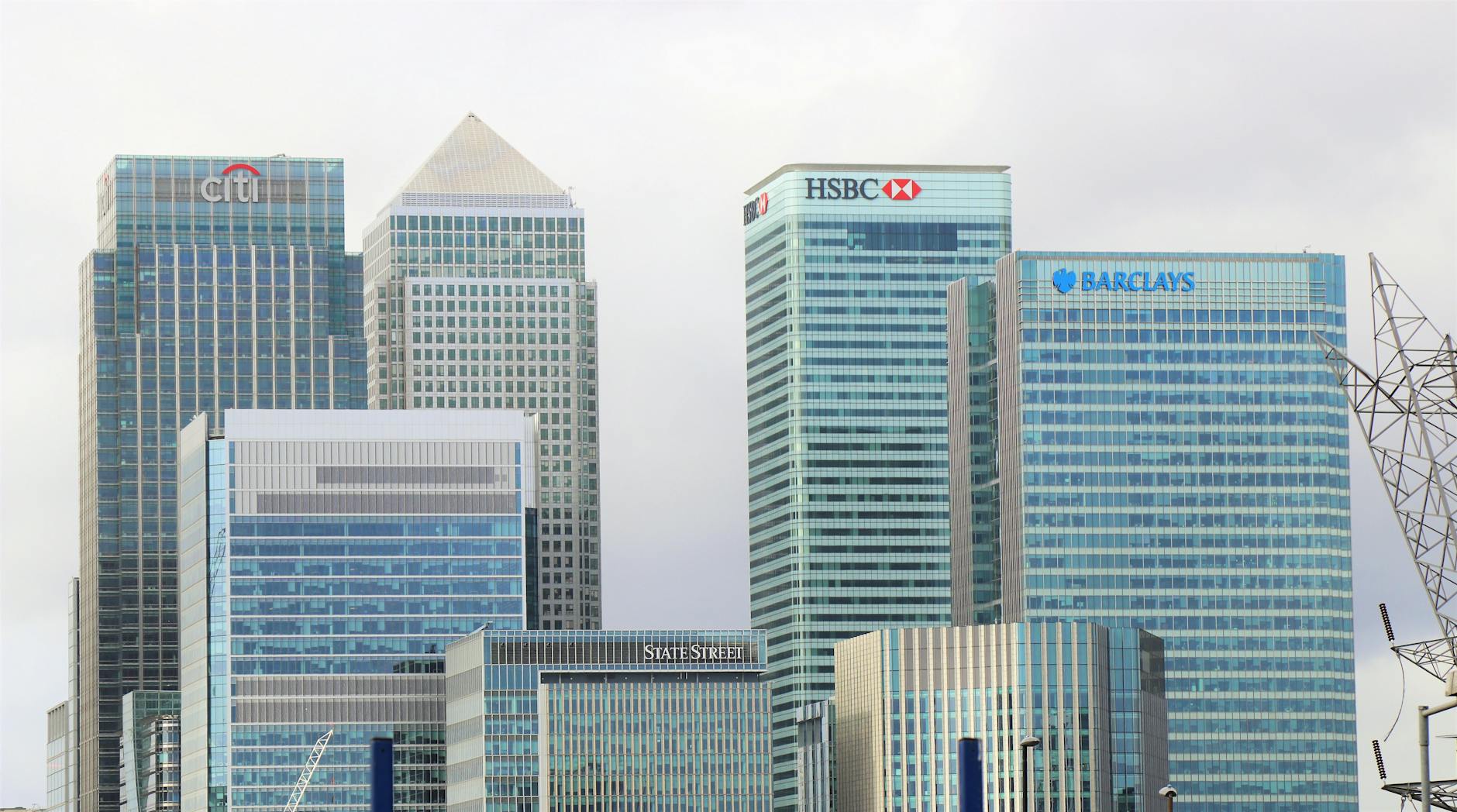
Earlier this month HSBC, Barclays, Lloyds, NatWest and Nationwide moved to keep AI agents out of customer accounts, in some cases banning agents from making payments unless the customer is directly involved. In the US, JPMorgan, Citi, Bank of America and Morgan Stanley have done something similar to stop third-party bots logging in with customers’ credentials.
The US banks were reacting to agents that were already inside accounts. UK lenders have acted before the agents have really arrived, and until someone can say who is liable when a bot gets it wrong, I think that’s the right call. But a ban is a holding position, not a strategy, and it won’t hold for long.
The agents are coming anyway
Meta is preparing to bring Muse, its AI personal assistant, to the UK within weeks. It’s already live in the US, Canada, Japan, Singapore and Mexico, and it’s designed to do things rather than just answer questions, such as paying bills, switching savings accounts and shopping online.
People will use these tools because they’re genuinely useful. An assistant that moves your savings when a better rate appears or chases your energy supplier for you deals with the inertia that costs consumers money every year. Plenty of people will hand over their banking passwords to get that. A ban won’t stop them. It just means the agent gets in through the window, and the bank can no longer tell it apart from the customer.
The risks for consumers are obvious. Shared passwords help fraudsters, and an agent can misread an instruction or be manipulated by a malicious website. Nobody has yet answered the basic question of who pays if an agent moves someone into an unsuitable product: the bank, the agent provider or the customer who authorised it.
Great for the consumer and existential risk for the industry
For banks, the bigger risk is losing the customer relationship. If a big-tech assistant becomes where people manage their money, it decides which savings account gets the deposit and which lender gets the mortgage. The bank still holds the balance sheet and the regulatory liability, but the agent owns the customer, and the bank becomes the plumbing. Sheldon Mills’ review for the FCA warned of exactly this when it said large AI firms could become a major source of market power in financial services.
If banks don’t engage, the hyperscalers won’t wait. Big tech is already in payments, cards and savings, and building a bank of its own is a short step from there. Customers might well get a faster, cheaper service, at least at first. The industry would pay for it. Almost 2.5 million people work in UK financial and related professional services, and losing the distribution layer could have significant economic consequences for the industry. Most of the companies building these agents aren’t British, so the fees and the data would leave the UK too, just as they did with search and app stores.
Britain’s advantage, and its exposure
Open banking was built to increase competition between regulated firms, not to let hyperscalers sit over the industry. But it has also handed AI agents a ready-made, standardised way into customer accounts. If banks set the terms, that’s an advantage: an agent could move money between a customer’s own accounts but not pay anyone new, with strong customer authentication checking anything high risk. If they don’t, it’s the perfect on-ramp for big tech.
The regulation is heading the right way. In October the FCA published its guide to good and poor AI practice and committed to a framework for agentic finance covering agent identity, delegated authority and accountability. Consumer Duty already applies, and it has no exemption for software. The gap is the agent itself. If it recommends, switches or executes, it should carry obligations of its own rather than ride on rails built for regulated firms.
What banks should do now
Open the front door on their own terms, using open banking to give agents controlled, auditable access so customers don’t need to hand over a password. Test every agent before it touches real money, and keep watching it afterwards. And build AI good enough that customers don’t go looking elsewhere, backed by the trust and regulatory standing big tech lacks.
The bans have bought time. Banks can use it to set the terms for agents in British finance, or watch someone else set them and take the jobs and revenue with them.
About the author

Joseph Twigg is CEO of Aveni, a company developing artificial intelligence solutions for the UK financial services industry. He provides commentary on the adoption of AI in banking, financial regulation and the opportunities and risks emerging technologies present for financial institutions and their customers.
Sources:
FCA AI in financial services: good practice and areas for improvement: https://www.fca.org.uk/publications/good-poor-practice/ai-financial-services
FCA Building the future of finance in the age of AI Speech: https://www.fca.org.uk/news/speeches/building-future-finance-age-ai
FCA Mills Review: https://www.fca.org.uk/publications/corporate-documents/mills-review
UK AI agent bank bans: https://www.telegraph.co.uk/business/2026/11/08/banks-ban-ai-from-accounts-over-fears-of-rogue-agents/
US AI agent bank bans: https://finance.yahoo.com/news/us-banks-limit-ai-agents-113229223.html
Meta Muse UK launch: https://www.retailgazette.co.uk/blog/2026/11/meta-to-launch-ai-shopping-assistant-muse-in-uk-within-weeks/
2.5 million people work in UK financial and related professional services: https://www.thecityuk.com/our-work/key-facts-about-uk-based-financial-and-related-professional-services-2026/