
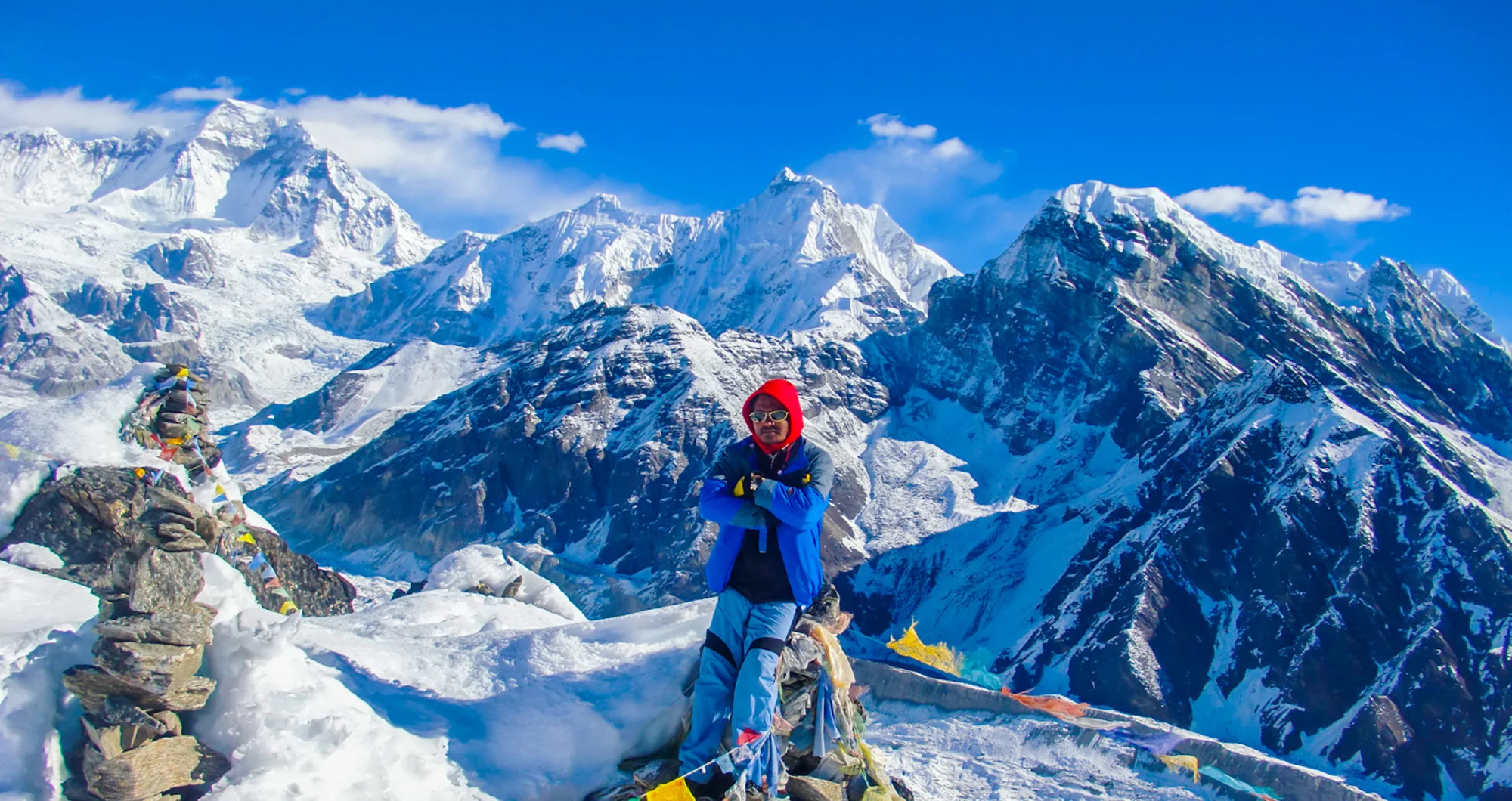

Nestled in the heart of the Himalayas, Nepal is famous for its breathtaking scenes, towering peaks, and peaceful valleys. However, what sets Nepal apart as a trekking goal is its significant social charm, complicatedly woven into the trails that wind through its mountains. From the bustling ways driving to Everest Base Camp to the peaceful isolation of the Manaslu Circuit trek, trekking in Nepal is as much a travel into its wealthy social legacy as it is an investigation of its normal beauty.
The Combination of Nature and Culture
Nepal’s trails are one of a kind in how they consistently combine dazzling scenes with dynamic social encounters. Each trek, whether brief or long, takes travellers through old towns, terraced areas, religious communities, and stupas, advertising impressions into the lives of the assorted ethnic bunches that call these mountains domestic. The social texture of Nepal is an embroidered artwork of conventions, dialects, and religions, making each trekking course an entry to an unmistakable world.
For occurrence, the Everest Base Camp trek is not merely a trek to the world’s most noteworthy top but moreover a social endeavour into the Sherpa way of life. The Sherpas, famous for their mountaineering ability, are overseers of a wealthy Buddhist legacy. Along the path, trekkers experience supplication banners rippling in the wind, unpredictably carved mani stones, and old religious communities like the Tengboche Cloister, which stands as a otherworldly reference point in the midst of the magnificence of the Khumbu region.
Similarly, the Manaslu Circuit trek offers a hint of the Tibetan-influenced culture of the Nubri and Tsum valleys. This moderately off-the-beaten-path trek passes through inaccessible towns where conventional ways of life stay to a great extent untouched by advancement. Here, trekkers can witness age-old ceremonies connected with friars in disengaged religious communities and share in neighbourhood celebrations that celebrate the concordance between individuals and nature.
Everest Base Camp: A Social Pilgrimage
The Everest Base Camp trek is without a doubt one of the most notorious trekking encounters in the world. Be that as it may, past the appeal of standing at the foot of Mount Everest, the travel uncovers a profound association between the Sherpa community and their environment. The path starts in Lukla and winds its way through Namche Bazaar, the dynamic exchange centre of the Khumbu region, some time recently coming to higher altitudes.
Namche Bazaar is a softening pot of societies, where trekkers can inundate themselves in neighbourhood conventions and test Sherpa neighbourliness. The Saturday market is a highlight, where merchandise extending from yak cheese to high-quality makes are exchanged. As the path climbs, trekkers experience sacrosanct destinations like Pangboche Cloister, the most seasoned in the region, and endless chortens (Buddhist hallowed places) that check the otherworldly noteworthiness of the landscape.
Reaching the Tengboche religious community is an otherworldly involvement for numerous. Roasted at 3,867 meters, this religious community is not as it were a centre of Buddhist learning but also a place where trekkers can take part in supplication ceremonies and witness the day-by-day life of ministers. The Everest Base Camp trek, subsequently, gets to be a social trek as much as an adventure.
The Manaslu Circuit trek: A Covered-up Gem
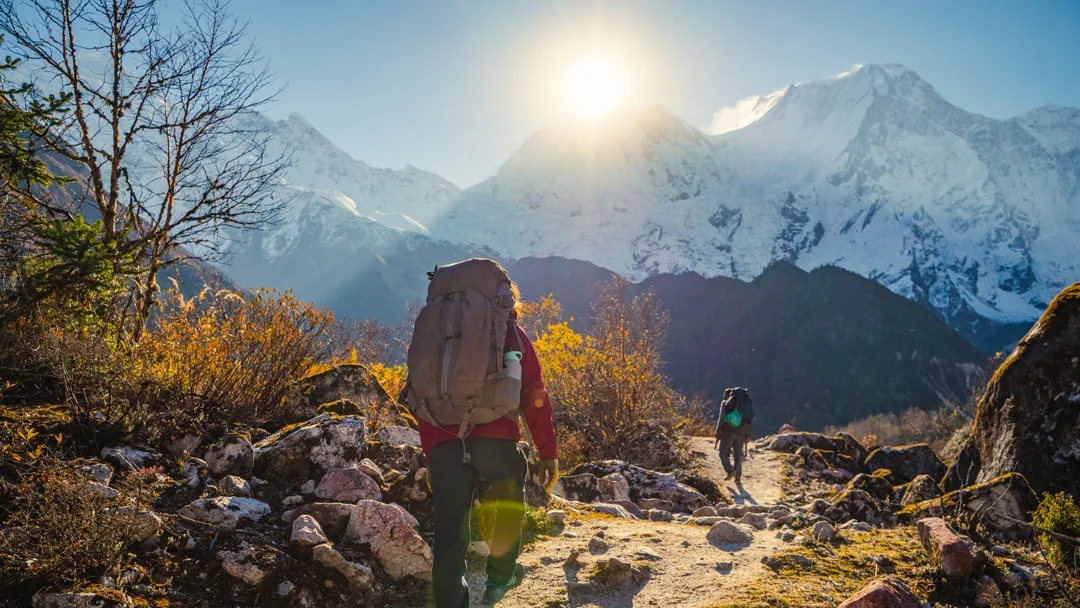
While the Everest Base Camp trek draws worldwide consideration, the Manaslu Circuit trek is an underrated diamond that offers a calmer, yet similarly improving, involvement. Encompassing the magnificent Mount Manaslu, the eighth-highest peak in the world, this trek is a social journey through inaccessible mountain communities.
The trek starts in the subtropical woodlands of Soti Khola and slowly climbs to tall, snow capped territory. Along the way, trekkers pass through towns like Samagaun and Lho, where Tibetan Buddhist impacts are profoundly imbued in everyday life. Mani dividers, supplication wheels, and religious communities speck the scene, serving as updates of the otherworldly legacy that characterises the region.
One of the highlights of the Manaslu Circuit trek is the Larkya La Pass, which stands at 5,106 meters. Crossing this pass is both a physical and otherworldly achievement, advertising breathtaking views of the encompassing peaks. Trekkers regularly portray a significant sense of association with nature and culture as they explore this challenging, however fulfilling, route.
The Part of Celebrations and Traditions
trekking in Nepal offers an interesting opportunity to witness and indeed take an interest in conventional celebrations that are profoundly established in the country’s social legacy. Celebrations like Mani Rimdu in the Everest region or Lhosar (Tibetan Unused Year) in the Manaslu region give trekkers a more profound understanding of the otherworldly convictions and homes of the nearby communities.
Mani Rimdu, celebrated at Tengboche Cloister, is a three-day celebration that combines supplication, move, and music. It is a dynamic show of Buddhist customs and narrating, drawing in ministers, local people, and trekkers alike. So also, Lhosar is a time of communal celebration, checked by feasts, conventional moves, and supplications for success. Partaking in these celebrations adds a layer of social profundity to the trekking encounter, making it genuinely unforgettable.
Sustainable Trekking and Social Preservation
As trekking in Nepal develops in notoriety, the significance of economical tourism cannot be exaggerated. Protecting the social and normal legacy of the trails is basic to guarantee that future eras can proceed to involve their charm.
Local communities play an urgent part in keeping up the social astuteness of Nepal’s trekking courses. Activities like community homestays and eco-friendly lodges not only give trekkers true social encounters but also back the employments of nearby individuals. By choosing capable trekking homes, travellers can contribute to the conservation of Nepal’s special social and natural treasures.
Practical Tips for Social Immersion
To genuinely appreciate the social charm of Nepal’s trails, trekkers ought to approach their travel with an open intellect and an aware state of mind. Here are a few tips for important social immersion:
- Learn Fundamental Expressions: Learning a few words in Nepali or the nearby tongue can go a long way in building associations with the individuals you meet along the way.
- Respect Nearby Traditions: Dress unassumingly, inquire for authorisation some time recently for taking photos, and take after neighbourhood behaviour, particularly when going by religious communities and sacrosanct sites.
- Support Nearby Businesses: Select locally claimed tea houses, buy carefully assembled crates, and take an interest in community-led activities to bolster the neighbourhood economy.
- Engage with local people: Take the time to connect with villagers, tune in to their stories, and learn about their conventions and way of life.
Why Go Trekking in Nepal?
Diverse Scenes and Dazzling Peaks
Nepal is home to eight of the world’s fourteen most elevated peaks, counting Mount Everest. Trekking here implies strolling in the midst of towering mountains, lavish valleys, and peaceful elevated meadows.
Rich Social Experiences
Nepal’s trails take you through towns where antiquated conventions are still lively. The Sherpa individuals along the Everest Base Camp trek or the Gurung communities on the Manaslu Circuit trek offer a glimpse into their interesting ways of life.
Adventure for All Levels
From beginner-friendly courses like the Ghorepani Poon hill trek to the challenging Manaslu Circuit trek, Nepal has trails for each level of adventurer.
What to Expect on Nepal’s Trails
Spectacular Scenery
Expect unparalleled views of snow-capped peaks, emotional scenes, and perfect waterways. Everest Base Camp offers close-up views of Mount Everest, whereas the Manaslu Circuit trek rewards you with views of the magnificent Manaslu massif.
Cultural Encounters
Nepal’s trails are dabbed with religious communities, supplication banners, and stupas. You’ll meet local people who are inviting and enthusiastic to share their culture.
Physical Challenges
Trekking in Nepal frequently includes long days of climbing with noteworthy elevation changes. Legitimate acclimatisation and wellness are key to getting a charge out of the experience.
Best Time to trek in Nepal
Spring (May)
Spring is one of the best times for trekking in Nepal. The climate is mellow, and the rhododendrons are in full blossom, adding dynamic colours to the trails.
Autumn (September to November)
Autumn is the most well-known trekking season, much obliged to clear skies and direct temperatures. It culminates for both Everest Base Camp and the Manaslu Circuit trek.
Winter (December to February)
While winter offers clear skies and fewer swarms, a few high-altitude passes may be closed due to snow. The lower-altitude treks are still accessible.
Monsoon (June to August)
Monsoon season brings overwhelming precipitation, making trails dangerous and challenging. In any case, the Manaslu Circuit trek, being in a rain shadow zone, can still be an option.
Accommodation Choices on Nepal’s Trails
Tea Houses
Tea houses are the most common shape of convenience, particularly on prevalent courses like Everest Base Camp. They offer essential conveniences such as a bed, hot suppers, and, in some cases, Wi-Fi.
Camping
Camping is required for inaccessible treks like the Manaslu Circuit trek, particularly in regions where tea houses are scarce.
Luxury Lodges
For a more comfortable involvement, a few courses offer extravagant lodges with private rooms, hot showers, and gourmet meals.
Permits Required for Trekking in Nepal
Everest Base Camp Trek
- Sagarmatha National Stop Passage Allow: Required for all trekkers.
- Khumbu Pasang Lhamu Country Region Allow: Presented as of late for trekking in the Khumbu region.
Manaslu Circuit Trek
- Manaslu Confined Region Allow: Required due to its confined zone status.
- Annapurna Preservation Zone Allow (ACAP): Required for the area of the trek that covers the Annapurna region.
Conclusion
The social charm of Nepal’s trails lies in their capacity to transport trekkers past the physical act of strolling into a domain of significant social revelation. Whether setting out on the notorious Everest Base Camp trek or investigating the quiet excellence of the Manaslu Circuit trek, trekking in Nepal is an unparalleled travel through scenes of awe-inspiring excellence and societies of surprising profundity. By grasping the wealthy conventions and most profound sense of being that characterise these trails, trekkers not only improve their own encounters but also contribute to the conservation of Nepal’s exceptional legacy.
FAQs About Trekking in Nepal
How Troublesome Are Nepal’s Treks?
The trouble ranges from simple (like Poon hill) to challenging (like the Manaslu Circuit trek). Appropriate planning is key.
Do I Require a Guide?
For confined regions like the Manaslu Circuit trek, an authorised direct is required. For others, it’s discretionary but exceedingly suggested for security and social insights.
What Ought I to Pack?
Pack basics like warm clothing, trekking boots, a resting pack, and snacks to begin with help. Leasing equipment in Kathmandu is moreover an option.
How Do I Acclimatize?
Acclimatise by climbing continuously, remaining hydrated, and taking rest days. Numerous treks have built-in acclimatisation days.
Is Travel Protection Necessary?
Yes, it’s fundamental, particularly for high-altitude treks. Guarantee your protections cover crisis evacuations.
Booking process
Booking a trek with Hiking Bees is simple and convenient. Visit our website at https://hikingbees.com, browse the available treks, and select your preferred package. Click “Book Now” to fill out the required details, including your travel dates and personal information. Secure your reservation by making a payment through their safe online system. Once confirmed, you’ll receive a detailed itinerary and pre-trek guidelines to prepare for your adventure!
For inquiries, feel free to reach out to us at [email protected] or via Whatsapp at +977986-0617338







