
The importance of recovery
Whatever the motivation for wanting to work out, integrating enough time to recover (properly!) into your fitness regime is essential to feel fitter, stronger and healthier – and not just in the physical sense, but mentally too. Below are a number of reasons why recovery matters so much:
- Muscle repair and growth – exercise creates tiny tears in your muscle fibres that need time to heal, making your muscles stronger. Without sufficient rest, muscles don’t have the chance to repair, hindering growth and making injuries more likely.
- Reducing soreness – recovery alleviates Delayed Onset Muscle Soreness (DOMS), which peaks 24-72 hours after exercise. Recovery allows your muscles to heal properly.
- Energy replenishment – exercise burns energy. Intense workouts deplete your glycogen stores – a key energy source – and recovery allows these energy reserves to rebuild.
- Preventing injury and overtraining – rest prevents chronic fatigue, reducing your risk of injury, and improves your performance in the long run.
- Immune system health – intense exercise suppresses your immune system, making you more susceptible to colds and minor infections. Rest is essential to avoid this, as it allows your immune system to return to normal.
- Mental resilience – rest, including sleep and low-stress activities, keeps you mentally fresh and motivated to continue with your workout regime.
- Enhanced performance – with proper recovery, you’re better prepared to push yourself further in your next session and each session thereafter.
Taking time to recover is an essential part of you reaching your fitness goals. Resting your body keeps you strong, healthy and mentally ready to take on your next workout.
But why is it sometimes overlooked?
Despite the reasons above highlighting the importance of recovery, it is frequently undervalued in fitness routines, meaning people can miss out on essential resting periods – not realising that recovery is critical for muscle repair, injury prevention and long-term improvements in your performance.
Another reason it can be overlooked is the fear of falling behind. Many worry they’ll lose their progress if they slow down, creating a cycle which can lead to overtraining and burnout. Ironically, this mindset is more likely to lead to setbacks like injuries or chronic fatigue, ultimately hindering progress rather than speeding it up.
Modern technology also plays a role. With our phones and devices constantly within reach, it can feel hard to disconnect, blurring boundaries between work, personal life and rest. But perhaps the most common reason recovery is overlooked is that the benefits aren’t immediately visible. A fitness journey takes time, and in an environment that often values instant results, scheduling rest days can feel counterintuitive. By understanding these common barriers, we can start to reframe recovery – consistency is king and you need to trust in the process – recovery being a key component of said process, bringing around short-term relief and long-term rewards.
How to do recovery right
Recovery accelerates muscle repair, reduces the risk of injury, optimises your performance and aids with stress relief and relaxation but recovering right comes in all different shapes and sizes. Here are some great strategies that may work for you:
- Cool down – cooling down aids recovery by gradually lowering your heart rate, improving blood flow to reduce soreness, keeping your muscles ready for your next workout.
- Sleep – aim for 7-9 hours of quality sleep to promote recovery and support hormone regulation.
- Hydration – rehydrate to replace fluids lost through sweat. Drinking lots of water also helps with nutrient transportation.
- Nutrition – to recover properly you also need to fuel your body right. Ensure you’re having a balanced diet with adequate protein, carbohydrates and fats to support muscle repair and energy restoration.
- Active recovery – low-intensity activities like walking or yoga can help with your circulation and overall recovery without additional strain. Stretching is another low-intensity activity that reduces muscle tension, prevents stiffness and promotes blood flow.
At BFT, recovery is as important to us as the workouts you do. Throughout all our studios, we encourage all our members add recovery to their training programmes, educating them on recovery’s importance. Recovery is vital – it’s essential for lasting progress. Remember, your fitness journey is a marathon, not a sprint, and embracing recovery will help make you stronger, more motivated and keep you on track towards your goals – trust the process, and recovery is a key component of said process.
Why community training is the fitness trend that’s here to stay
For a long time, fitness has been sold as a solo mission – headphones in, head down, get it done. But if the past few years have taught us anything, it’s that training alone isn’t always what keeps us going. Motivation dips, life gets busy and suddenly that once-solid routine starts to slide. People don’t just want better workouts; they want better experiences. The 2025 UK fitness report suggests community fitness is as much a key element of people’s fitness journeys as costs, accessibility and technology1.
At Body Fit Training (BFT), we see it every day. When people train together, they show up more consistently, push themselves further – and enjoy the process a whole lot more. And the benefits go beyond physical results too. Training as part of a community supports mental wellbeing, giving people connection, confidence and a positive anchor in their week.
Motivation hits different when you’re not alone
Training on your own relies heavily on willpower. And willpower doesn’t always show up when you need it most. Community training takes some of that pressure away by building accountability. When you know there are familiar faces working with you, it’s easier to turn up – even on the days you’d rather stay on the sofa.
There’s also a mindset shift happening. You’re no longer relying on self-discipline – you’re part of a shared effort. Encouragement from coaches, support from others in the room and a bit of friendly competition can all help push you further – often without even noticing. And the best part? You don’t need to be super fit, experienced or confident to get started. You just need to turn up. Everything else builds from there.
Consistency beats perfection
Most people don’t stop training because it’s too hard. They stop because it becomes repetitive, lonely and difficult to fit around real life. Group sessions naturally create rhythm in the week. They add structure, routine and a reason to commit regularly, rather than relying on short bursts of motivation that fade fast. Over time, that routine becomes habit – and habits lead to long-term results.
Showing up consistently will always beat chasing the ‘perfect’ workout – if that even exists! Progress comes from doing the basics well, week after week. And it’s a whole lot easier when you feel connected to the people training alongside you.
Fitness is becoming a social space again
Gyms are no longer just places to train in and leave. The last few years have shown they’re becoming spaces where people feel welcomed, supported and part of something. In fact, members who attend more than two group classes a week are 50% more likely to stay engaged beyond a year2.
Why? Well, community training offers social connection without forced socialising. You don’t need to plan meetups or make awkward small talk – relationships evolve naturally through shared effort and progress. This matters more than ever, especially for people working remotely, those who are new to a city or those simply looking for more connection in their week. At BFT, we know there’s a lot more to a workout than actually working out – we focus on the community around it, because that’s what keeps people coming back.
Community training supports mental wellbeing
We know exercise is good for mental health, but training together takes those benefits even further. In the UK, 76% of gym-goers say mental wellbeing is a key reason to keep coming back3 – a clear sign fitness is about more than just physical results.
So, how does training together support your mental health? Here are a few key ways:
- Reduced stress – moving together helps you switch off from work, screens and daily pressures
- Improved mood – shared energy, encouragement and endorphins make sessions feel uplifting rather than draining
- A sense of belonging – being recognised, supported and part of a group builds confidence and connection
- Routine and structure – having set sessions creates a positive rhythm in the week.
Over time, training becomes something to look forward to – rather than something to squeeze in. It’s a break from isolation, a boost for mental health and a reminder that fitness is about feeling good, not just getting fitter.
At BFT, we see first-hand how powerful community can be. It’s the number one reason why our members continue to train with us. And the strongest fitness trend will always be the one people actually stick to.
1 UK health & fitness report, Sport England, March 2025
2 ACSM worldwide fitness trends, Future directions of the health and fitness industry, November 2025
3 The Guardian, UK gyms busier than ever, April 2025
About the author:
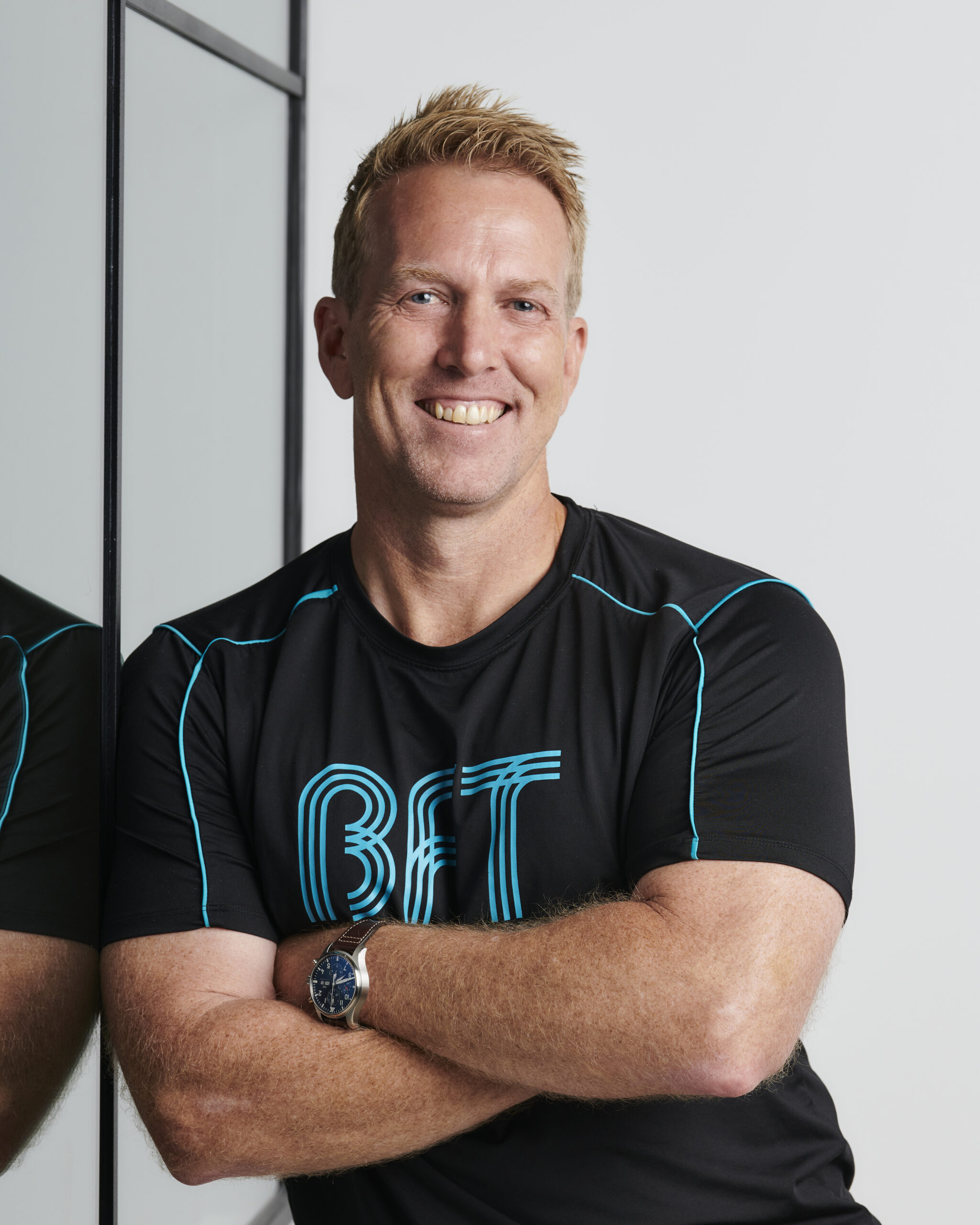
Cameron Falloon is the founder of global boutique fitness brand, Body Fit Training (BFT). Founded in Melbourne, Australia in 2017, BFT rapidly emerged as a major player in the fitness industry, with their studios combining progressive, science-backed programming with community-driven group fitness training. Now, with over 300 studios across the globe, BFT is continuing to expand its footprint, especially here in the UK. For more information, please visit https://www.bodyfittraining.au/
The brand has several existing studios across London, including:
BFT Battersea – https://www.bodyfittraining.au/club/battersea
BFT Hackney – https://www.bodyfittraining.au/club/hackney
BFT East Croydon – https://www.bodyfittraining.au/club/east-croydon
BFT Greenwich – https://www.bodyfittraining.au/club/greenwich
BFT Streatham – https://www.bodyfittraining.au/club/streatham