
Wales has set out a new emergency-care framework with an ambition to help more patients return home within 72 hours where clinically appropriate, backed by up to £23.3 million for implementation.
Emergency and Acute Care Wales covers the journey from an emergency arising through to treatment and recovery at home. It combines faster access to urgent help with a stronger emphasis on community services, same-day treatment and avoiding hospital stays that are longer than clinically necessary.
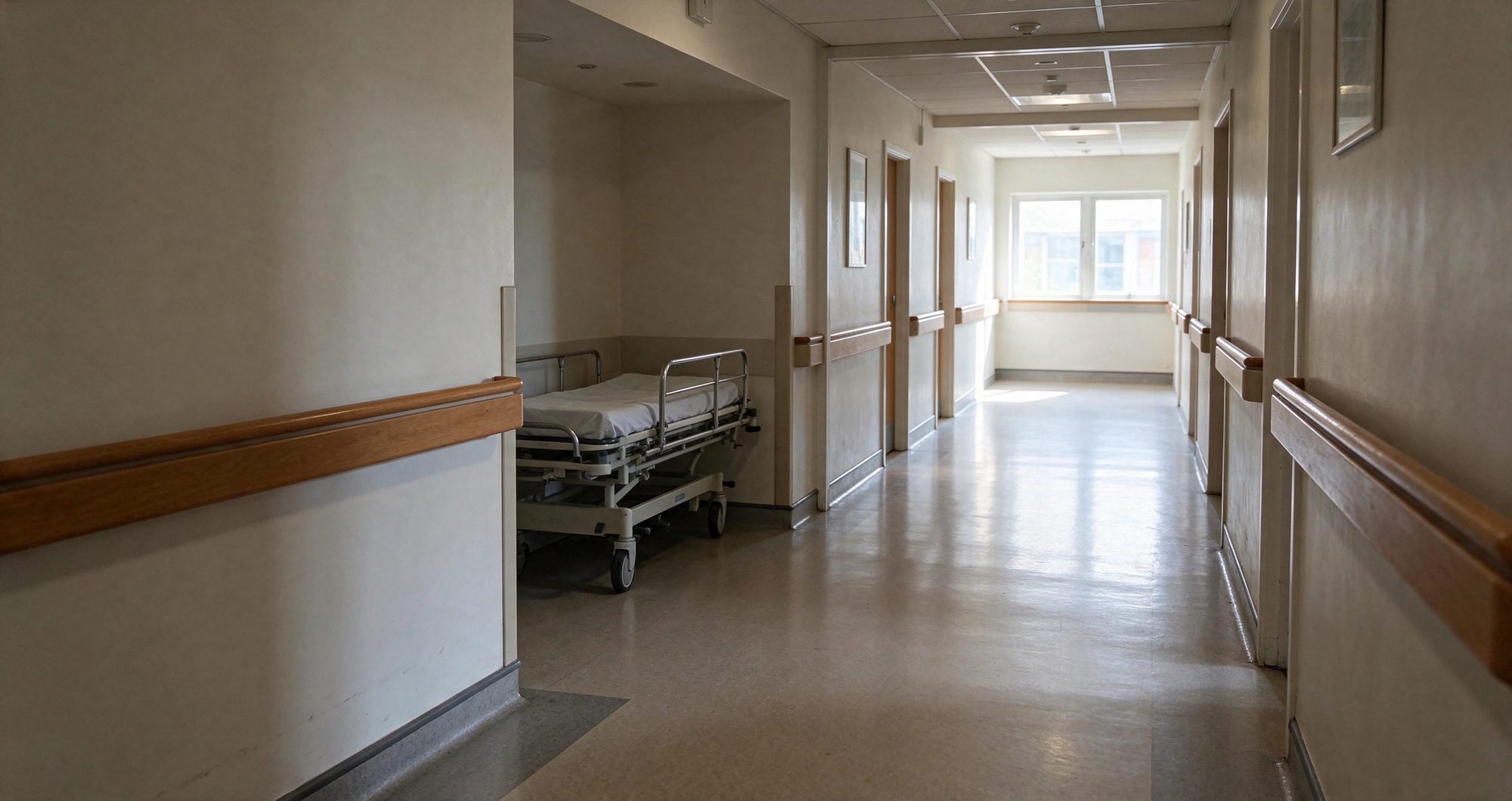
The framework also aims to eliminate corridor care and treatment in other unsuitable spaces. That is a commitment to change how care is delivered, not an announcement that the practice has already ended.
More care outside hospital
The plan’s two central expectations are rapid access to emergency and time-critical care, and keeping hospital stays limited to the time patients need for clinical reasons. More care at home or in the community is intended to prevent unnecessary trips to emergency departments and avoid admissions when hospital treatment is not required.
People with time-critical conditions should reach the appropriate specialist service as quickly as possible. Stroke services are one example of the care that needs a rapid response. The approach is intended to connect patients with the service suited to their needs, rather than treating every emergency as requiring the same route through hospital.
For patients who do need acute hospital care, the first 72 hours will concentrate on assessment, diagnostic tests, treatment, senior clinical decisions and recovery. More people should receive same-day care, while those admitted should be supported to return home within 72 hours when that is clinically appropriate.
The clinical qualification is important: the ambition is not a requirement to discharge every patient after three days. Decisions about the length of a stay remain tied to the person’s care needs.
Planning for recovery and discharge should begin as early as possible. Services are expected to work across seven days to reduce unnecessary delays, linking hospital treatment with the support people need when they leave.
The framework places particular emphasis on personalised care for older and frail people, those living with dementia and people approaching the end of life. It aims to address inequalities and support people to remain at home, or recover there, wherever possible.
Implementation and scrutiny
NHS Wales Performance and Improvement will develop implementation and improvement support plans with NHS Wales and its partners. Those plans will set responsibilities for each organisation involved in the emergency-to-recovery pathway.
Up to £23.3 million will be available to support that work and accelerate improvements. The figure describes the implementation support available, rather than money already spent or proof that the intended service changes have been delivered.
Progress will be reported publicly every year. Measures will be developed with NHS Wales, and the framework is due to be reviewed in 2030, providing a timetable for scrutiny beyond the initial announcement.
The Welsh NHS Alliance has welcomed many of the ambitions while calling for practical involvement from NHS leaders, clinicians and wider partners. Its concerns extend across access to primary and community care, hospital capacity and pressures on social care.
The Alliance wants the ambitions matched by investment, workforce capacity and cooperation across the health and care system. Its response places the emphasis on turning the framework into changes experienced by patients and staff, rather than treating publication of a plan as sufficient.
Building lifesaving skills
A further ambition is for Wales to become a Nation of Lifesavers by 2029. The aim is to give more people the confidence to recognise cardiac arrest, call for help and begin cardiopulmonary resuscitation, or CPR.
The framework will build on community first responders and volunteers, and explore opportunities to increase CPR awareness among children and young people. It will also consider whether technology such as drones carrying defibrillators could help save lives. Those possibilities remain part of the planned work, rather than confirmed new services.