
In an industry built on exclusivity, prestige, and scarcity, the idea that replica luxury handbags—once dismissed as low-quality counterfeits—could become mainstream may sound counterintuitive. Yet, as fashion and consumer behaviour evolve, the line between authentic and replica is becoming more blurred than ever.
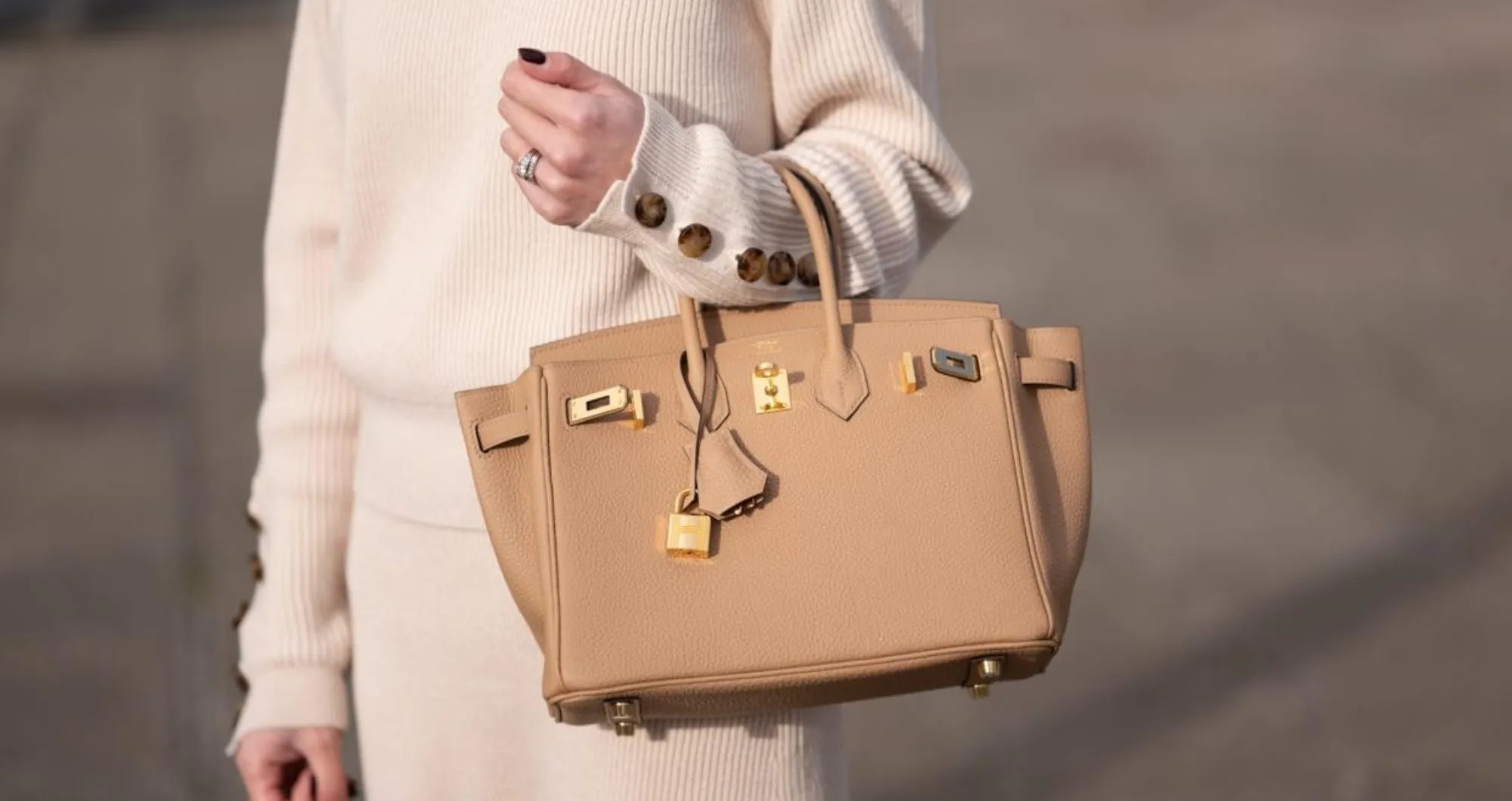
Among all high-end fashion accessories, Hermes bags—especially the Kelly and Birkin—stand as the ultimate status symbol. But as demand soars and prices climb ever higher, consumers are questioning not just the value of luxury but also the fairness of access. Could a time be approaching when Hermes bags imitations are not only accepted but normalised?
The luxury paradox: Desire vs. accessibility
At the heart of the luxury industry lies a contradiction: while luxury brands market aspiration and lifestyle, their pricing and availability exclude the vast majority of potential consumers. Hermes in particular thrives on scarcity. Its most iconic models are not readily available for purchase, even if one can afford them. Waitlists, relationships with sales associates, and store purchase history often determine who gets access to these exclusive items.
This scarcity has created fertile ground for a parallel economy: the replica market. No longer defined by poor-quality knockoffs, today’s high-end replicas offer remarkable craftsmanship, genuine leather materials, and accurate design details. The shift from “cheap fakes” to “super replicas” is already underway, and consumers are responding.
Evolving consumer attitudes: Ethics, economy, and identity
A growing number of consumers are rethinking their relationship with luxury, prompted by several intersecting trends:
- Economic pressure: Inflation, rising living costs, and post-pandemic financial uncertainty have forced many consumers to reassess their spending habits. While they still crave beauty and quality, they are less willing to overpay for a logo.
- Ethical questions: With increased scrutiny on labor conditions, environmental sustainability, and corporate transparency, some shoppers question whether luxury brands live up to their ethical claims. Paying $10,000 for a bag made in a tax haven or factory with questionable practices doesn’t sit well with everyone.
- Changing status symbols: For Gen Z and younger millennials, luxury is less about showing off wealth and more about personal expression. A replica bag that looks and feels great can serve the same social function—without the financial burden.
Technology is narrowing the gap
Advancements in manufacturing, 3D modelling, and digital quality control are transforming the replica landscape. Artisans behind the best replicas study authentic pieces in granular detail, replicating stitching patterns, hardware materials, interior linings, and even packaging.
The internet also plays a role. Online communities share detailed reviews of replica Hermes bags, compare them side by side with authentic versions, and offer insights on which factories or sellers produce the most accurate versions. These forums aren’t hidden in the shadows—they’re often more informative than official retail websites. It’s this democratisation of knowledge and access that is most threatening to the traditional luxury model. When consumers can make educated decisions about quality and value, they begin to question the premium charged by original brands.
Replica Hermes bags and the new luxury narrative
To be clear, the replica market still occupies a legal grey zone. Trademark laws and intellectual property rights exist for valid reasons, and most countries enforce them with varying degrees of intensity. However, enforcement alone doesn’t stop consumer behavior from evolving.
In fact, some argue that high-end replicas have started to create their own aesthetic identity. Slight variations in colour, strap length, or leather finish can distinguish replicas from originals in a way that feels intentional—not deceptive. As fashion becomes more inclusive and experimental, these variations may even be seen as desirable.
Moreover, the stigma attached to replicas is eroding. Influencers, stylists, and even celebrities have been spotted using high-quality replicas, sometimes openly. Social media is filled with unboxing videos and replica reviews that focus more on craftsmanship and wearability than brand worship.
The risks and realities
That said, normalisation of replicas isn’t without complications. There are risks involved in purchasing replicas—especially low-quality ones. Consumers must navigate a marketplace filled with misinformation, scams, and varying levels of product quality. Additionally, those who equate ownership of luxury items with social status may still look down on replicas, even if they can’t distinguish them in person.
Luxury brands, for their part, are adapting. Some have introduced more accessible entry-level products, expanded second-hand channels, or embraced personalisation to maintain brand loyalty. Others have tightened supply even further, doubling down on exclusivity as their core strategy.
Yet, as the replica market continues to mature, it may no longer be relegated to the sidelines. For many consumers, especially those in younger generations, the decision to buy a replica isn’t about deception—it’s about agency, autonomy, and value.
A new normal?
The normalisation of replica Hermes bags may not mean they will appear on the shelves of department stores or be openly sold alongside authentic items. But it does suggest a shifting cultural narrative, one where authenticity is no longer the sole marker of value. Craftsmanship, practicality, and personal expression are gaining ground as equally valid criteria.
Just as second-hand luxury became mainstream through platforms like The RealReal and Vestiaire Collective, high-end replicas may follow a similar arc—from taboo to trend, from exception to expectation. And in this evolving ecosystem, one thing is certain: the future of luxury will no longer be written solely by legacy brands.
And as replica appreciation spreads beyond Hermes, even brands like Fendi are seeing their iconic styles reproduced with impressive detail—proving that high-quality fendi replicas are no longer just a niche interest, but part of a broader cultural shift.