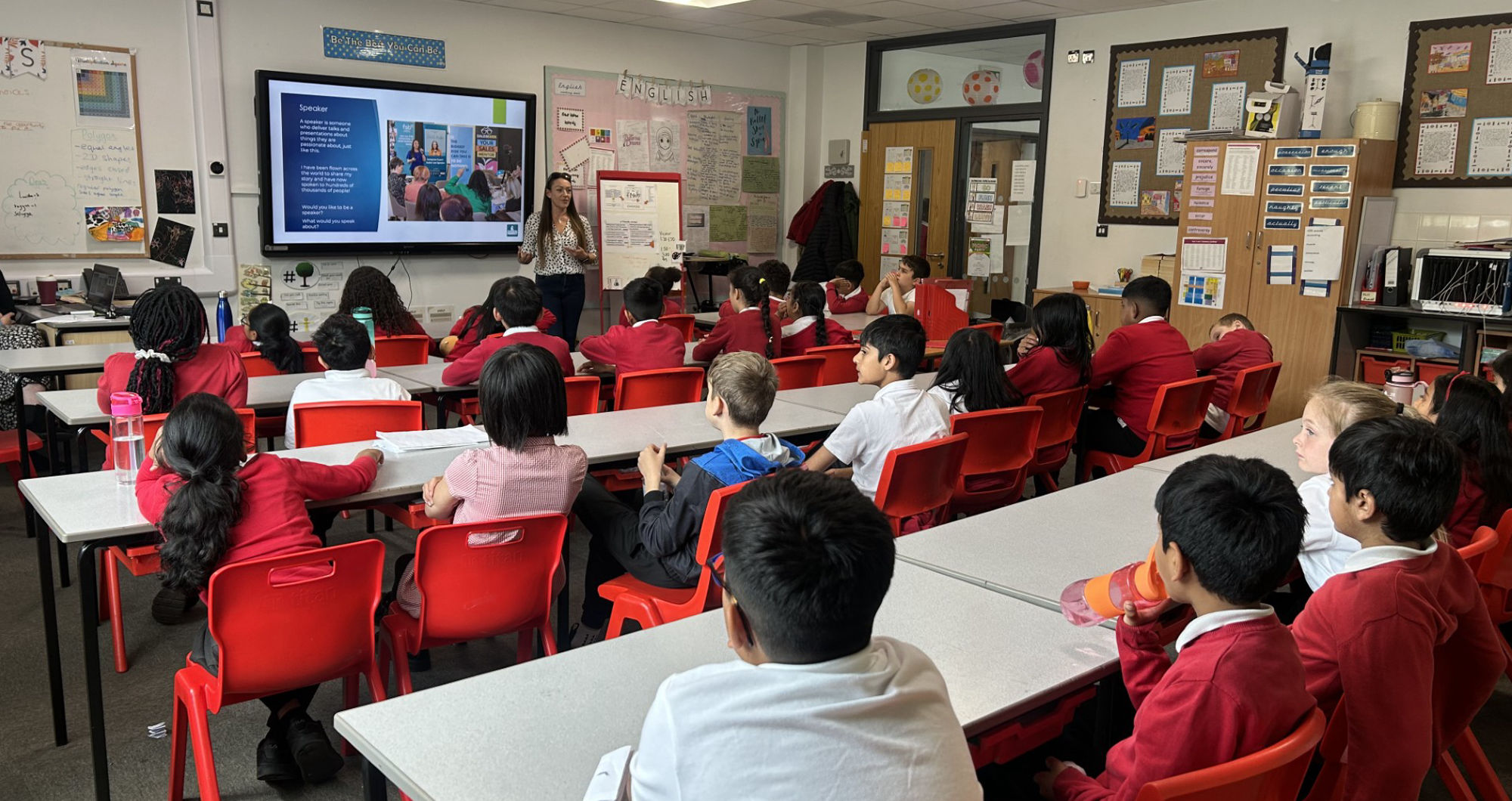

As discussions continue around skills shortages and the future workforce, one opportunity is often overlooked.
More entrepreneurs need to be spending time in schools.
For years, careers education has focused on helping students understand traditional professions. However, the world of work has changed dramatically. Today, young people are entering a job market filled with opportunities in digital marketing, content creation, e-commerce, personal branding, podcasting and artificial intelligence.
Many of these careers did not exist a decade ago. Yet they are now creating opportunities for thousands of people across the UK.
The challenge is simple. Many young people still do not know these careers are available to them.
Why role models matter
Research consistently shows that encounters with employers can have a positive impact on aspirations, confidence and career awareness.
The Gatsby Benchmarks, widely recognised as the standard for careers education in England, identify meaningful employer encounters as a key factor in helping students make informed decisions about their futures.
In other words, young people need to see what is possible before they can imagine it for themselves.
This is where entrepreneurs can make a real difference.
Unlike textbooks, business owners can share real-world experiences. They can talk honestly about setbacks, successes and lessons learned. As a result, students gain a clearer understanding of what life beyond education can look like.
Furthermore, entrepreneurs often introduce young people to career paths they may never have considered.
Bringing careers to life
East Midlands entrepreneur, author and speaker Estelle Keeber has seen this impact first-hand.
Over the past few years, she has worked with schools, colleges and alternative provisions across the region. Her workshops focus on entrepreneurship, digital careers, social media, confidence and employability skills.
Having built successful businesses and secured national media coverage, Keeber is passionate about helping students connect classroom learning with real-world opportunities.
“I know exactly what it feels like to sit in a classroom and wonder what your future might look like,” she said.
“I grew up in a single-parent family on a Leicester council estate and attended a secondary school that was later closed down. If someone had told me then that I would go on to build successful businesses, become an author, appear on national television and stand at the front of classrooms inspiring young people, I would never have believed them.
“That’s why this work matters so much to me. Young people need to see examples of what’s possible.”
Recently, Keeber delivered a careers workshop at Orchard Mead Academy. During the session, students created their own businesses, developed marketing campaigns and pitched their ideas in a Dragon’s Den-style challenge.
The response was overwhelmingly positive.
In fact, 100% of students who completed a feedback form said they would recommend the workshop to other students.
Students highlighted improvements in confidence, teamwork, communication and creativity. Many also spoke positively about seeing their ideas come to life.
One student said their favourite part was “making the brand and making it come together”. Another enjoyed the opportunity to “express yourself as a person and show your personality and interests”.
The impact beyond the classroom
The benefits of entrepreneurial engagement extend far beyond a single workshop.
Lizzie Griffiths, Careers Lead at Orchard Mead Academy, praised the impact the session had on students.
“The engagement throughout the workshop was fantastic. What impressed me most was seeing students who can sometimes be harder to engage becoming fully involved in the activities and genuinely enjoying themselves.
“The practical nature of the session, combined with the opportunity to work as a team and present their ideas, really captured their interest.
“The feedback from students has been overwhelmingly positive, and I would highly recommend Estelle to other schools looking to inspire young people and help them connect their learning to real-world careers.”
Importantly, sessions like these help students understand why subjects matter.
Suddenly, maths becomes analytics.
English becomes communication and storytelling.
Meanwhile, STEM skills become innovation, problem-solving and critical thinking.
Consequently, students begin to view education through a different lens.
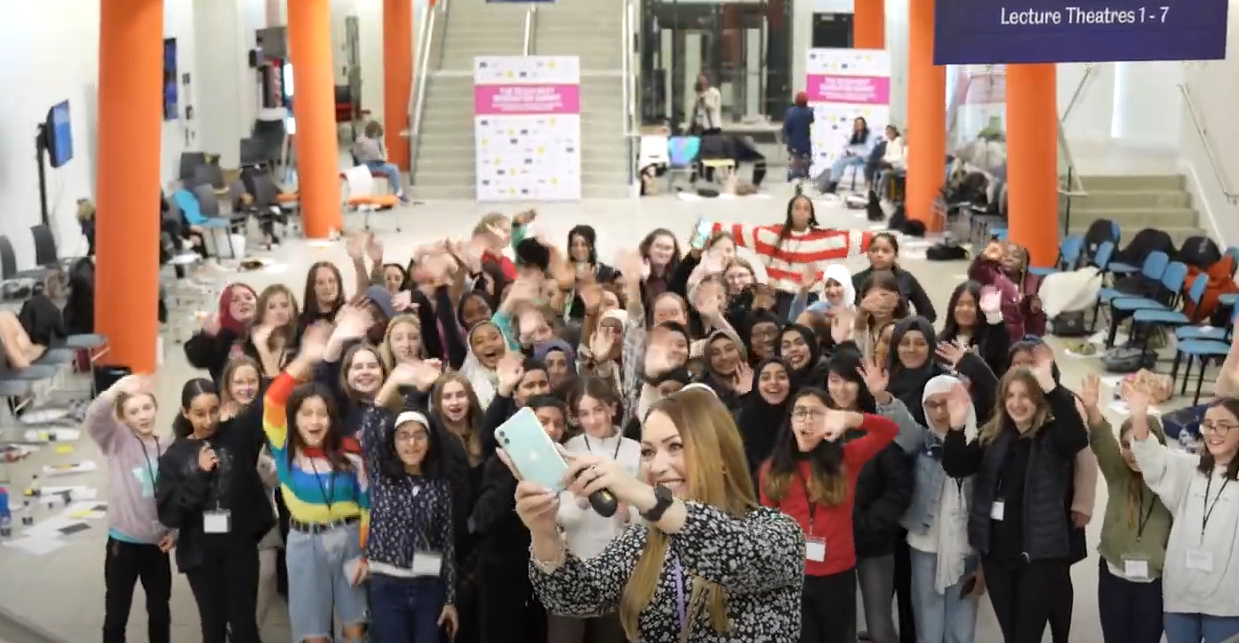
Entrepreneur mentorship in schools helps students explore careers and build confidence
Mentorship can change lives
While workshops can spark interest, long-term mentorship can create lasting change.
One example is Jess Smith, a young motorsport entrepreneur who has been mentored by Keeber for the past two years.
During that time, Smith has secured media coverage, appeared on BBC Radio, spoken at industry events, attracted sponsorship opportunities and built her own successful personal brand.
In addition, she has gained practical experience in networking, public speaking, marketing, business planning and media relations.
Many of these skills are difficult to learn in a traditional classroom environment. However, they are increasingly valuable in today’s economy.
Her journey highlights what can happen when young people gain access to knowledge, support and opportunities from people already working in industry.
A responsibility to pay it forward
Many successful entrepreneurs can point to a person who encouraged them, opened a door or helped them see a possibility they had not considered before.
For today’s generation, that opportunity often comes through school speakers, mentors and employer encounters.
Keeber believes more business owners should get involved.
“Many young people have never met a business owner, entrepreneur or someone working in the digital industry. If they can’t see it, it’s difficult to imagine it for themselves.
“My goal isn’t to tell students what they should become. It’s to show them that there are opportunities out there they may never have considered and that the skills they’re learning today can help them get there.”
As the world of work continues to evolve, the connection between education and entrepreneurship becomes increasingly important.
Schools provide the foundations.
Entrepreneurs provide the context.
Together, they can help young people build confidence, raise aspirations and better understand the opportunities available to them.
If we want to inspire the next generation of innovators, creators and business leaders, perhaps the missing link is not another curriculum change.
Perhaps it is simply getting more entrepreneurs into classrooms.