Today’s brides are rewriting the wedding playbook; blending tradition with creativity, luxury with DIY. They’re splurging on statement pieces while handcrafting personal touches that make celebrations uniquely theirs. The most memorable weddings aren’t the priciest or the most alternative; they’re the ones that feel genuinely authentic to the couple.
The Case for Couture
Let’s address the dress first, because for most brides it remains the single most important fashion decision of their lives. You’ll wear this garment for perhaps eight hours, photograph it extensively, and remember how you felt in it forever. The stakes are high, and the emotional weight is real.
Couture wedding gowns occupy a special category in bridal fashion. These aren’t mass-produced designs pulled from a rack – they’re crafted with exceptional attention to detail, premium materials, and construction techniques that create gowns which fit and photograph beautifully. The difference between a standard wedding dress and a couture piece becomes apparent the moment you put it on.
Fabric quality matters enormously in bridal wear. Couture gowns typically use silks, laces, and embellishments that drape and move differently than synthetic alternatives. The way light catches real silk versus polyester satin is subtle but significant in photographs. Hand-applied beading and embroidery create depth and texture that machine applications can’t replicate. These details justify the premium pricing for brides who prioritise exceptional craftsmanship.
Fit represents another critical distinction. Couture pieces are either made-to-measure or extensively altered to achieve perfect fit. Standard sizing rarely accommodates real bodies accurately, but couture construction allows for adjustments that create flattering silhouettes regardless of body type. A well-fitted gown makes you look and feel confident in ways that off-the-rack alternatives struggle to match.
The design options in couture bridal fashion have expanded dramatically too. Traditional white princess gowns remain available for brides who love classic styles, but contemporary couture offers everything from sleek minimalist sheaths to dramatic statement pieces with architectural elements. Designers are incorporating unexpected details – illusion panels, geometric cutouts, mixed textures, non-traditional colours – that give modern brides options that previous generations couldn’t access.
Shopping for couture requires different expectations than typical retail experiences. You’ll need multiple fittings over several months. Designs might need modification to achieve your vision. The process takes patience and planning, which is why most bridal consultants recommend starting your dress search 9-12 months before your wedding date. This timeline allows for design selection, production, fittings, and final alterations without last-minute stress.
Budget considerations for couture vary widely. Entry-level couture pieces start around several thousand pounds, while elaborate custom creations can climb significantly higher. Most brides find that allocating 10-15% of their total wedding budget to the dress feels proportionate, though this varies based on individual priorities and overall budget size.
For brides serious about exceptional bridal fashion, exploring options to shop couture wedding dresses from established designers provides access to the craftsmanship and design sophistication that makes these gowns special. The investment reflects not just the garment itself but the confidence and joy of wearing something truly exceptional on your wedding day.
The Rise of DIY Wedding Details
While couture fashion represents investment in perfection, DIY elements bring a completely different value to weddings – the satisfaction of creating something personal with your own hands. This isn’t about saving money (though it can), it’s about embedding your personality and effort into the celebration in ways purchased items simply can’t achieve.
The DIY wedding movement has matured considerably from its early days. Ten years ago, handmade wedding elements often looked amateurish unless you happened to possess professional-level craft skills. Today’s approach is more sophisticated – brides are creating fewer items but executing them at higher quality levels. The goal isn’t to handmake everything but to choose specific meaningful projects that add personal touches without overwhelming your schedule.
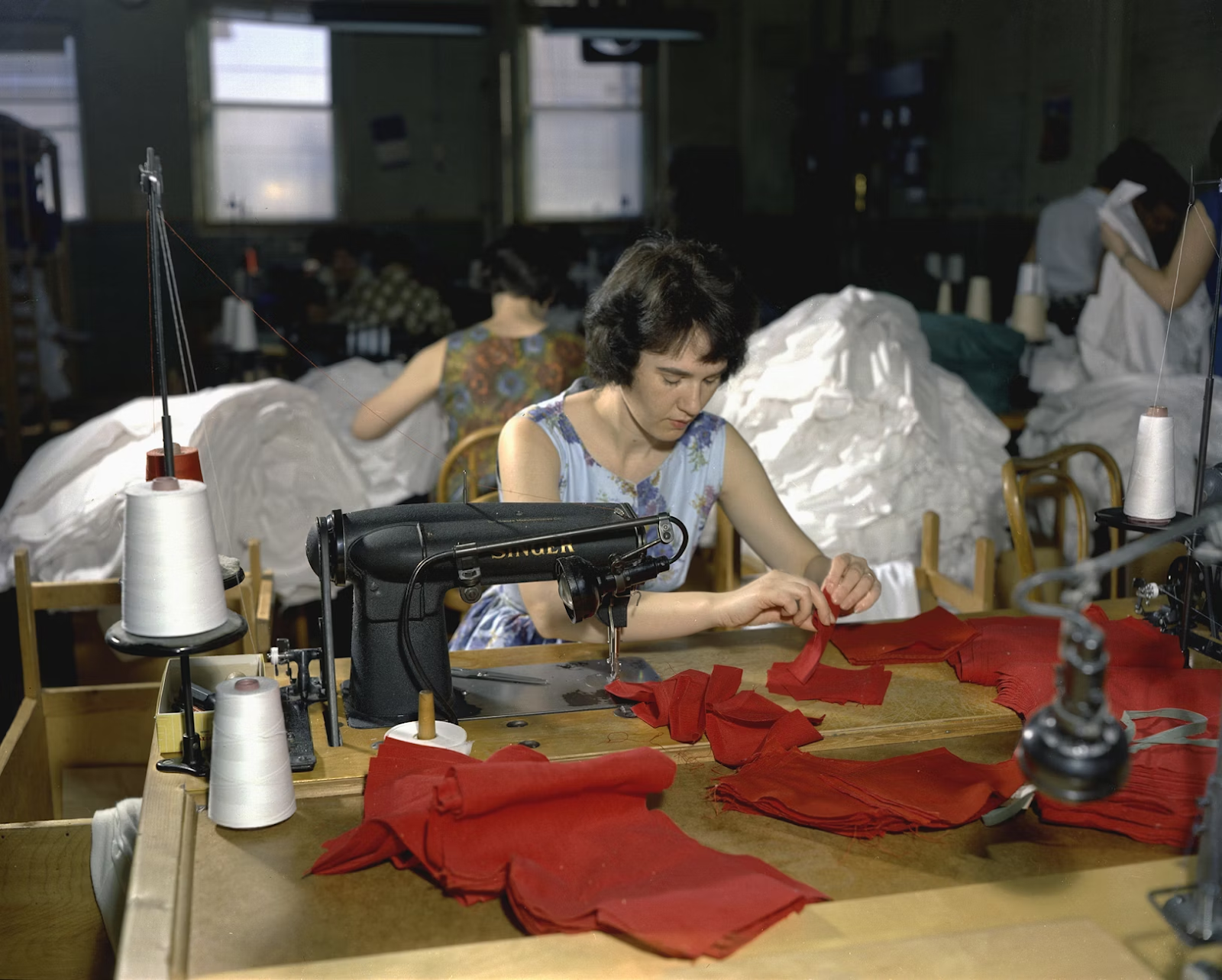
Fabric-based projects represent some of the most impactful DIY opportunities for weddings. Table runners, napkins, ring cushions, gift bags, bunting, aisle runners – these textile elements contribute significantly to wedding aesthetics while being genuinely achievable for crafters at various skill levels. The key is selecting quality materials that photograph well and withstand handling throughout the event.
Material selection makes or breaks DIY projects. Cheap fabrics look cheap regardless of how well you execute the project. This is where investing in premium craft fabrics pays dividends – the finished items look intentional and elegant rather than obviously homemade. Quality cottons, linens, and specialty prints create professional-looking results even when construction skills are basic.
Timing your DIY projects requires realistic planning. Underestimating the hours required for handcraft projects is the most common mistake brides make. A single table runner might take 2-3 hours once you account for cutting, pressing, sewing, and finishing. Multiply that by twelve tables and you’re looking at 30+ hours of work. Starting projects 6-9 months before the wedding and working steadily prevents the last-minute panic that ruins the enjoyment of creating.
Choosing projects strategically focuses effort where it creates the most impact. High-visibility items like table runners, welcome signs, or ceremony backdrops deliver more aesthetic value than labour-intensive favours that guests might not even take home. Think about what guests will see and photograph most, then concentrate your DIY efforts there.
Collaboration makes DIY projects more enjoyable and manageable. Hosting crafting sessions with bridesmaids, family members, or friends transforms solitary work into social events. These gatherings become part of the wedding memories themselves – the laughter, the shared effort, the inevitable mistakes that you’ll reference for years. Some of my fondest wedding memories involve chaotic craft sessions rather than the perfectly executed day itself.
Quality materials elevate DIY results substantially. For brides serious about fabric-based wedding projects, sources where you can buy Tilda fabric and similar premium craft fabrics provide the foundation for professional-looking handmade items. These higher-quality materials cost more than basic options but the visual difference in finished projects justifies the investment.
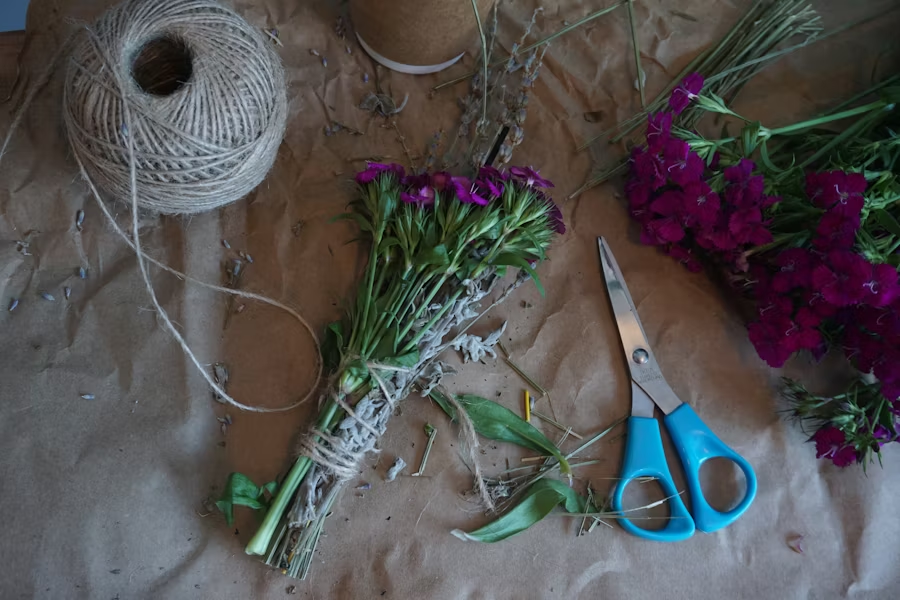
Finding Your Balance
The real art isn’t in choosing couture OR DIY – it’s in determining your personal mix of the two. This requires honest self-assessment about your priorities, skills, available time, and budget realities.
Start by identifying what truly matters to you. Some brides care intensely about fashion and feel that an extraordinary dress is essential. Others are passionate about crafts and find deep satisfaction in handmade elements. Neither approach is superior – they’re different value systems, and understanding yours guides every subsequent decision.
Budget allocation follows from priorities. If the dress matters most, allocate generously there while planning simpler purchased décor. If creating personal touches excites you, a beautiful but less expensive gown plus budget for quality craft supplies might feel more satisfying. The mistake is trying to maximise everything simultaneously and ending up stressed, overextended, and disappointed.
Skill assessment matters for DIY projects. Be honest about your crafting abilities and the time you realistically have available. Ambitious projects that exceed your skills create stress rather than satisfaction. It’s far better to execute a few simple projects beautifully than to start twelve complicated projects and finish none of them properly.
Time management becomes critical when balancing wedding planning with DIY projects. Most brides underestimate how much time planning itself requires – venue visits, vendor meetings, decision-making, family coordination. Adding substantial DIY commitments can overwhelm your schedule during what’s already a busy life period. Building realistic timelines with buffer room prevents last-minute crisis mode.
The Authentic Wedding
Ultimately, the couture-meets-DIY approach succeeds when it creates weddings that feel genuinely authentic. The goal isn’t to impress guests with either your budget or your craftiness – it’s to create an event that reflects who you actually are as individuals and as a couple.
Some couples naturally gravitate toward more purchased elegance with minimal DIY. Others embrace handmade elements enthusiastically while choosing simpler fashion. Most fall somewhere in the middle, making individual decisions based on what feels right for specific elements rather than following a predetermined philosophy.
The modern bride’s freedom lies in rejecting false binaries. You don’t have to choose between style and substance, investment and intimacy, elegance and authenticity. The most memorable weddings skilfully combine elements that matter to the couple, whether that’s a stunning designer gown paired with handcrafted décor, a simple dress with elaborate DIY details, or any other combination that reflects genuine priorities.
Your wedding should tell your story – the sophisticated fashion lover who also quilts on weekends, the creative soul who still appreciates luxury, the practical planner who splurges selectively on what matters most. The modern approach to weddings celebrates these complexities rather than forcing you into predetermined categories.
Trust yourself to know what combination feels right. After all, you’re the one who’ll remember not just how everything looked but how it felt to create something meaningful, wear something extraordinary, and celebrate surrounded by the details that mattered enough to invest time, money, or effort into getting them right.