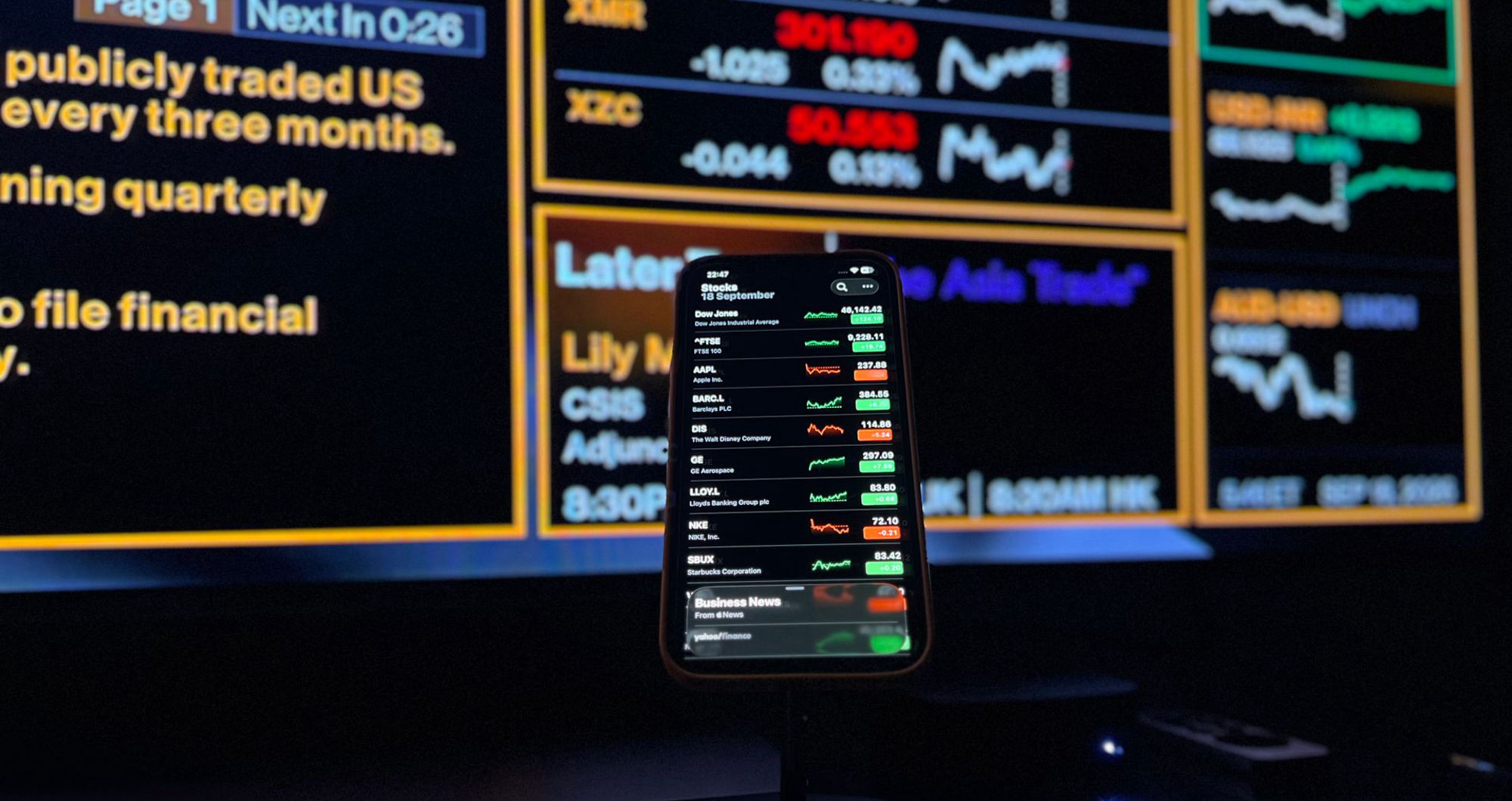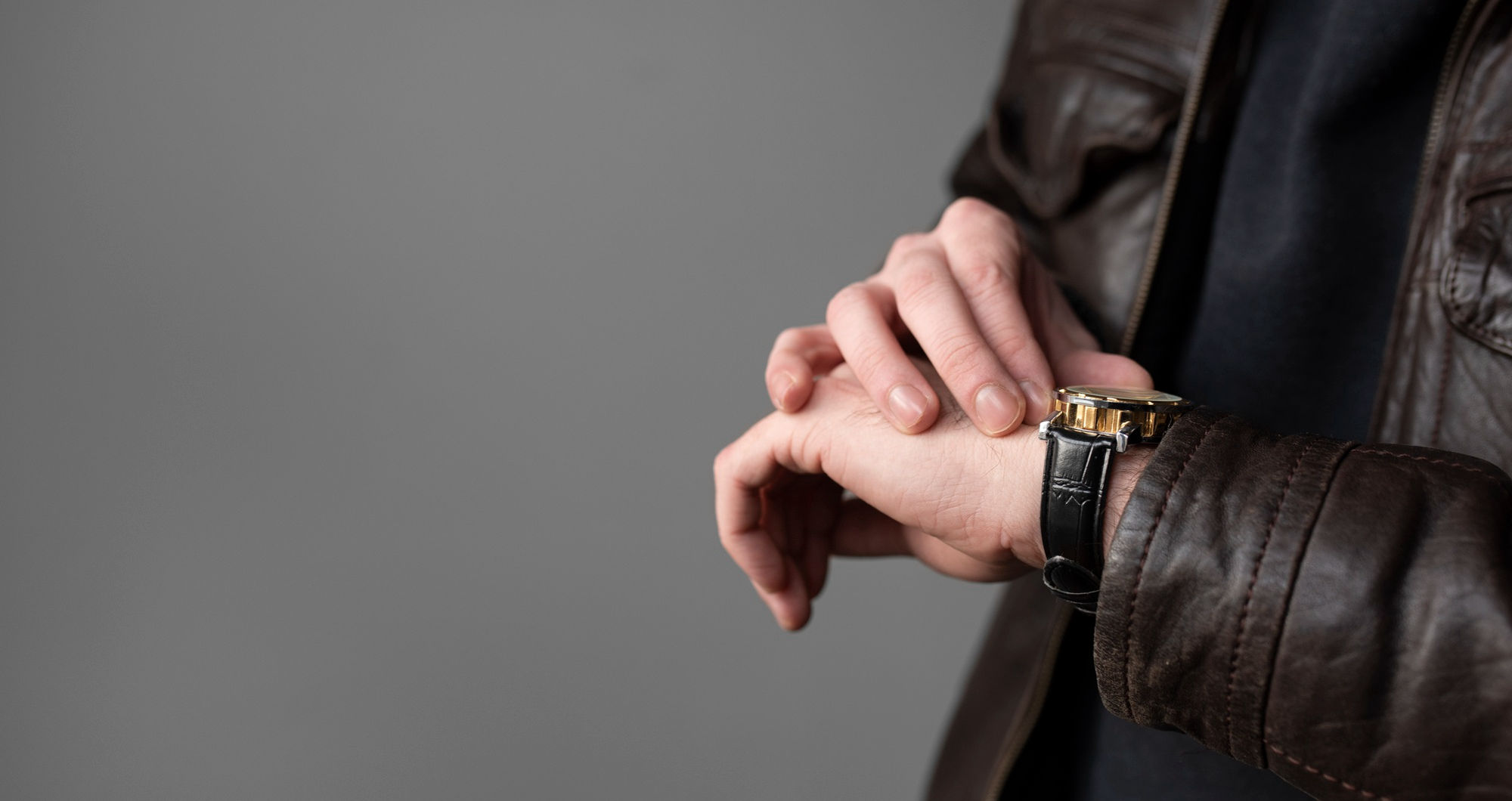

I have a phone that can basically run my whole life. It pays my bills, it wakes me up, it knows my heart rate better than I do, it can answer any question I throw at it in two seconds. And yet almost every morning I still pick up a watch and put it on my wrist before I even touch that phone. I used to think this was just a habit left over from childhood, something my dad did, something I copied without thinking about it. But the more I sat with it, the more I realised there’s actually something going on in my head every time I do this, and it has
nothing to do with telling time.
Because let’s be honest, nobody needs a watch to know what time it is anymore. That excuse died a long time ago. So if that’s not the reason, what is?
Here’s the thing about phones. You pick one up to check the time, and you never just check the time. There’s a notification sitting there, a message, a red dot pulling at you, and before you know it, five minutes are gone, and you don’t even remember what you originally picked the phone up for. It’s not your fault; that’s literally what the phone is built to do. It’s a door, not a tool. Every time you open it, you’re stepping into a hallway with a hundred other doors. A watch doesn’t do that. It gives you one thing and shuts up. You glance at it, you get your answer, your hand goes back down. There’s something weirdly relieving about an object that refuses to ask anything else of you. I think that’s a big part of why watches haven’t died even though every logical argument says they should have. We’re surrounded all day by things that are trying to grab our attention and keep it. A watch is one of maybe five objects in your life that doesn’t want anything from you. It just does its one job and lets you go.
Something You Can Actually Hold
Then there’s the feeling of the thing itself, which sounds small until you actually think about it. A watch has weight. It has a clasp that clicks shut. Some of them tick, some of them sweep silently, but either way there’s a small mechanical world happening on your wrist that you can’t get from tapping glass. Humans attach to physical objects in a completely different way than they attach to apps or icons. Nobody keeps their old phone in a drawer because it “meant something.” But people keep watches. They pass them down. A father gives his son a watch, and it becomes a whole story, not just an object. Try passing down an iPhone in twenty years and see how that goes.
And I think part of what a watch does is quietly say something about you without you saying a word. You put on a diver for the weekend, something rugged and a little beat up, and it says one thing. You put on something slim and simple for a dinner or a wedding, and it says something completely different. Same wrist, same person, different message depending on the day. I didn’t actually understand how deep this goes until I started reading up on watch types and realised how deliberately each style is built for a specific version of you, not just a specific outfit. Phones can’t do that. Everyone’s phone looks the same, does the same thing, sits in the same rectangle. It’s the most standardised object most of us own. A watch is one of the last things left where the choice is actually personal, where what you pick says something real about how you see yourself that day.
There’s also this small ritual thing that happens that I didn’t notice until I actually paid attention to it. Putting on a watch before you leave the house is this tiny two-second pause where you’re doing something with intention. Nobody does that with a phone. You don’t slide your phone into your pocket and feel like you just set an intention for the day. But there’s something about strapping a watch on that feels like closing a small ceremony before you walk out the door. Maybe that sounds dramatic for a piece of metal on your wrist, but I think that’s exactly why people are drawn back to it right now. We’re all a little exhausted by screens, by things buzzing and updating and demanding response. A watch doesn’t update. It just sits there being exactly what it was yesterday, and there’s a kind of calm in that which I don’t think people talk about enough.
Phones are also built to die, basically. Not literally, but you know in the back of your mind that in two years there’s going to be a new one and this one will feel old and slow even if it still works fine. A good watch is the opposite of that entirely. It’s built with the assumption that it will outlive you. That’s such a strange thing to sit with when you actually think about it, an object designed with the expectation that someone else will be wearing it after you’re gone. There’s a comfort in owning something that isn’t quietly asking to be replaced. Nothing else in your life really works that way anymore. I’ll be honest about something a little funny too. I still spend way too much time scrolling through watch listings on my own phone. Late at night, half asleep, just looking at dials and case sizes and bezels I probably don’t need to be looking at. There’s something almost ironic about using the device that replaced the watch to go find inspiration for the watches I want to collect. But I think that says something about what collecting actually is. It was never really about needing another way to tell time. It’s about the hunt, about noticing small details other people wouldn’t notice, about slowly building a little personal story out of objects you chose one by one. The dopamine hit of finding a piece you didn’t know you wanted is honestly not that different from the scroll itself, except at the end of it you get something you can actually hold instead of just another few seconds of your attention gone.
It’s Not Just Sentiment
And this isn’t just me being sentimental about an old-fashioned object either. The watch industry hasn’t been shrinking in some quiet decline the way you’d expect if this was really just nostalgia. People are still buying, still collecting, still passing pieces between generations, even while carrying phones that objectively do more than any watch ever could. That tells you these two things were never actually competing in the first place. They’re not fighting over the same job. The phone is there to do everything. The watch is there to do one thing, and do it in a way that feels like yours.
So yeah, I’ll keep checking watch listings on my phone at midnight, and I’ll keep strapping one onto my wrist most mornings anyway, even though the thing in my pocket could tell me the time faster. Because somewhere along the way it stopped being about the time at all.
Feature Image by magnific