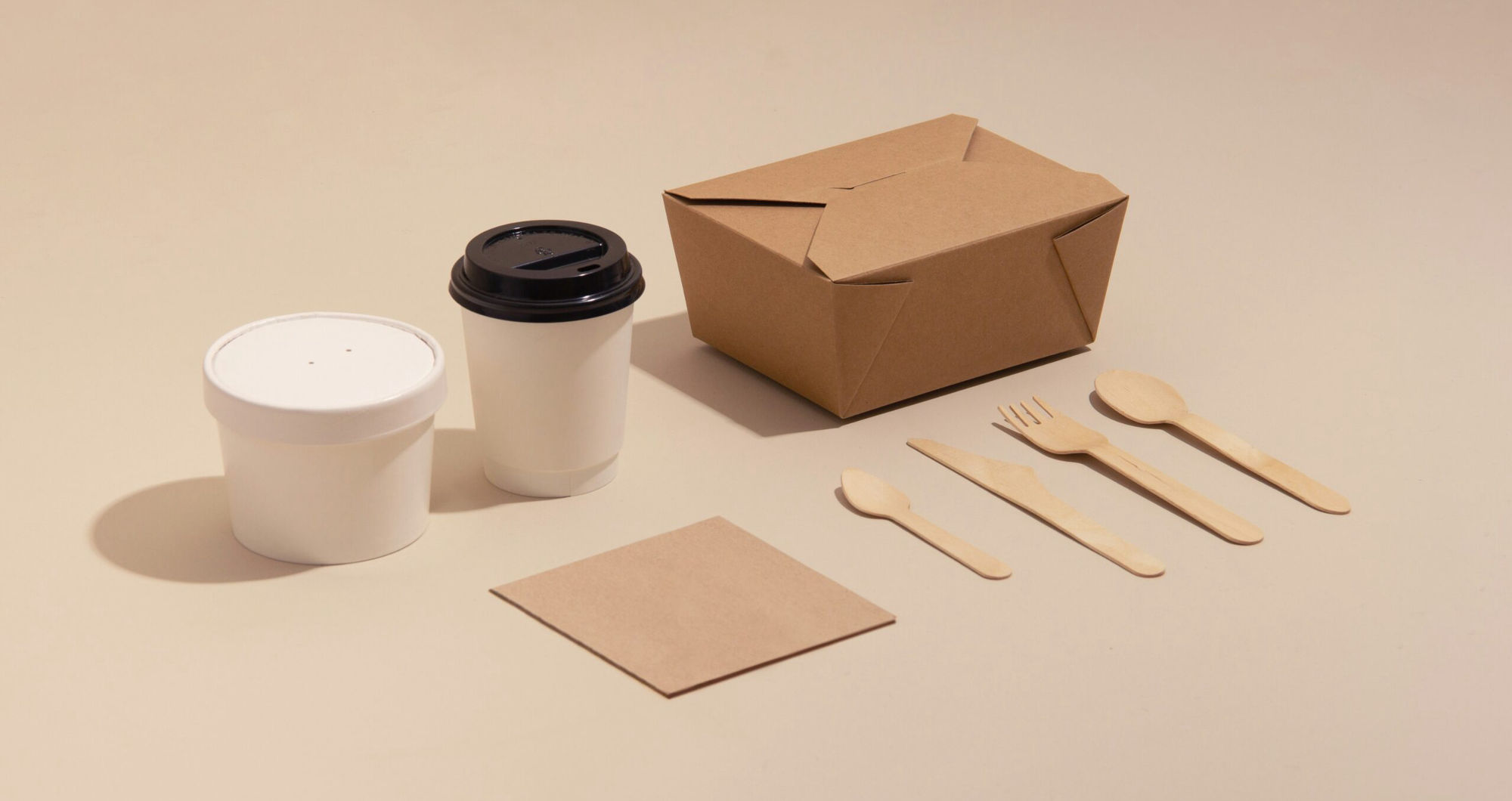

Across the UK and beyond, sustainability has moved from buzzword to business imperative. The food service and hospitality sectors, in particular, are rethinking their relationship with single-use plastics. From takeaway shops in London to catering services across Europe, a quiet revolution is unfolding — one that replaces disposable plastic with renewable, biodegradable alternatives.
Among the companies shaping this shift is Ancheng, a global manufacturer developing eco-conscious packaging and tableware designed to help businesses meet the growing demand for sustainable solutions.
Why Eco-Friendly Packaging Is Becoming a Business Essential
UK regulations restricting single-use plastics — from cutlery and plates to food containers — have accelerated a market-wide transition toward greener packaging. But legislation isn’t the only driver.
Consumers themselves are making conscious choices. Surveys show that diners prefer restaurants and food retailers that use sustainable packaging, associating it with higher quality, transparency, and environmental responsibility.
For UK-based businesses, this shift represents both a challenge and an opportunity: balancing cost efficiency with compliance and brand reputation. Eco-friendly containers now play a key role in that equation.
The Evolution of Clamshell Containers
One of the most visible changes in food packaging has been the rise of the biodegradable clamshell container — a versatile, hinged design used for burgers, wraps, salads, and takeaways.
Unlike traditional plastic boxes, modern clamshell container wholesale options are made from plant-based fibres such as sugarcane bagasse or bamboo pulp. These materials are renewable, compostable, and perform exceptionally well in real-world conditions — resisting leaks, maintaining heat, and stacking efficiently for delivery or takeaway.
As more UK businesses adopt these containers, they find the benefits extend beyond compliance. Sustainable packaging communicates brand ethics, appeals to environmentally aware customers, and strengthens local market credibility.
Manufacturing Innovation Behind Sustainable Tableware
The move toward sustainability isn’t only about material choice — it’s about how those materials are processed. Manufacturers are investing in cleaner, energy-efficient production systems to minimise carbon emissions and water usage.
Ancheng, for example, integrates advanced moulding technologies to produce consistent, high-strength containers without chemical coatings or plastic additives. This ensures food safety, durability, and compostability while reducing industrial waste.
Such innovation supports a broader circular economy: renewable raw materials are transformed into everyday products that can return safely to the environment after use.
Meeting the Needs of Modern Food Businesses
For restaurants, cafes, and caterers in the UK, packaging is no longer a background consideration — it’s part of the brand experience. Customers judge sustainability as seriously as taste or service.
Biodegradable clamshell containers have become a preferred choice across multiple segments:
- Quick-service restaurants: Packaging that retains heat and prevents leaks.
- Delivery platforms and ghost kitchens: Lightweight, stackable containers that travel well.
- Catering and events: Compostable materials aligned with green initiatives.
- Meal prep companies: Containers that perform across refrigeration and reheating cycles.
The versatility and quality of fibre-based packaging make it easier for food operators to transition without sacrificing functionality or presentation.
Balancing Cost and Sustainability
While eco-friendly packaging may carry higher upfront costs, long-term benefits often outweigh them. Businesses can enhance brand perception, meet environmental standards, and appeal to new customer segments. Additionally, economies of scale and technological advancements are making biodegradable options more accessible than ever.
UK buyers are also exploring supplier partnerships that offer flexible order quantities and custom branding — enabling smaller businesses to align with sustainability goals without financial strain.
Looking Ahead: The Future of Food Packaging
The future of sustainable packaging lies in continuous innovation. Advancements in bio-based materials, compostable coatings, and smart labelling are creating next-generation solutions that combine performance with environmental responsibility.
As sustainability becomes embedded in consumer expectations and government policy, eco-friendly packaging is no longer a niche — it’s the new normal. Businesses that adapt early are positioning themselves for long-term resilience in a changing marketplace.
Final Thoughts
The transformation of food packaging is reshaping industries worldwide — and the UK stands at the forefront of this change. From local takeaways in London to international distributors, the commitment to sustainability is redefining how products are made, delivered, and consumed.
Through innovation and responsible manufacturing, companies like Ancheng are helping businesses transition smoothly toward biodegradable, high-quality packaging solutions that align with modern environmental standards.
In the years ahead, sustainable tableware and packaging won’t just be a trend — they’ll be the foundation of a cleaner, more responsible global economy.