

London logistics startup PORT has raised €14.5m to develop AI-powered autonomous delivery robots, using data gathered through its existing courier network to help train a system for navigating real streets.
The funding round was led by the European Bank for Reconstruction and Development and Balnord, with new and existing investors taking part. It brings PORT’s total investment to €29m following earlier pre-seed and seed funding.
Founded in 2020 by chief executive Kamil Suda, the company already operates an e-bike subscription and charging business serving more than 50,000 couriers. Its move into robotics builds on that operation, rather than starting with a fleet of autonomous vehicles. The robot programme is at the development stage, not commercial deployment.
Learning from courier journeys
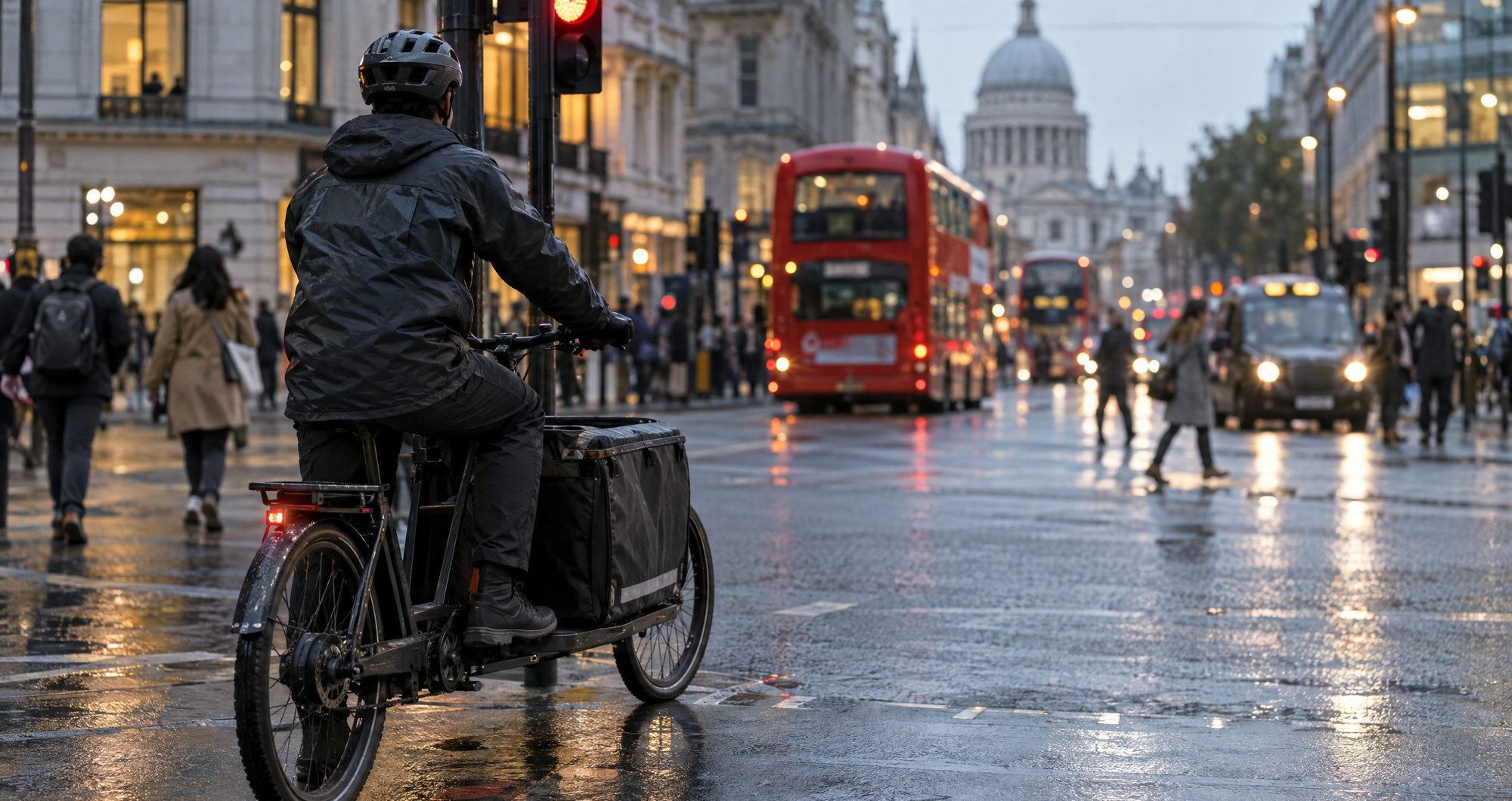
PORT operates 24 microhubs across London, Manchester and Birmingham and runs a 3,500-strong e-bike fleet. Some of those bikes now carry Nvidia-powered cameras and lidar, collecting information during real delivery journeys.
The equipment captures the conditions couriers encounter, including kerbs, cyclists, drop-off points and unusual situations. These details matter for autonomous delivery because travelling along a street is only part of the task. A robot also needs to interpret its surroundings and handle the approach to a delivery destination.
Lidar uses light to measure distances, complementing the visual information recorded by cameras. Together, these types of sensors can provide material for training systems to recognise objects and understand the space around them. Collecting that material on working courier bikes ties PORT’s development effort to actual delivery routes.
Footage uploads automatically when the bikes return to the hubs and is used to train what PORT calls its AI Driver. The hubs therefore have a role beyond supporting e-bike subscriptions and charging: they also provide collection points for the information feeding the robotics programme.
Infrastructure before robots
Suda said robotised logistics “does not start with the robot”, but with the infrastructure, operations and data needed to make robotics work in the real world. PORT’s approach puts its existing delivery support network at the centre of that process.
For London, the connection is practical. The capital is already part of the company’s microhub network, making its courier operations a foundation for the development work. The new funding is intended to build autonomous delivery technology on top of that business, rather than replace it with a commercially deployed robot service at this stage.
The distinction matters because gathering training data and operating an autonomous delivery service are different activities. Recorded journeys can help developers understand street conditions, but they do not by themselves establish that a robot can complete deliveries safely and reliably. That remains a task for development and testing.
Using an established network could offer a less costly route into robotics than building an autonomous fleet from scratch. PORT already has bikes travelling delivery routes and hubs where their footage can be uploaded. Any cost advantage, however, remains a possibility rather than a demonstrated outcome of the funding round.
A development-stage investment
The investment backs a model in which everyday courier activity generates material for a future autonomous system. Its significance lies in that connection between an existing urban logistics business and the data required to develop robotics, not in a launch of delivery robots on London’s streets.
Separately, Aurrigo has won up to £100,000 from the Freight Innovation Fund to trial an autonomous shuttle at Portsmouth International Port. That project concerns a port shuttle trial, rather than PORT’s courier-data approach to developing delivery robots. The two projects involve different operating settings and are at different procedural stages.
For PORT, the next step is developing the autonomous delivery technology supported by the new capital and its continuing collection of street-level data. Whether that approach can translate into a practical commercial robot service remains unresolved. For now, the company’s working courier network is the starting point for that effort, not evidence that autonomous deliveries have begun.







