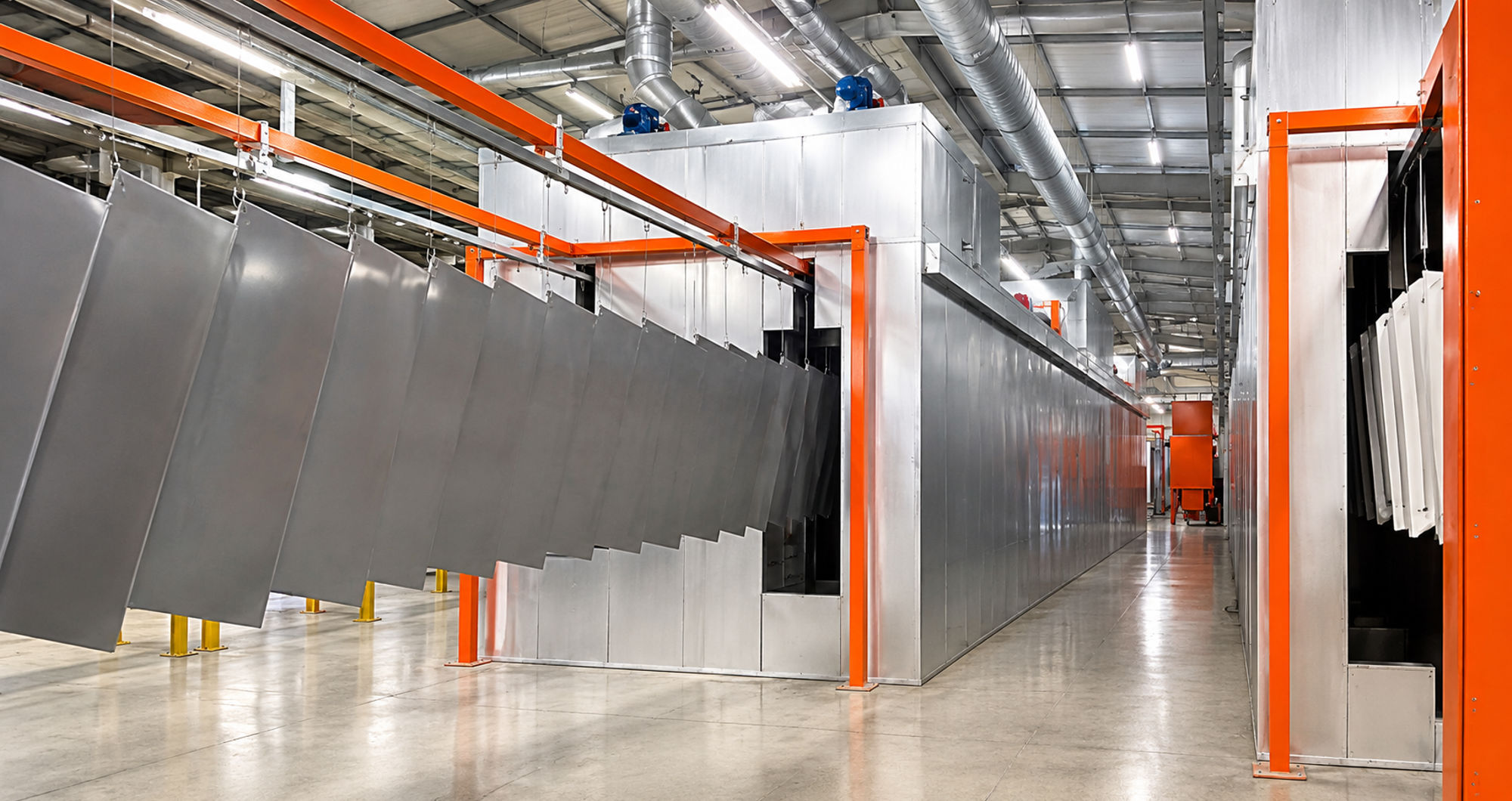

Factory ovens don’t often make the news, and that’s largely the point. Across the UK, thousands of heating chambers run every day to cure coatings, dry components and bake finishes onto manufactured goods. When they’re built and maintained properly, nothing happens. When they aren’t, the consequences can be severe.
That gap between uneventful and serious is why safety engineering has become such a prominent part of how industrial ovens are specified and built. For plant managers and health and safety officers, understanding what those features do is a useful starting point for any conversation about equipment.
Why Heat Processes Carry Risk
The hazards are fairly straightforward. Heated chambers can contain flammable solvent vapours, gas burners introduce combustion, and high temperatures put stress on electrical and mechanical components. People also need to load and unload products, which means they’re working close to hot surfaces and heavy doors.
Good design doesn’t rely on a single safeguard. It layers several, so that if one fails, another steps in.
Clearing Fumes Before Ignition
One of the most important features is the purge cycle. Before heaters switch on, the fans run to evacuate any solvent or gas fumes that may have built up. Only when the chamber is clear does the heating sequence begin. At the end of a shift, a controlled cooling sequence lets the fans bring the heaters down gradually before everything shuts off.
It sounds like a small thing, but it removes a major source of risk from start-up, which is the moment when accumulated vapour is most dangerous.
Protection That Works Independently
Another principle is independence. An over-temperature sensor placed in the heater box and wired to its own controller operates separately from the main control system. If temperatures exceed design limits, the heaters shut down and the oven switches to a fast cool-down mode, even if the primary controls have failed.
Airflow is monitored in the same way. If recirculation fans aren’t moving enough air, the heaters are switched off. If a fan motor is overloaded, the whole oven stops. Because these checks don’t depend on one another, a single fault is less likely to escalate.
Designed to Vent
Explosion relief is built into the structure itself. Much of the roof area is made up of panels engineered to disintegrate and vent to the atmosphere if an explosion occurs. Directing pressure upwards and away from people is far safer than letting it build until the casing fails.
Reputable manufacturers design these systems to meet, and ideally exceed, British and European requirements.
Training completes the picture. Even well-designed safeguards can be undermined by operators who don’t know what they’re for, so induction and refresher sessions on alarms, emergency release points and shutdown procedures should be treated as part of the equipment, not an optional extra.
Protecting the People Who Use Them
Door safety is another area where design makes a difference. Box ovens can include an internal safety handle so nobody can be trapped inside. Powered doors may carry a geared brake motor, a secondary shaft brake, twin lifting chains and an internal pull-wire switch, along with emergency kick-out panels.
Outer surfaces matter too. Separating the inner and outer skins of the oven and mounting doors on external frames keeps heat transfer to the outside down, which reduces the risk of burns for anyone working nearby.
Controls That Show What’s Happening
Modern control panels give operators a real-time view of the oven’s condition. Screens can display burner lockout, temperature deviation, over-temperature status, thermocouple readings, fan and pump status and cooling or timer progress. Audible alarms flag problems straight away, so an issue is spotted while it’s still small.
Programmable timers add another layer. Automatic daily and weekly schedules and stepped ramp functions reduce the chance of someone forgetting a step, which is one of the most common causes of avoidable incidents.
Maintenance and Inspection
Safety systems only protect people if they keep working. Sensors drift, seals wear and door mechanisms loosen over time, so regular inspection and testing of protection devices should be part of any maintenance plan. Records of checks give managers evidence that systems have been tested, and they help engineers spot patterns before they become failures.
Many sites also build in periodic reviews, particularly after process changes. A new coating, a heavier product or a change of fuel can alter how an oven behaves, and the original safety assumptions may need revisiting.
Competence and Accreditation
Equipment is only part of the picture. Installation and servicing need to be carried out by competent people, and gas-fired plants must be worked on by Gas Safe registered engineers. Contractor schemes such as CHAS and recognised quality certifications give buyers a way to check a supplier’s credentials before work starts.
What Businesses Should Ask
Anyone buying or maintaining thermal equipment can start with a few simple questions. Does the oven have independent over-temperature protection? Is there a purge cycle? How is explosion relief handled? What happens if a fan fails? The answers say a lot about how seriously safety has been treated at the design stage.